
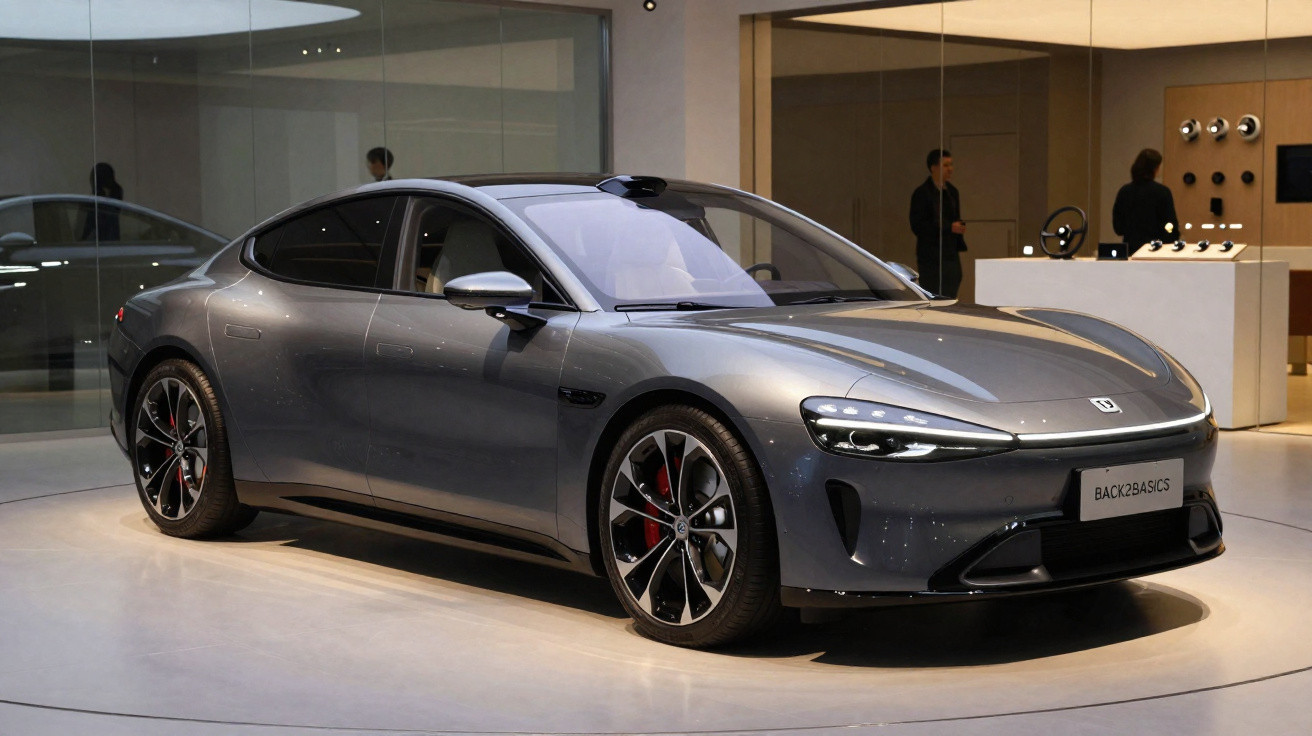
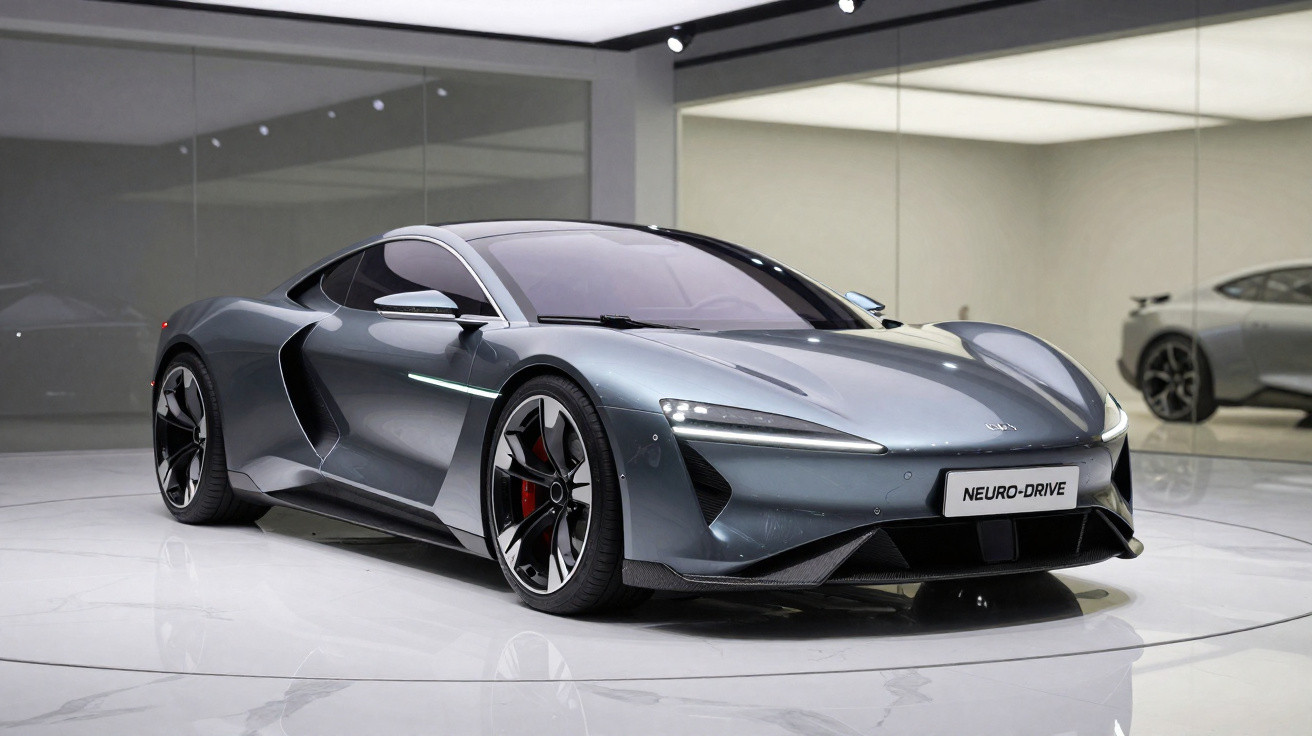
For years, car design seemed to move in only one direction: more touchscreens, more driver assistance, more electric. Any brand that hesitated was labelled behind the times. Now the mood is changing. Safety requirements, customer irritation and rising costs are steering the industry towards a new version of the old approach: back to physical controls, back towards the internal combustion engine - and away from the overdone tech showcar that is supposed to cope with everyday commuting.
From a tablet on wheels back to a classic cockpit
Recently, almost every new model arrived with an oversized central display, often at the expense of traditional switches. Heating, ventilation and heated seats ended up buried in sub-menus. For many drivers, that has felt more like hassle than progress.
"The era of fully digitised cockpits without buttons is coming to an end – safety tests are forcing a rethink."
Euro NCAP, the body behind the well-known crash tests and star ratings, has introduced updated criteria: manufacturers chasing the coveted five stars will, in future, need to provide a certain number of physical buttons for key functions.
The reasoning is straightforward. Poking around on a touchscreen menu keeps your eyes off the road for longer, which increases the risk of a collision. Studies indicate that simple rotary controls and buttons can be operated by feel - a quick hand movement, a click, and your gaze stays ahead. That is exactly the direction the safety ratings are pushing car makers back towards.
Why many drivers have had enough of touch
Car buyers are increasingly voicing the same frustrations:
- Heating can only be adjusted through layered, nested menus
- Touch panels respond slowly, or register the wrong input when the car jolts
- Mirrors, drive modes and assistance systems are hidden away in sub-menus
- Glossy screens dazzle in sunshine and, at night, can feel like an illuminated advert
Some brands still like to showcase elaborate interior light displays, but a quieter counter-trend is gathering pace: simpler dashboards, classic instruments and clearly separated control clusters. A number of premium manufacturers are pairing small round dials with steering-wheel buttons to strike a workable balance between “modern” and “easy to use”.
Diesel is making a comeback – against all forecasts
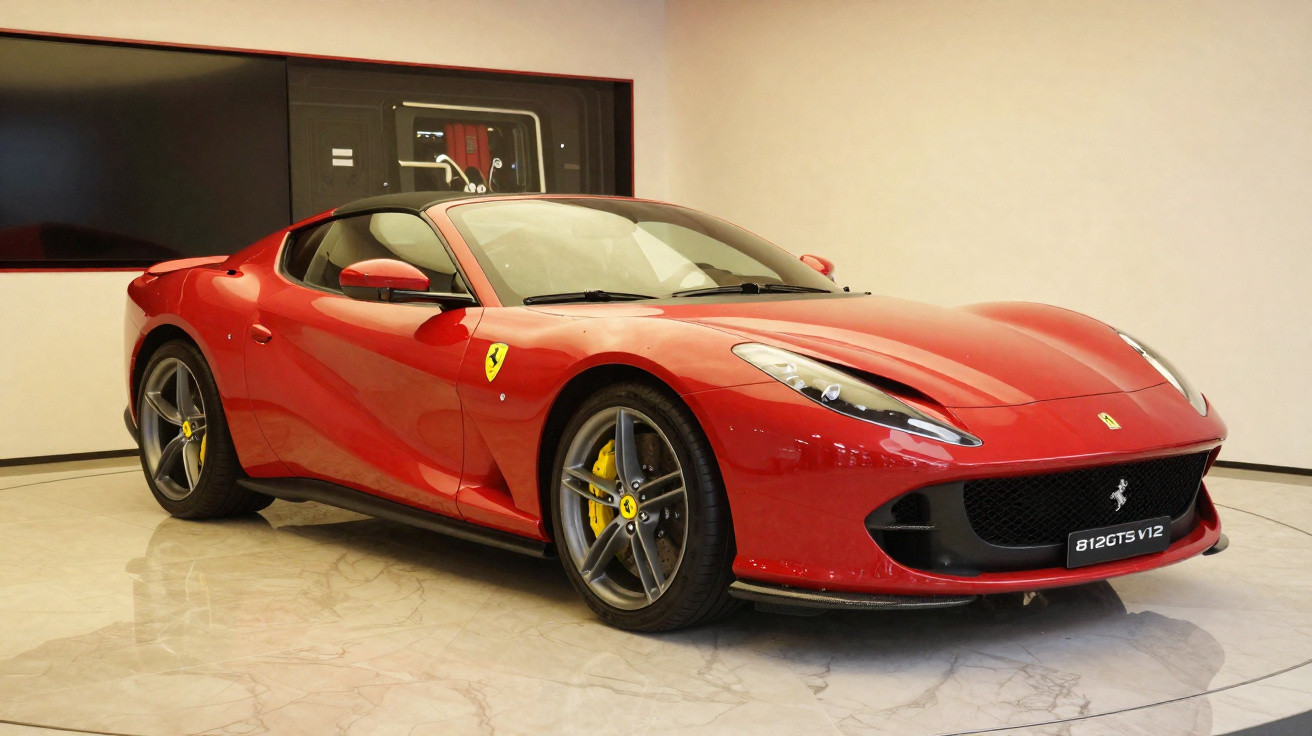
A shift is also visible under the bonnet. While many groups only recently declared their intention to move entirely to electric platforms, one major alliance in particular is now stepping back from a hard-line electric-only strategy and strengthening its diesel offering for private customers.
At first glance, that sounds like a retreat to yesterday’s thinking. In practice, it reflects a cold calculation: in many areas there still aren’t enough rapid chargers, electricity prices fluctuate, and commuters want range without having to plan every journey around charging.
"For many customers, diesel is still seen as the king of range – and a predictable long-distance solution."
Pressure from climate targets and emissions limits remains intense, but the previously very strict timetable for internal combustion bans in Europe has eased slightly. Manufacturers are using that window to invest again in modern, compliant diesel powertrains - not as a forever solution, but as a bridge to keep the next few years profitable and genuinely usable day to day.
Electric platforms are being retrofitted
Another notable trend is emerging: manufacturers that developed pure electric platforms are starting to “hybridise” them after the fact. One example is fitting what is essentially a small internal combustion engine as a range extender into vehicles that were designed to be battery-electric.
The concept is simple. The car runs on electricity for everyday driving, but on longer trips a compact engine starts up to charge the battery. Instead of plugging in at every opportunity, the driver can refuel with conventional fuel when needed. The all-electric ideal gives way to a pragmatic mixed mode.
The end of show effects: hidden door handles, huge wheels, tiny windows
The industry’s about-turn isn’t limited to powertrains and displays; it is also reshaping design. Flush, pop-out door handles were marketed for years as a signature detail of modern electric vehicles - futuristic, and slightly more aerodynamic. Several manufacturers are now moving away from them.
Reasons include:
- Issues in frost, snow and dirt
- More complex mechanisms, higher costs and greater susceptibility to faults
- Emergency services having more difficulty accessing doors in a serious incident
The result is a return to traditional, easy-to-grip handles. Plain, visible and robust - with a clear advantage in emergencies.
Designers are also reassessing other recent fashion statements: very small window areas, gigantic wheels and extremely sharp, angular lines. In real use, visibility suffers, comfort declines, and tyres become both pricier and more vulnerable. Some brands are already discussing more glass area, more moderate wheel sizes and less aggressive styling.
Monospace, small cars, simple technology: old ideas, a new opportunity
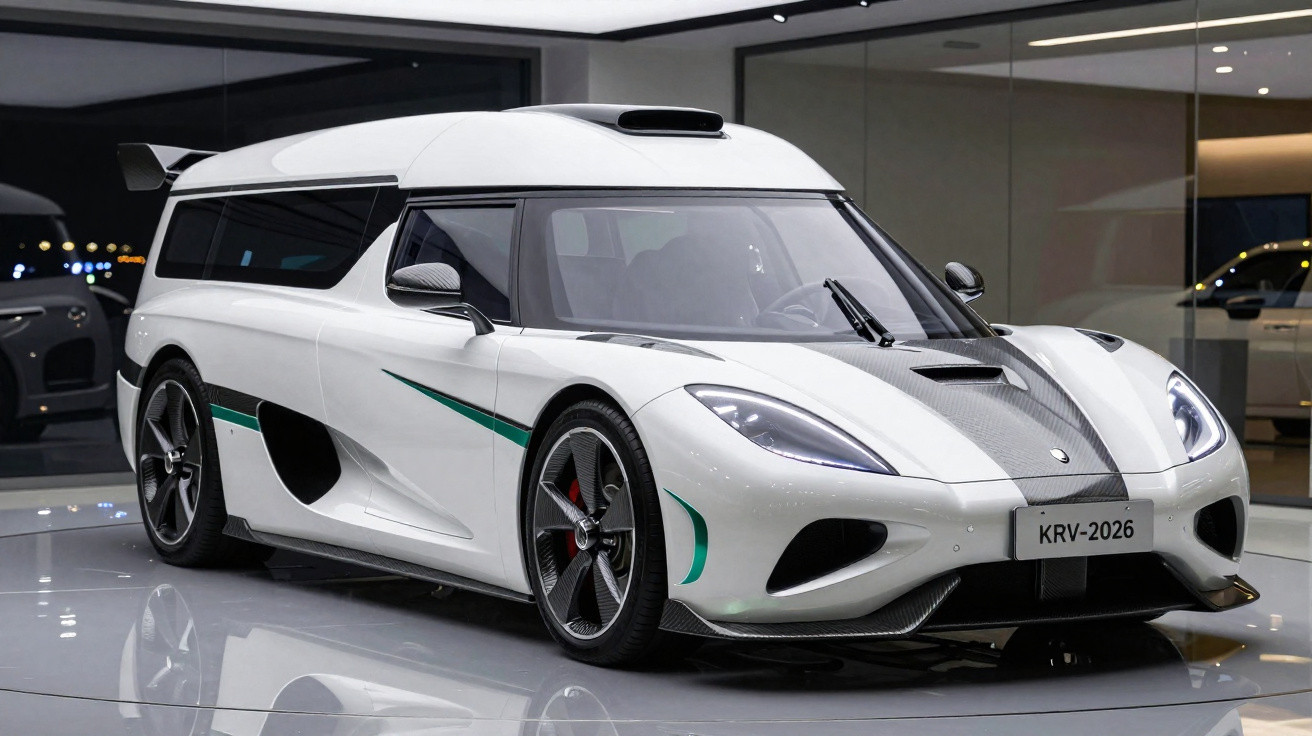
At the same time, a vehicle type many had written off is reappearing: the classic van - or compact MPV. A family favourite in the 1990s and later pushed aside by SUVs, this space-efficient format is being given another shot.
The reason is obvious. Anyone transporting children, pushchairs, bicycles or older passengers values low load lips, wide doors and generous headroom. SUVs may look tougher, but they are often less practical in everyday life. Manufacturers are now trialling modernised space concepts that feel closer to earlier vans than to tall, off-road-styled vehicles.
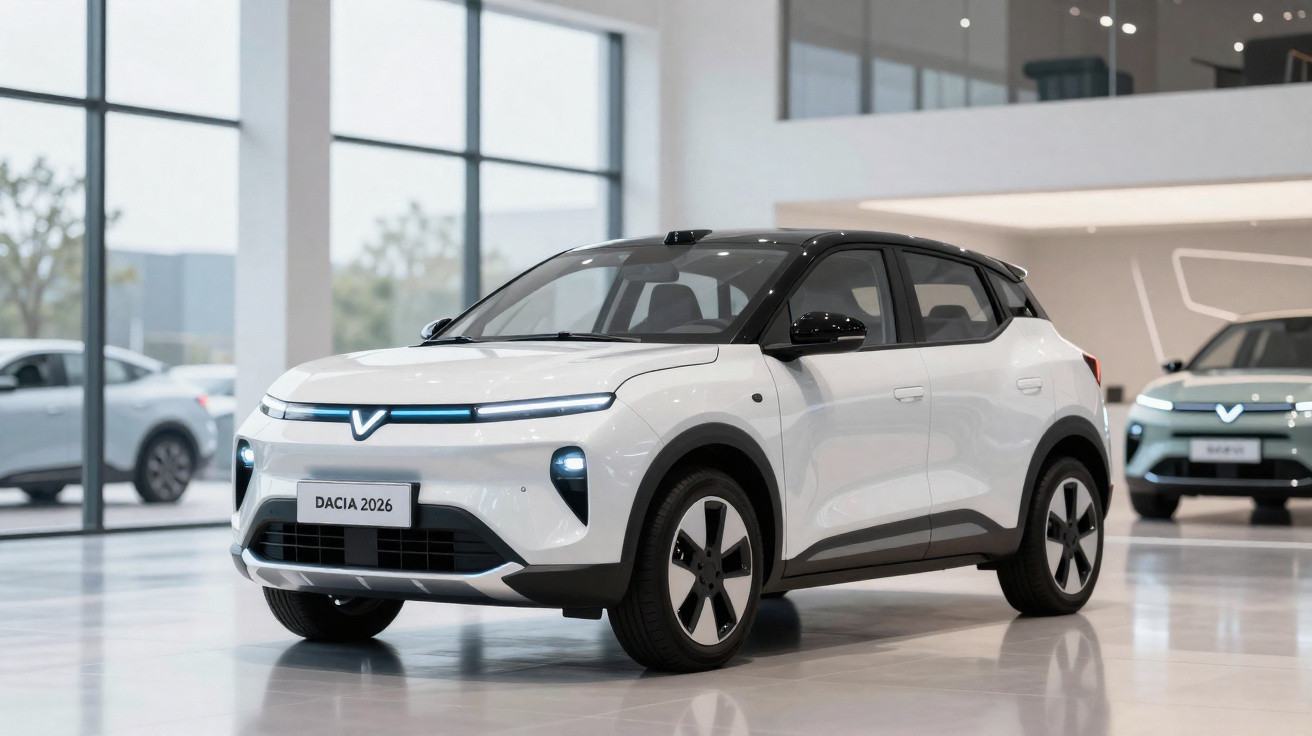
Another area seeing renewed interest is the deliberately simple city car. Inspired by minimalist microcars in parts of Asia, concepts are emerging for compact Citycars with lighter requirements, fewer assistance systems and manageable levels of technology. No XXL screens, no sprawling menus - instead a lower entry price and controls that don’t add stress.
Fewer gimmicks, more usefulness
More decision-makers in development teams are recognising that the average driver does not want a rolling technology laboratory; they want a car that works simply and reliably. Many assistance systems, after a brief novelty phase, get switched off in the menus because they irritate or are not self-explanatory.
As a result, some brands are planning more clearly separated trim levels:
- Base models with limited, easy-to-understand technology
- Mid-range versions with selected comfort features
- Top trims with the full package for technology enthusiasts
The goal is to avoid forcing every customer into the same digital cage. If someone prefers simplicity, they should be able to choose a suitably straightforward car - without feeling as though they have bought something outdated.
High-tech remains – just less visible
Despite the renewed focus on buttons, visibility and practicality, the hidden technology continues to advance quickly. Driver assistance, connectivity and control units are all becoming more complex, even if the cockpit itself looks cleaner.
"The next big step is autonomous driving, but the path there isn’t straight - it comes in stages, with pauses and reversals."
Manufacturers are trialling semi-autonomous functions on motorway sections, in closed areas and within defined urban zones. At the same time, they are withdrawing features that proved too confusing in real-world use or too legally sensitive. The outcome is a zig-zag of pilot projects, rollbacks and fresh attempts.
For drivers, that means the car of tomorrow may feel more conservative than yesterday’s showcar - while still packing far more computing power behind the scenes. The challenge is to present that capability in a way that does not constantly shout: “Interact with me!”
What this trend means for drivers in everyday life
Anyone buying a car over the next few years should look more closely at how manufacturers handle the trade-offs. A few practical checks when choosing:
- Can you adjust heating, ventilation and volume with a button, or only via touch?
- How large is the glass area - do you genuinely have enough visibility when parking?
- Does the manufacturer still offer efficient internal combustion options or range extenders if chargers are scarce?
- How many assistance systems can be switched off permanently and easily?
Diesel in particular, despite the debate around it, deserves a careful look at test figures, exhaust aftertreatment and whether it suits the intended use. If you cover long distances every day and have little charging infrastructure, modern diesel technology can still make sense. If you mainly drive in town, a small electric car or a hybrid is often more relaxed and locally emissions-free.
Terms such as “range extender” or “mild hybrid” can sound overly technical, but they describe fairly straightforward ideas: either a small engine charges the battery, or it briefly supports the drivetrain to reduce fuel use. The key point is clarity - and here too, pressure is rising for fewer marketing buzzwords and more plain explanations.
The current change of direction shows that showy tech alone is not enough in a car. From the driver’s seat, people want control, visibility and a vehicle that feels logical. That is where many manufacturers are now heading back to - step by step, button by button.
Comments
No comments yet. Be the first to comment!
Leave a Comment