
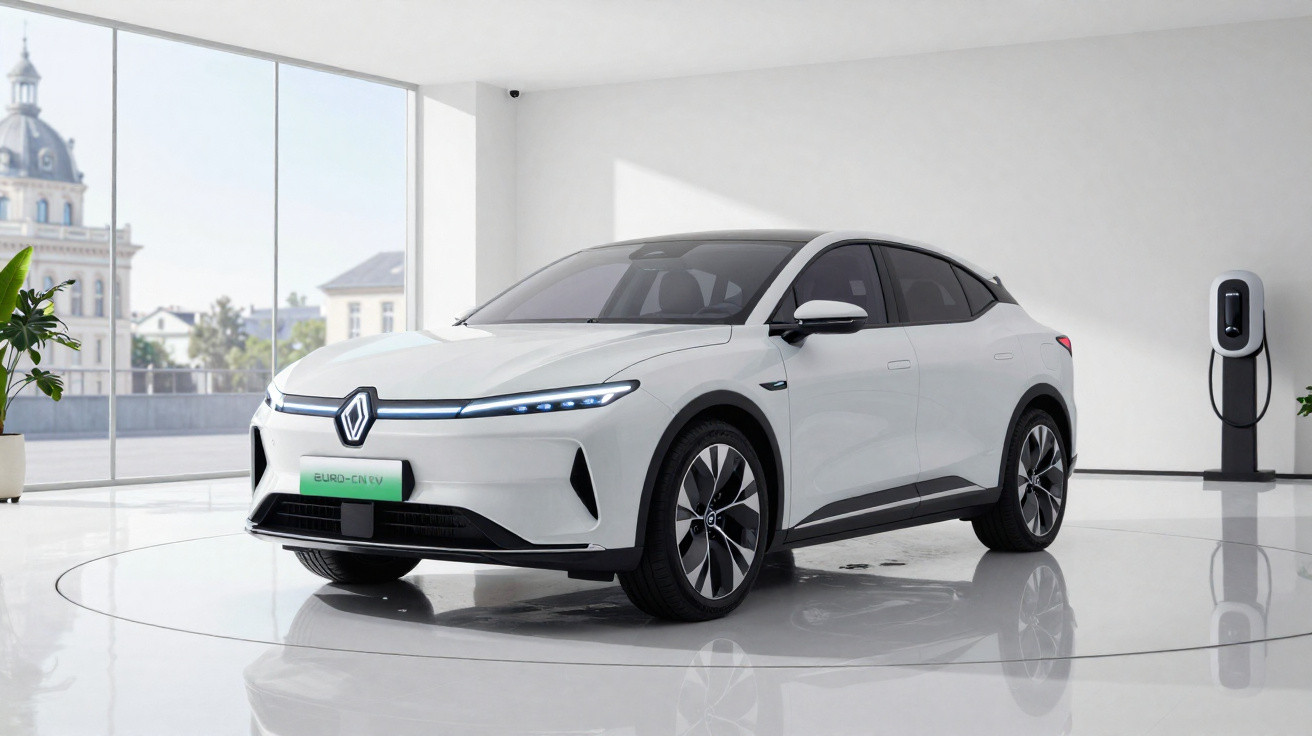
The idea of the Renault Group building Chinese cars in Europe is no longer entirely off the table. Although François Provost, the group’s Chief Executive, insists Renault does not need to open its plants to Chinese manufacturers, he told Autocar that it could happen - provided the deal offers clear advantages.
That stance comes as several European carmakers seek exactly this type of arrangement. With factories running below capacity and margins under pressure, groups such as Stellantis and Ford have been turning to Chinese manufacturers to lift utilisation of their production lines.
Plant utilisation gives the Renault Group leverage
Renault, however, is starting from a different position. After reporting strong first-half results - with revenue up and profits also higher - the manufacturer says its industrial sites are operating close to a level considered financially viable, at around 80% utilisation. That reduces any need to chase extra volumes simply to fill unused capacity. By comparison, the European industry average is roughly 55%.
No rush
This situation allows the Renault Group to negotiate from a more comfortable footing. While Provost left the door "half-open" to Chinese carmakers, he stressed the company "is in no rush".
Rather than taking on contracts purely to boost output, Renault wants any partnership to deliver tangible gains. These could include access to new technologies, greater industrial scale, or a stronger European supplier base.
European suppliers, local content and value creation
One condition Provost has highlighted is encouraging Chinese manufacturers to buy parts from European suppliers, instead of merely assembling cars in Europe using imported components. He argues that around 95% of a car’s added value is generated by component makers.
The European Union also wants to ensure foreign investment creates more value within the continent. Brussels has put forward draft legislation that would introduce additional conditions for large investments from non-EU countries in strategic sectors, including electric cars and batteries.
The proposed requirements include job creation, the use of locally produced components, and the transfer of technology and know-how. The proposal still needs approval from the European Parliament and the Council before it can take effect.
Renault’s track record with partner production
Building vehicles for other brands is not new to Renault. The group already manufactures cars for partners such as Nissan and Mitsubishi, activity that helped lift revenue in the first half. It also shares Horse Powertrain with Geely and uses Chinese suppliers and development centres to reduce costs and shorten development times for new models.
For now, there is no confirmed project. Provost did not name potential partners, nor did he say which Renault Group factories might host such production.
Comments
No comments yet. Be the first to comment!
Leave a Comment