
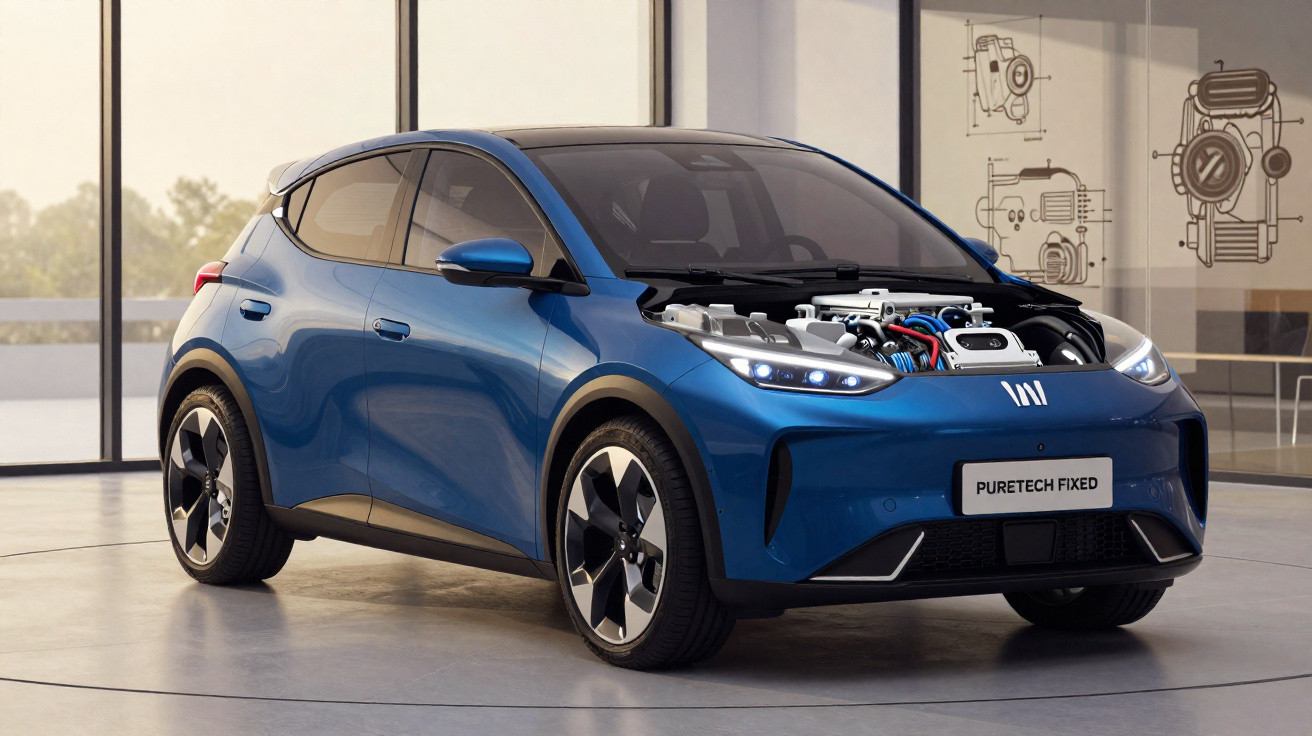
Millions have been sold, they appear across dozens of models, and they are part of everyday driving for thousands of motorists in Portugal. Yet not everyone realises that the Stellantis PureTech 1.0 and 1.2 engines, despite their strong reputation for efficiency, fuel economy and widespread availability, also come with a sensitive technical track record - particularly for units built between 2014 and 2022.
Stellantis PureTech 1.0 and 1.2 (EB) engines and build dates
The issues are most closely linked to the EB2DT and EB2ADTS engines (the internal codes used to identify the turbocharged PureTech 1.2) and some EB0 units (naturally aspirated 1.0 engines). The cases in question relate to engines produced between April 2014 and June 2022.
According to Stellantis, engines manufactured after that point already include updates intended to address the reported weaknesses, and are not affected.
Models potentially affected (April 2014 to June 2022)
In the table, we brought together all Stellantis models that, between April 2014 and June 2022, may be covered by a recall action or a warranty extension.
Other models also use PureTech petrol engines - such as the Jeep Avenger or the FIAT 600 - but they are not part of this group, as they already use the improved version of the engine (post-June 2022).
PureTech update introduced in 2023
In 2023, Stellantis launched a hybrid variant that debuted a further evolution of the PureTech engine: it no longer uses a timing belt and instead uses a chain. More details are available.
What is the issue?
For several years, reports have been mounting of abnormally high oil consumption and premature timing belt failures. The belt is particularly sensitive because it runs in oil - unlike traditional belts - which means it can deteriorate without obvious warning and create debris that blocks lubrication passages. In the most serious situations, the engine can fail completely.
In response to the number of cases, Stellantis put two measures in place:
- Warranty extended to 10 years or 175,000 km, for customers who have followed the maintenance schedule strictly
- Retroactive compensation for repairs carried out between 2022 and 2024, provided the work was completed by authorised workshops and in line with the manufacturer’s requirements.
There is also an official online platform - stellantis-support.com - where customers can submit their cases, with supporting documents and prior registration.
The problem can be fixed
Despite the understandable frustration felt by many owners, it is important to note that not every engine will develop faults. When properly monitored, correctly serviced, and with the timing belt replaced at the right intervals (now brought forward to 60,000 km), PureTech units remain efficient engines.
Even so, Stellantis has said it will extend its compensation policy to European customers affected by PureTech engine problems, covering the previous-generation 1.0 and 1.2 units, also known as EB engines. This sits alongside the extended warranty programme introduced in March 2024.
It is essential that any work follows the recommended procedures. Replacing the timing belt, for instance, requires care with the oil specification used and thorough cleaning of the circuits - otherwise the issue may return.



Comments
No comments yet. Be the first to comment!
Leave a Comment