
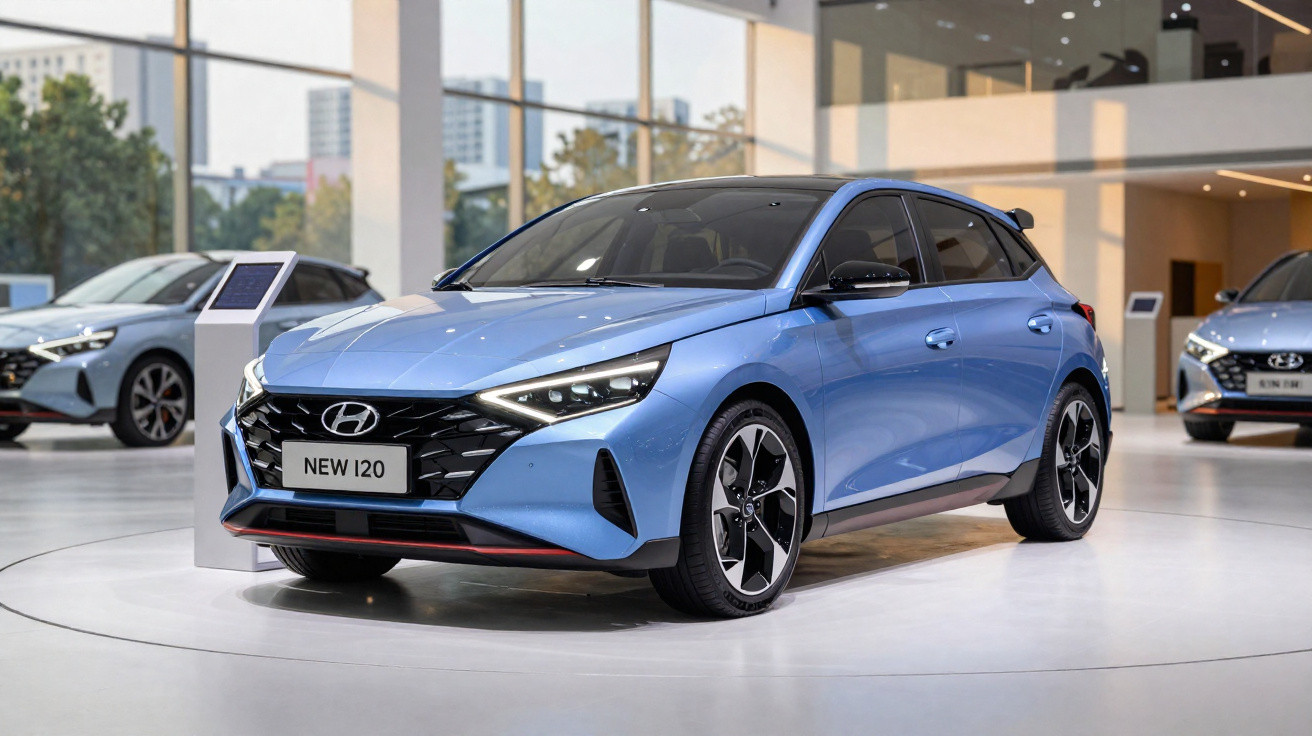
The Hyundai i20 is one of the South Korean brand’s best-selling models in Europe. But for Hyundai Europe CEO Xavier Martinet, strong sales alone are not the end goal. The aim is bigger: to go head-to-head with European brands for the lead in the supermini market.
That is where the next generation of the Hyundai i20 comes in. It will not be an electric car. Instead, it is set to retain an internal-combustion engine, alongside a number of electrified variants. Hyundai is not ready to walk away from combustion engines yet - and neither is the market.
Combustion is here to stay
All signs suggest the new generation will be based on an evolved version of the current platform. In practice, that means the engine line-up should continue to include mild-hybrid technology, but it will not stop there.
According to the indications so far, Hyundai may equip this model with hybrid powertrains for the first time. If that happens, it could use the same system as the Kauai, pairing a 1.6-litre engine with an electric motor for a combined output of 140 hp and 265 Nm.
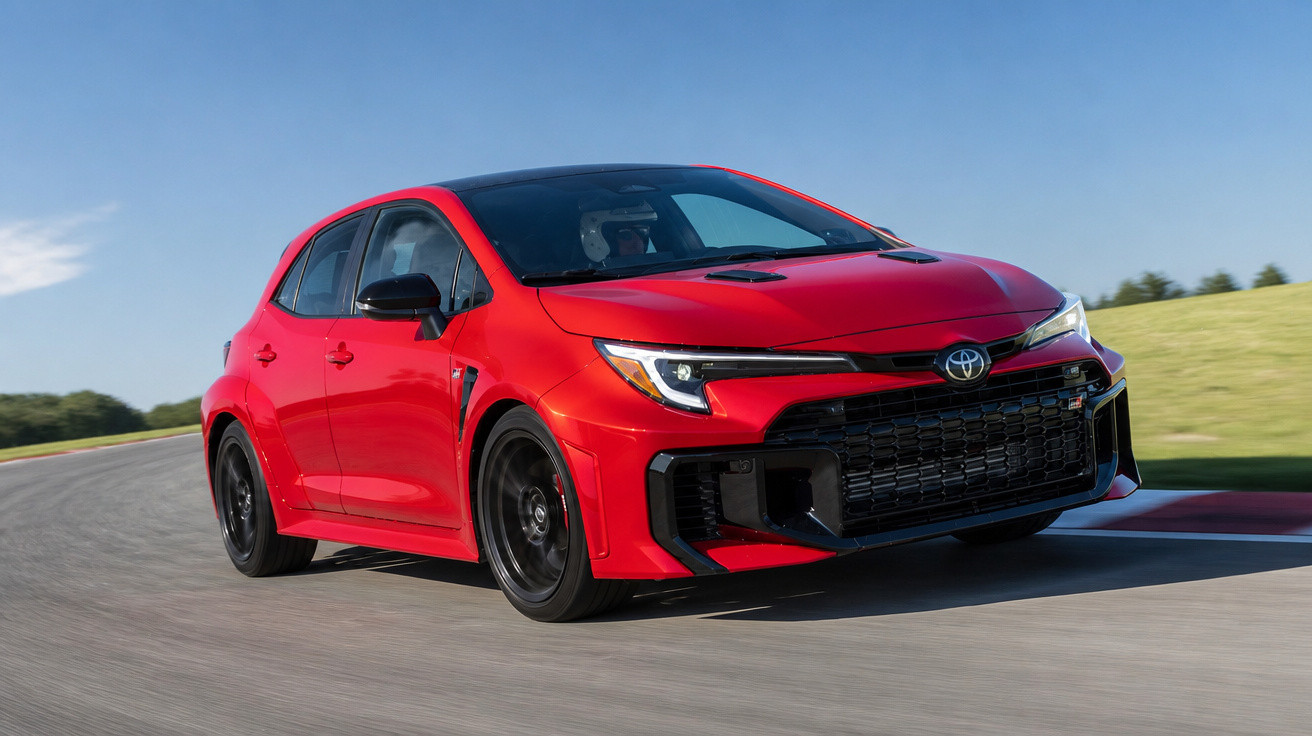
The unspoken objective is straightforward: to compete directly with the Renault Clio and Toyota Yaris, the segment benchmarks when it comes to hybrid powertrains.
Electrification also will not be limited to the “standard” versions. The next i20 is also expected to get a variant developed by Hyundai’s N division. That confirmation came from Alex Eichler, one of the brand’s leading test drivers for its performance models.
Even so, with emissions rules becoming ever stricter, the future Hyundai i20 N may end up being supported by a small electric motor as well.
The figures nobody knows
While detailed technical information is still a long way off, some questions are unavoidable - and one of them is design. On this new generation, it will be completely fresh, bringing the i20 closer to Hyundai’s latest offerings.
On the outside, the biggest highlight is expected to be at the front: the i20 is set to adopt new headlights and a light bar that runs across the full width of the car, as seen on the Hyundai Bayon, for example.
In profile, the sharp creases that define the current generation are likely to give way to cleaner surfaces and more pronounced wheel arches. At the rear, despite the camouflage, it is possible to make out new tail lights and the presence of an exhaust outlet, tucked away behind the bumper.
Arriving in 2027
With its unveiling only expected towards the end of 2026, the future Hyundai i20 should reach the market the following year, in 2027.
As for rivals, it will take on models such as the new Renault Clio, Toyota Yaris, Peugeot 208 and the SEAT Ibiza.
Comments
No comments yet. Be the first to comment!
Leave a Comment