
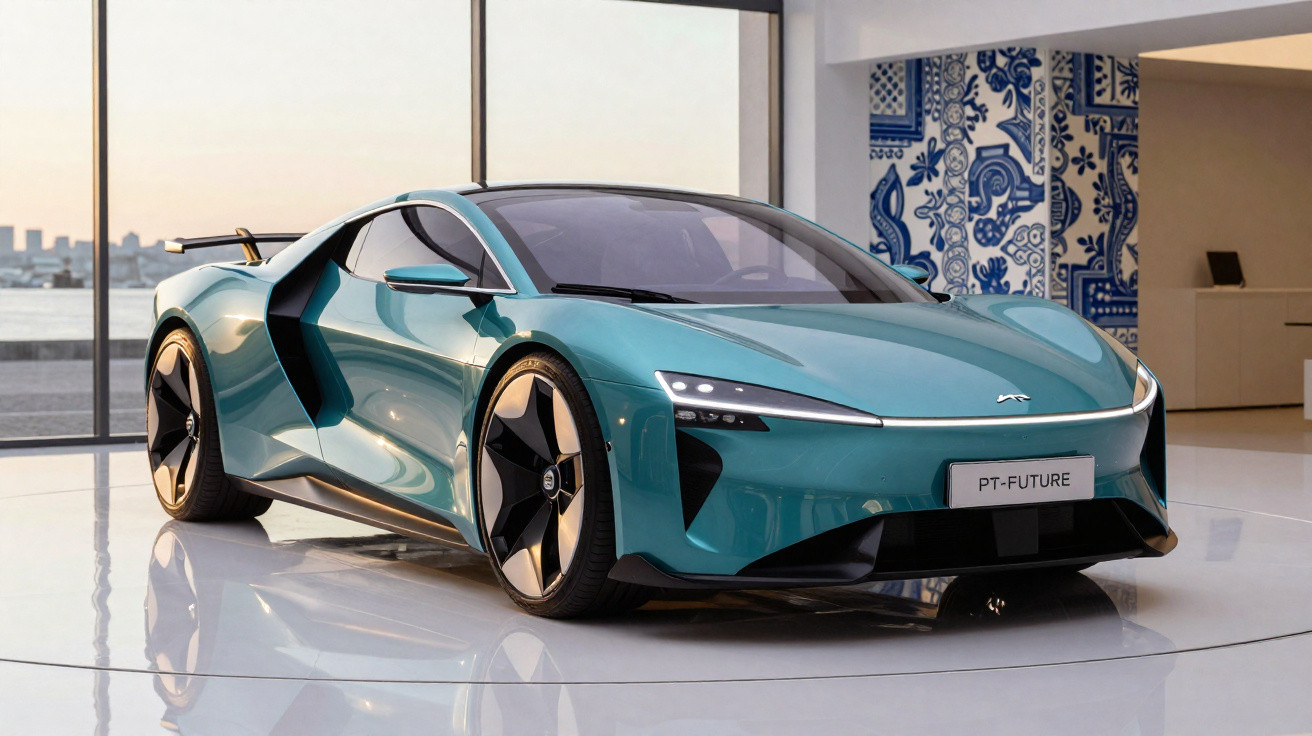
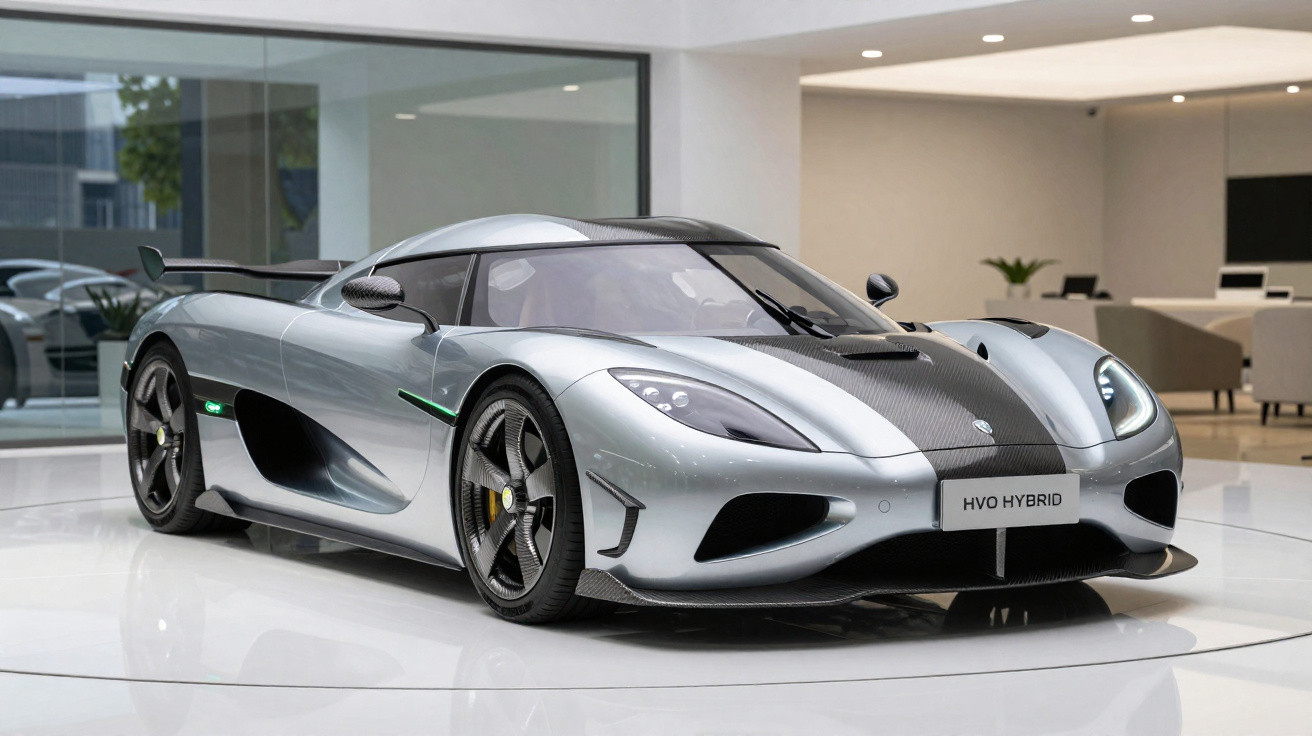
Fiscal unpredictability sits alongside other threats as one of the biggest drags on the Portuguese economy. When tax rules can change without warning, it becomes unworkable to make decisions or map out investment plans. The recent, sudden withdrawal of tax incentives for hybrid vehicles is a clear example.
Fiscal unpredictability in the Portuguese economy
The whole industry was caught off guard. ACAP in particular was left reacting, despite the fact that, year after year, it has shown only limited ability to press its case given the scale of the sector it represents. In Portugal, the automotive sector accounts for 21% of tax revenue and supports more than 150,000 jobs.
At a time when the external environment is marked by extraordinary uncertainty and pressure-on top of the global pandemic we must also factor in demanding environmental standards-it would be reasonable to expect that, at least domestically, building confidence among economic actors would sit high on the political agenda. That would mean offering a stable legislative and tax framework, predictable across multiple years.
Unfortunately, that is not what we have been seeing. And in a situation where the country is the one that loses out, it matters little whether political decision-makers failed to listen or the automotive sector failed to make itself heard-or perhaps both.
We have 2021 to prepare 2022 (and beyond)
Nothing in 2020 suggested that the tax incentives for “environmentally friendly” cars were about to end. Yet the change came abruptly and, in some cases, meant the tax burden doubled, undermining decisions made by thousands of companies that had chosen hybrid and plug-in hybrid technology.
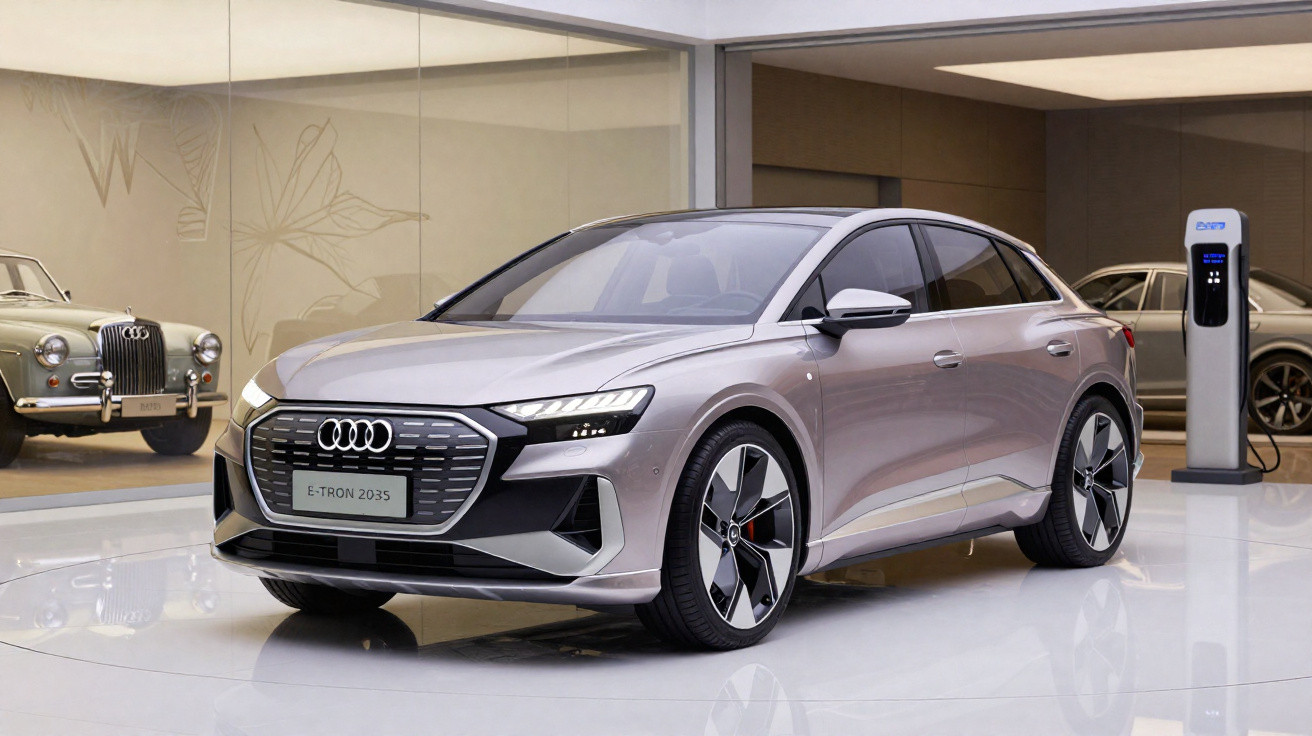
If, in practice, tax revenue takes precedence over environmental goals, an obvious question follows: what will happen to tax policy once 100% electric vehicles take up an even larger share of the automotive market?
What could happen next for electric vehicles after OE 2021?
It is clear that Portuguese tax receipts are heavily dependent on the automotive sector. With public finances under pressure, is it reasonable to expect that what happened to hybrids in 2021 could happen to electric vehicles in 2022?
"The unpredictability of the OE 2021 invites us to believe that, in this area, nothing is impossible."
That is why the automotive sector and political leaders must start preparing 2022 now. More than that, they need to plan for the next 10 years. The challenges the automotive sector must overcome by 2030-challenges that cut across society as a whole-demand it. The alternative is widespread embarrassment.
The lack of communication seen last November cannot be repeated next November. We will be watching closely for signals from ACAP and from political decision-makers. Anything we can do to push in that direction will be too little. The economy will benefit-and so will the environment.
Comments
No comments yet. Be the first to comment!
Leave a Comment