
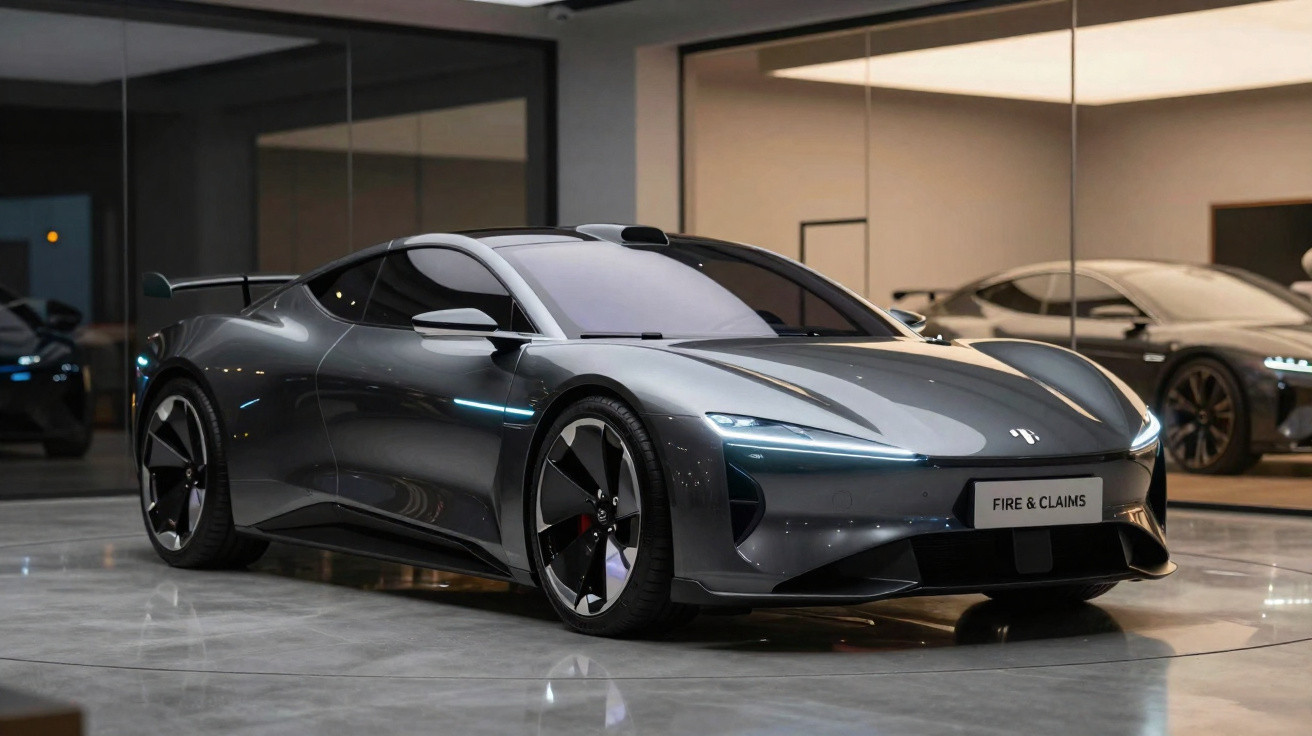
Over recent months, a series of fires in car parks and garages has once again raised questions about who is liable when losses occur. Each time a vehicle is destroyed by flames, the same issue comes up: who pays for the damage to the car, the building and any other vehicles affected?
There is no one-size-fits-all answer. Liability depends on where the fire started, which must be established through a technical expert assessment. Only once that investigation is complete can it be clear which insurer is responsible for compensating the losses.
The cause of the fire decides who is responsible
Whether the vehicle is petrol/diesel or electric, the decisive factor is always the fire’s origin.
Responsibility for the damage is determined under the general civil-liability rules set out in the Civil Code, particularly Articles 483 et seq., and, where relevant, under the Compulsory Motor Third-Party Liability Insurance regime established by Decree-Law No. 291/2007 of 21 August.
In practical terms, only after the expert assessment has identified the cause of the fire is it possible to determine which insurer must pay compensation for the resulting losses.
If the investigation finds that the fire began in the vehicle itself, the insurance policies linked to that vehicle come into play.
If, instead, the fire is traced to a fault in the building’s electrical installation, a charging point, or any other fixed garage infrastructure, liability may fall on the building’s management (for example, the residents’ management company) or on the entity responsible for installing and maintaining that equipment.
When the fire starts in the vehicle
If the expert assessment concludes that the fire originated in the car, damage to that car will only be compensated if the owner has taken out comprehensive cover (own-damage insurance) that includes fire, lightning and explosion.
Under Decree-Law No. 291/2007, compulsory motor third-party liability insurance is intended to compensate damage caused to others and does not, as a rule, cover losses suffered by the vehicle that started the fire.
Where the fire damages other cars, the garage structure or third-party property, liability has to be assessed on a case-by-case basis. If it is shown that the fire originated in a vehicle and that there is third-party liability insurance attributable to its owner (or another responsible party), the motor third-party liability policy will meet the costs of damage caused to third parties.
And what about electric cars?
Exactly the same legal principles apply to electric vehicles. If it is proven that the fire began in the high-voltage battery or another component of the car, responsibility is established in the same way as for a vehicle fitted with an internal combustion engine.
However, if the vehicle was connected to a charging point, the investigation must also determine whether the fire started in the car or in the charging infrastructure. Only then can it be established who is responsible for the damage and which insurance policy must compensate the losses.
Comments
No comments yet. Be the first to comment!
Leave a Comment