
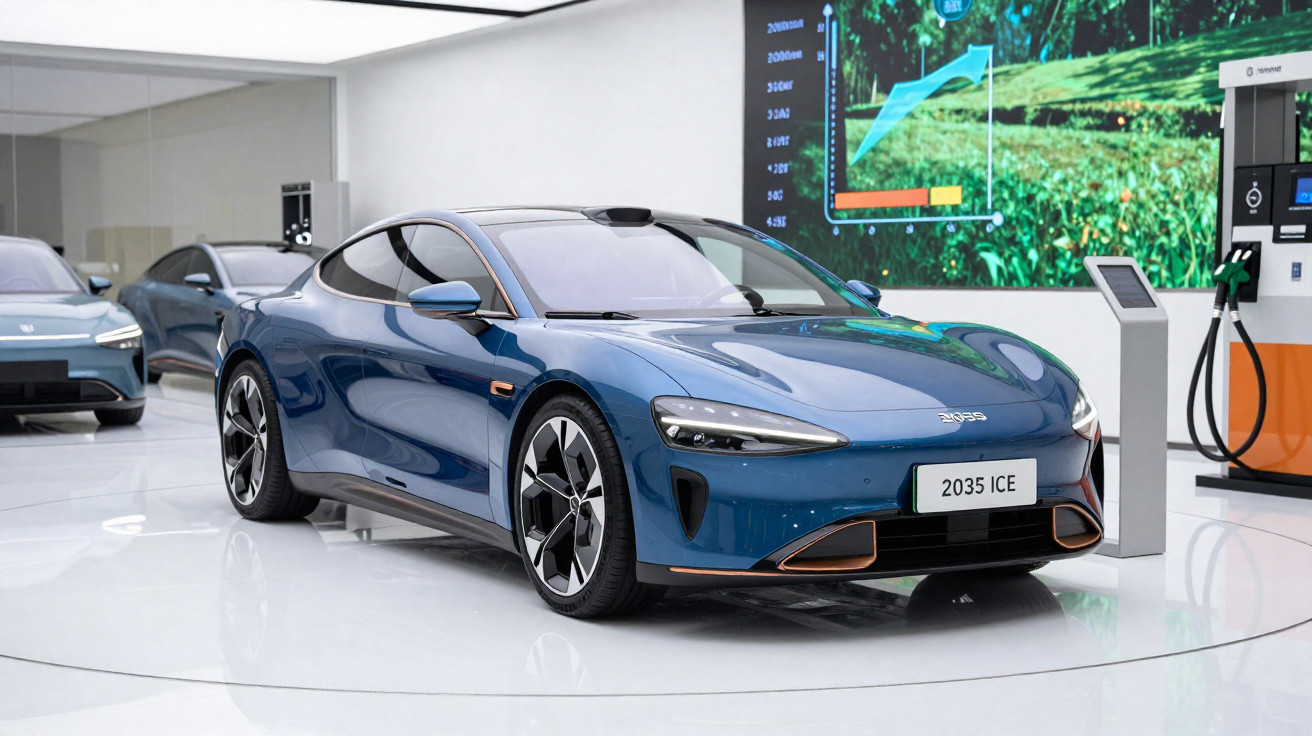
The European Commission’s proposal to roll back the 2035 zero-emissions objective would allow internal combustion engines to remain on the road well beyond that date. Rather than requiring a complete elimination of CO₂ emissions, the revised plan sets a 90% reduction compared with 2021 levels - around 11 g/km of CO₂.
Even so, the target remains highly demanding and, for the first time, it also factors in external elements. Up to 7% of emissions may be offset through the use of low-carbon European steel, and a further 3% via advanced biofuels, synthetic fuels (e-fuel) or hydrogen.
There should be no misunderstanding: manufacturers would still face substantial fines if they fail to meet the interim targets (2025-27 and 2030-32) or the new 11 g/km target in 2035, should it be approved by the European Parliament and the European Council.
So, how many internal combustion engine cars will there be in 2035?
The remaining question was how this EU shift would translate into actual new-car sales involving combustion engines. Based on the European Commission’s own calculations, the expectation is that in 2035, up to 35% of new cars sold could still have internal combustion engines.
This was stated by Apostolos Tzitzikostas, European Commissioner for Sustainable Transport and Tourism, at a press conference: “approximately 30% to 35% of cars may not be fully electric”.
He also stressed that these sales would involve a technology mix: plug-in hybrids, electric vehicles with range extenders (EREV), or even hydrogen-fuelled internal combustion engines (as Toyota has been testing).
In Tzitzikostas’s view, EREVs are currently “the cleanest option” and are “in practice, electric vehicles”. However, he also accepts that cars powered solely by an internal combustion engine could still account for around 10% of the total market in 2035.
Environmental groups are less optimistic
The lobbying organisation Transport & Environment, which has been among the most prominent critics of the European Commission’s proposed relaxation of emissions targets, has modelled several scenarios - all of which lead to average emissions above 11 g/km.
In an extreme scenario, T&E argues that even if EREVs were to reach 50% of the car market, the industry’s average CO₂ emissions would still stand at 22 g/km - twice as high.
According to the group, putting greater emphasis on plug-in hybrids or conventional combustion engines would, counterintuitively, require a steep reduction in internal combustion engine sales in order to hit the emissions goal.
The Porsche amendment
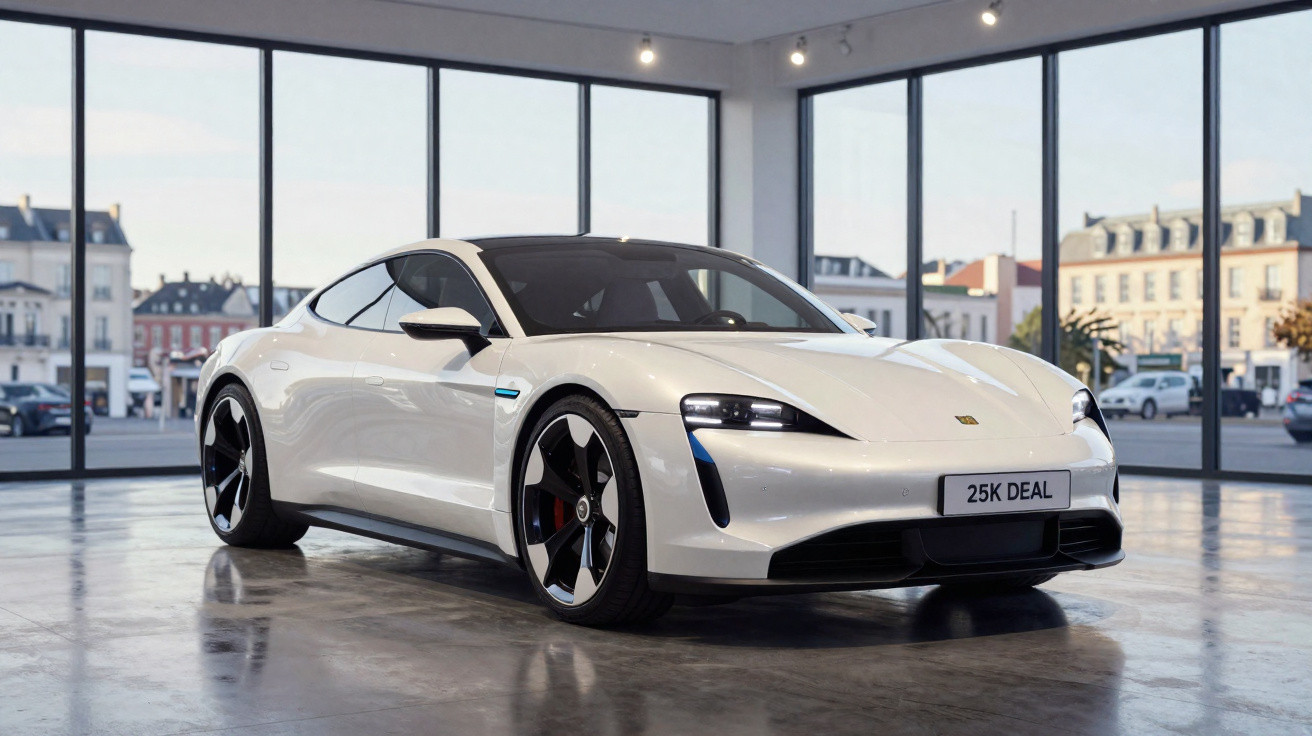
There is also an unavoidable economic dimension. Analyst Mathias Schmidt told Automotive News that this backtracking is increasingly being referred to as the “Porsche amendment”: combustion engines after 2035 are likely to become expensive niche products, supported by synthetic fuels and higher-cost materials.
In plain terms, that would mean fewer combustion cars, but more exclusive ones - effectively limited to wealthier buyers. As Schmidt put it, internal combustion engine cars sold after 2035 will be like the “very expensive Swiss watches of the automotive industry”.
Comments
No comments yet. Be the first to comment!
Leave a Comment