
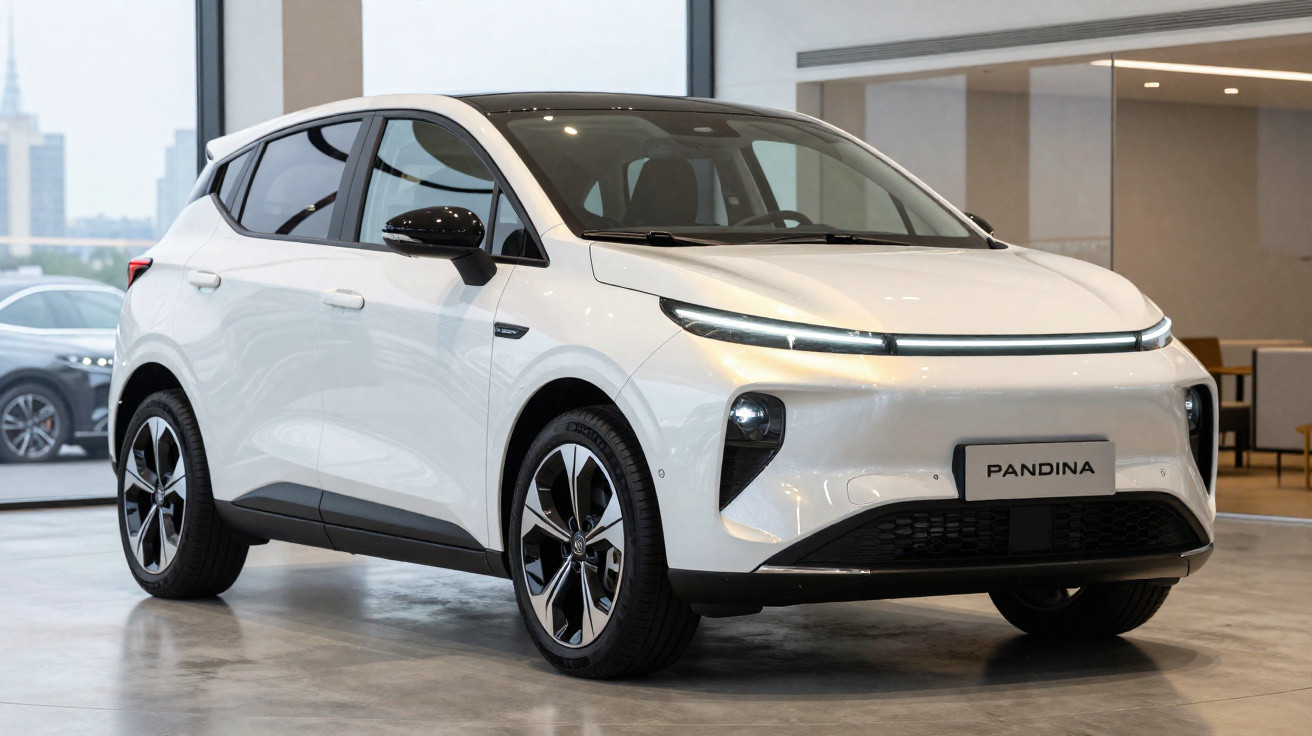
While plenty of carmakers are dropping their smallest models, Fiat is steering the opposite way. The Italian brand is preparing a new city car positioned below the Grande Panda. The internal project name is already doing the rounds, early technical hints are emerging - and, above all, the targeted price point is fuelling plenty of discussion.
New entry-level Fiat to plug the gap below
Fiat is in the middle of a major reshuffle of its line-up. Alongside the 500e, 600 and Grande Panda, there is currently no true entry model aimed squarely at cost-conscious buyers. That is exactly where the next small-car generation is expected to fit in - and, according to current information, it will likely carry the name “Pandina”.
Today, the label is used internally for a version of the current Panda, but in future it is intended to identify a separate, very small car in its own right. The intended audience is clear: city dwellers, commuters, younger drivers and anyone after a straightforward, nimble second car - without the madness of spiralling prices and overcomplicated tech.
"The new Fiat Pandina generation is set to start below the Grande Panda and become the cheapest door into the Fiat world."
Fiat itself is keeping quiet for now. There are no official images and no firm specifications to point to. What does seem certain is that the brand is pushing hard on several new launches, and this deliberately simple (but not cheap-looking) city car is one of the most intriguing pieces of the puzzle.
Electrified, but not only: the technology package
The question of powertrains is where things get particularly interesting. Rather than committing to a single solution, Fiat is reportedly planning a broad spread - so the car can make sense both in small towns in southern Italy and in low-emission zones in Germany.
- Mild hybrid: a small petrol engine with 48-volt assistance to keep fuel use down
- Fully electric: a 100% electric drivetrain for city users and commuters
- Classic combustion engine: a simple petrol version for markets with lower purchasing power
That variety aligns with Fiat’s current direction: on certain models the Italians are leaning back towards combustion engines, instead of going all-in on EVs. The aim is not to force customers to change habits, but to meet them where they are.
For the electric version, the emphasis is clearly on everyday usability rather than headline records. A realistic 200 to 300 kilometres, depending on battery size, is widely seen in the industry as plausible. A small, light car does not need an enormous battery pack - which helps keep both weight and cost in check.
The small car is likely to share its underpinnings with Citroën
To hit an aggressive price, Fiat is working closely behind the scenes with its sister brands within the Stellantis group. Citroën is particularly relevant here: the French brand is also considering a return to the very small-car class, as a spiritual successor to the old C1.
"Platform, powertrains and many components are likely to be shared between the future Pandina and a possible new Citroën small car."
The approach is familiar. Even today, cars such as the Citroën C3 and Fiat Grande Panda rely on closely related technical foundations. Sharing platforms reduces development spend - a decisive factor in the price-sensitive A- and B-segments.
Price target under 15,000 euros: a statement in the small-car segment
What really turns heads is the price expectation being reported by Italian media: the new Fiat Pandina generation is said to start below 15,000 euros. At a time when many small cars are pushing into territory once occupied by family hatchbacks, that would be a notable exception.
Depending on drivetrain, the following scenario seems conceivable:
| Variant | Possible positioning | Target price (speculation) |
|---|---|---|
| Combustion engine | stripped-back base model, cost-first approach | under 15,000 euros |
| Mild hybrid | all-rounder with lower fuel consumption | around 16,000–17,000 euros |
| Fully electric | city EV with a small battery | under 20,000 euros targeted |
There are no official list prices yet, but the direction is obvious: the new small model is meant to sit well below the Grande Panda and revive a genuine “people’s Fiat” feel.
A rival for the Twingo E-Tech and others
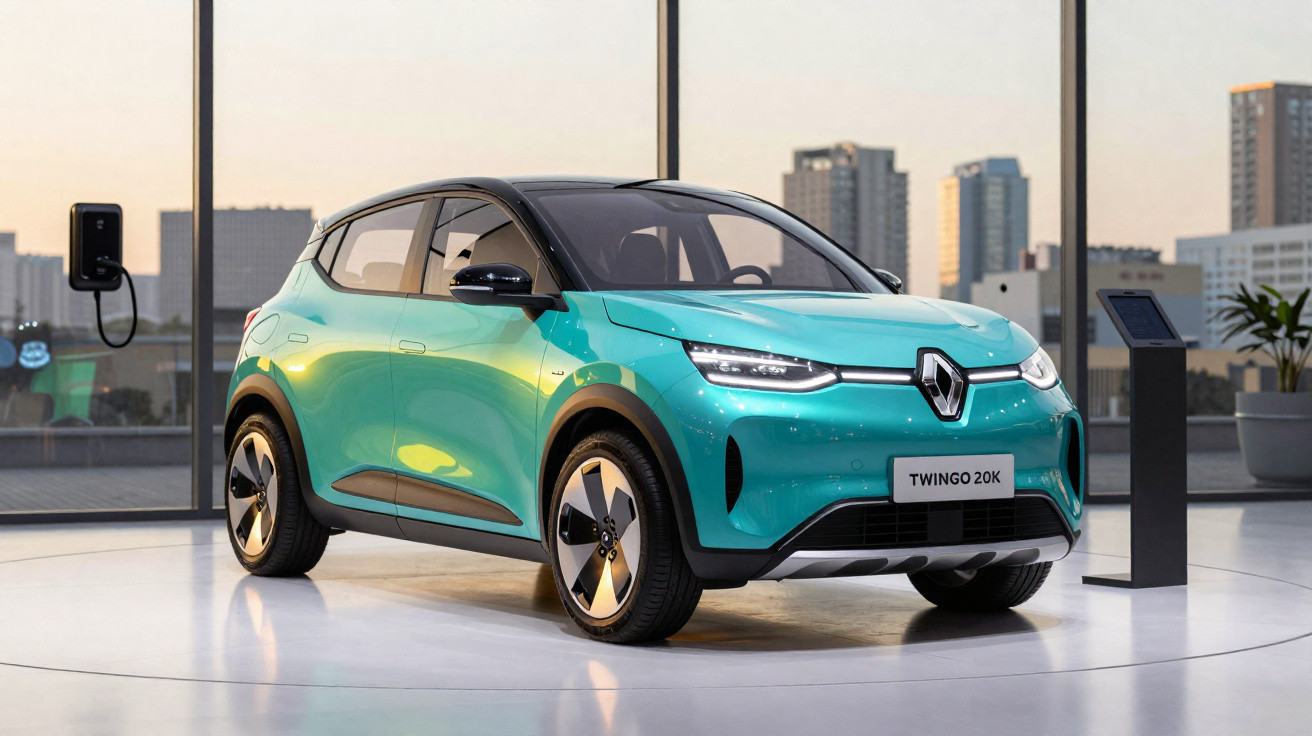
At first glance, the city-car market appears to have contracted - but in reality, new niches are forming. The electric Renault Twingo E-Tech is already waiting as a direct competitor, while additional low-cost city EVs from China are also pushing into Europe.
A future Pandina could slot neatly in between: cheaper than many imported EVs, more familiar than anonymous newcomers, and backed by the reassurance of an established manufacturer. A plain, hard-wearing interior focused on function rather than luxury would fit that brief perfectly.
Debut in Paris, market launch later
Even so, buyers will have to wait a while before seeing the car at a dealership. The project is expected to appear publicly for the first time at the Paris Motor Show. Fiat intends to present several concept studies there, with one of them thought to point directly towards the new city car.
"The production version of the new Fiat Pandina generation is likely to be unveiled no earlier than the end of next year and be widely available only around 2027."
Initially, a concept car is the most likely outcome - one that already showcases key design ideas: short overhangs, plenty of glass area and clean, straightforward lines. The final production model, however, is expected to be simpler overall, keeping costs and manufacturing complexity under control.
Why very small cars are becoming interesting again despite the SUV boom
SUVs and crossovers currently dominate German roads. At the same time, rents, living costs and interest rates are rising. More customers are paying closer attention to both purchase price and running costs - and that is precisely the opportunity brands like Fiat are targeting.
A very small car offers tangible advantages:
- lower purchase costs
- reduced fuel use and cheaper insurance groups
- better odds of fitting into tight city parking spaces
- a manageable footprint, ideal for new drivers
The mix of combustion, mild hybrid and electric options is likely to be especially appealing. Those living in rural areas may opt for the straightforward petrol model. City residents with their own wallbox are more likely to choose the EV, while car-sharing operators could find mild-hybrid fleets particularly attractive.
What buyers should plan for already
Anyone banking on an affordable Fiat city runabout should expect a few typical traits. The cabin and materials are likely to be pragmatic, and premium infotainment will probably remain strongly centred on smartphone integration. In return, modern assistance systems should be available, at least as options: autonomous emergency braking, lane-departure warning and a reversing camera.
When it comes to the electric drivetrain, it is worth keeping an eye on incentives and electricity tariffs. A small city car with a modest battery size charges faster and uses less energy, though it will feel more limited on the motorway. For daily commuting or supermarket runs, that will be more than enough for many.
It will also be fascinating to see how Fiat balances retro charm with up-to-date technology. The classic Panda stands for simple, honest mobility. The new Pandina generation has to carry that same spirit into an era where software, driver assistance and energy costs matter almost as much as engine size and horsepower.
Comments
No comments yet. Be the first to comment!
Leave a Comment