
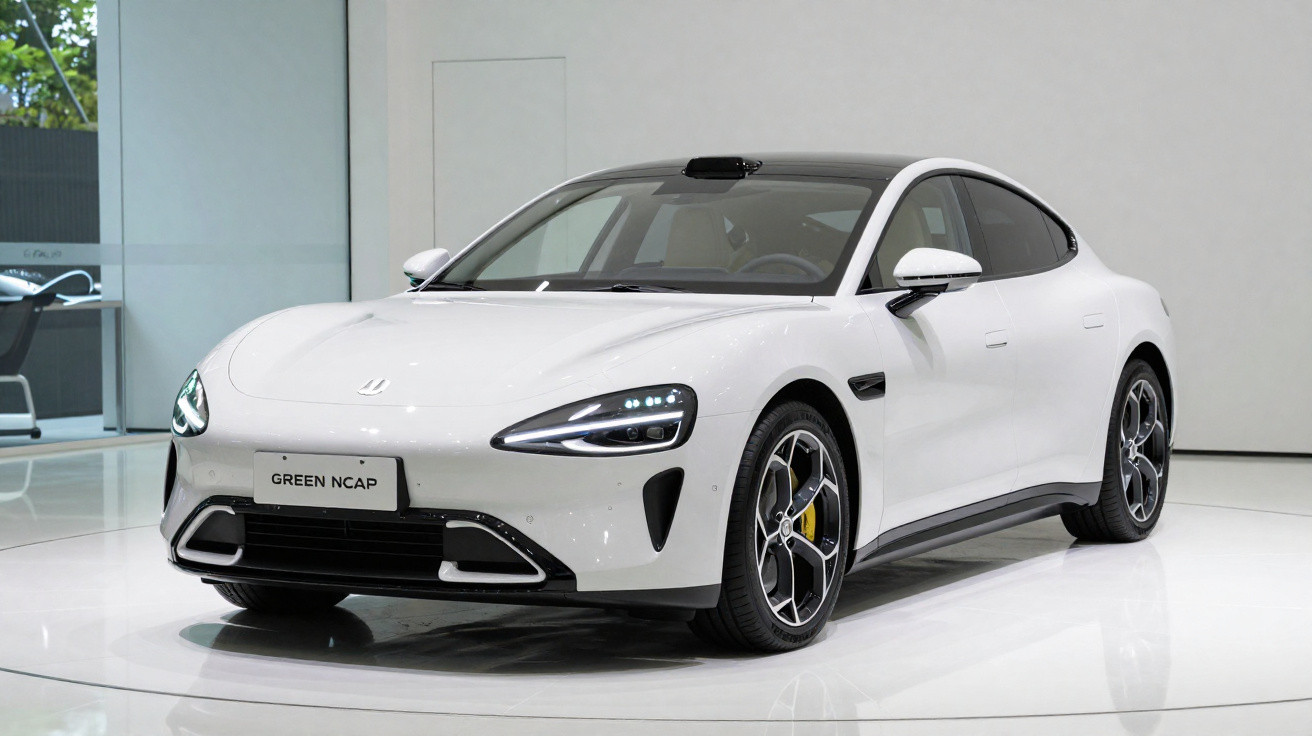
Green NCAP does for a car’s environmental performance what Euro NCAP does for vehicle safety - and, in the same way, the final result can be as high as five stars.
If you want to understand what sits behind a star-based rating, it is worth reading (or re-reading) our article from the previous test round, where we explain in detail the areas assessed to determine just how “green” the cars we drive really are.
Green NCAP test round: the mix of vehicles assessed
This time around, Green NCAP put 25 vehicles through its tests, spanning models powered solely by internal combustion engines (petrol and diesel), fully electric cars, plug-in hybrids, and even a hydrogen fuel-cell option in the shape of the Hyundai Nexo.
Green NCAP results table (all models and star ratings)
In the table below, you can see each model’s outcome; just follow the corresponding link to view the detailed assessment.
| Model | Stars |
|---|---|
| Audi A3 Sportback 1.5 TSI (automatic) | 3 |
| BMW 118i (manual) | 2½ |
| BMW X1 sDrive18i (manual) | 2 |
| Citroën C3 1.2 PureTech (manual) | 3 |
| Dacia Sandero SCe 75 (2nd generation) | 2½ |
| FIAT Panda 1.2 | 2½ |
| Ford Kuga 2.0 EcoBlue (manual) | 2½ |
| Honda Civic 1.0 Turbo (manual) | 2½ |
| Hyundai NEXO | 5 |
| Hyundai Tucson 1.6 GDI (3rd generation) (manual) | 1½ |
| Kia Niro PHEV | 3½ |
| Land Rover Discovery Sport D180 4×4 (automatic) | 1½ |
| Mazda CX-30 Skyactiv-X (manual) | 2½ |
| Mercedes-Benz A 180 d (automatic) | 2½ |
| MINI Cooper (automatic) | 2½ |
| Mitsubishi Outlander PHEV | 2 |
| Opel Corsa 1.2 Turbo (automatic) | 2½ |
| SEAT Leon Sportstourer 2.0 TDI (automatic) | 3 |
| Škoda Fabia 1.0 TSI (manual) | 3 |
| Škoda Octavia Break 2.0 TDI (manual) | 3½ |
| Toyota Prius Plug in | 4 |
| Toyota Yaris Hybrid | 3½ |
| Volvo XC60 B4 Diesel 4×4 (automatic) | 2 |
| Volkswagen Golf 1.5 TSI (manual) | 3½ |
| Volkswagen ID.3 | 5 |
As you might expect, the only vehicles to reach the maximum five-star rating were also the only zero-tailpipe-emissions models assessed: the battery-electric Volkswagen ID.3 and the hydrogen fuel-cell Hyundai Nexo. Even so, despite scoring full marks overall, the Nexo was unable to match the ID.3 on energy efficiency.
“Plug-in hybrids are not all the same”
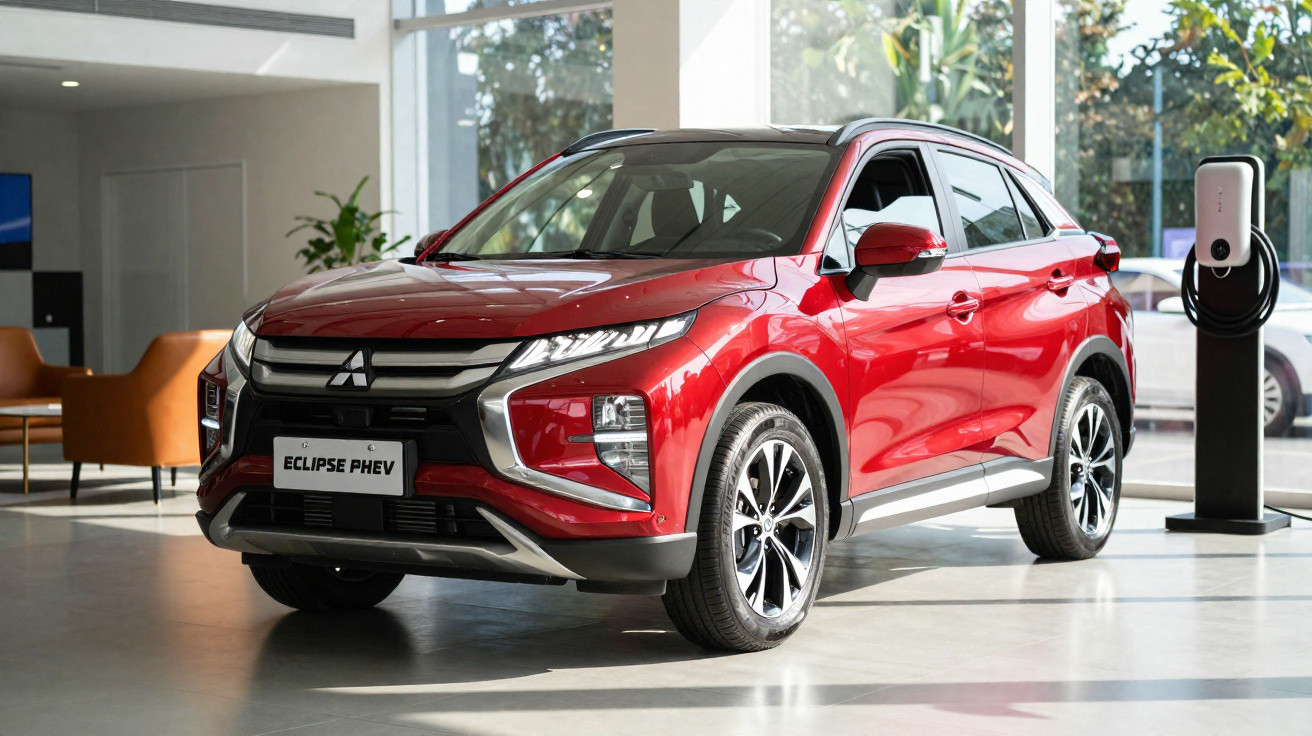
The figures everyone was most keen to see were those for plug-in hybrids. In recent months, these models have been caught up in controversy over their real-world consumption and emissions - after a handful were tested, the results came out far higher than those achieved under the WLTP cycle. Against that backdrop, Green NCAP tested three plug-in hybrids: the Kia Niro, the Mitsubishi Outlander (which has often been Europe’s best-selling plug-in hybrid), and the PHEV version of the Toyota Prius.
Green NCAP’s findings mirror what we also see with combustion engines: no two plug-in hybrids are identical, so the outcomes can vary… a lot. The Toyota Prius Plug in, for instance, achieved an excellent four-star rating, outperforming every other vehicle on test apart from the battery-electric and fuel-cell models.
The Kia Niro PHEV was not far behind the Prius with 3.5 stars, but it was the Mitsubishi Outlander’s showing that disappointed, with just two stars. In fact, several purely combustion-powered models managed better results than the electrified Outlander. That comes down to a mix of factors, from its limited electric-only range (30 km) to the efficiency and exhaust gases produced by its internal combustion engine.
Other notable Green NCAP scores beyond plug-in hybrids
Among the remaining vehicles evaluated, a particular highlight is the 3.5-star result for the Toyota Yaris Hybrid, which is hybrid but not plug-in. Perhaps more surprising is that it was matched by two purely combustion models: the Škoda Octavia Break 2.0 TDI - despite its much-maligned diesel engine - and the petrol-powered Volkswagen Golf 1.5 TSI.

Comments
No comments yet. Be the first to comment!
Leave a Comment