
Europe is moving through a period of change - not only in cars, but in how we live day to day. The market is already adjusting to that shift.
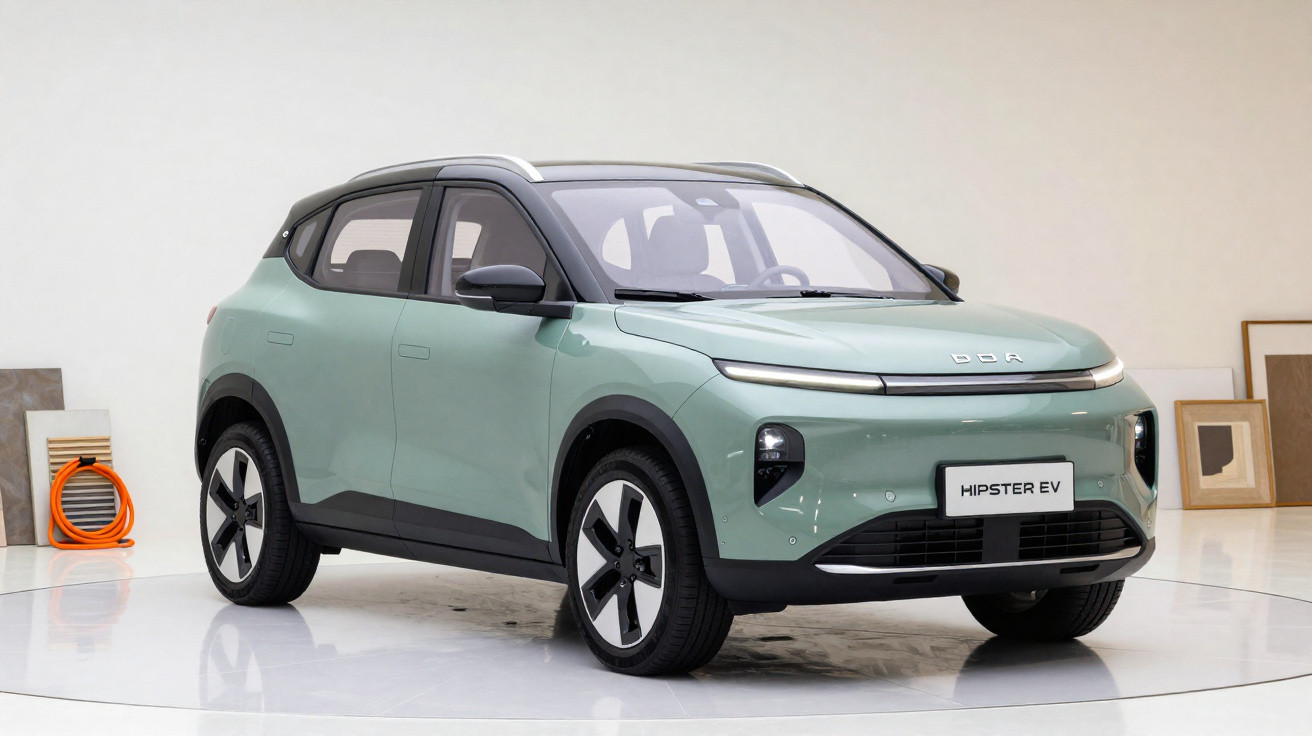
Dacia, the brand that has built its name on offering “the best value for money”, has now unveiled a new concept with a straightforward ambition: to rethink the modern people’s car.
The same manufacturer that, more than 20 years ago, set out to launch a practical family car for €5,000 is now presenting the Hipster Concept - an electric vehicle intended to be as attainable as the Logan felt at the start of this century.
“This is the most Dacia project I have ever worked on. It has the same social impact that the Logan had 20 years ago.”
Romain Gauvin, Dacia Director of Advanced Design and Exterior Design
Even so, don’t expect pricing anywhere near €5,000. Here’s what you need to know about the new concept.
Dacia Hipster Concept: the Logan spirit in an affordable electric car
Dacia’s goal with the Hipster Concept is clear: keep things simple, useful and within reach, while cutting the environmental burden associated with today’s electric cars.
What makes this car special?
The Dacia Hipster is just 3 m long, 1.55 m wide and 1.52 m tall, yet it is designed to carry up to four adults. Its boot capacity ranges from 70 litres to 500 litres, depending on how the seats are arranged.
Alongside its compact footprint - much shorter than Japanese kei cars, but wider - the Hipster Concept is 20% lighter than the Dacia Spring. Total weight stays under 800 kg.
Lower mass means fewer raw materials, less energy consumed during manufacturing, and reduced energy demand on the road. In turn, that helps to halve the carbon footprint compared with today’s electric vehicles.
Design and materials: simplicity to cut weight and cost
That “less is more” approach is obvious in the styling: a tight, solid-looking form set on four wheels pushed out to the corners, with clean surfaces and no decorative excess.
At the front, the look is defined by horizontal headlamps and a tough but friendly face. At the rear, a full-width tailgate opens in two sections, making it easier to reach the load area.
As with other models from the brand, there are clever cost- and weight-saving details. The rear lights are built into the back window to remove extra components, while the usual door handles are replaced by straps that are lighter and straightforward to use.
Only three body areas are painted: the front end and the inlets around the side door openings. Everywhere else is left in the material’s natural colour.
Cabin layout and BYOD technology
Inside, the available room is used as efficiently as possible. The windows are upright, the seats show their structure, and they are finished in technical fabric.
The front seat is a bench, echoing popular cars from the past, and the boot again can move between 70 litres and 500 litres thanks to a folding rear seat.
Technology follows a BYOD approach - Bring Your Own Device - so there is no central screen. The driver’s smartphone becomes the infotainment system and can even act as a digital key.
When will it arrive?
For now, the Dacia Hipster Concept is exactly that: only a concept. Brand engineers say it was developed with industrial feasibility in mind, but there is still work to do - particularly around meeting the necessary regulations.
And although it was created before Ursula Von der Leyen’s announcement of the European E-Car, the Hipster offers a glimpse of what that class could look like. It also hints at the direction the Romanian brand wants to take: electric cars that are accessible, simple, practical and sustainable.
Comments
No comments yet. Be the first to comment!
Leave a Comment