
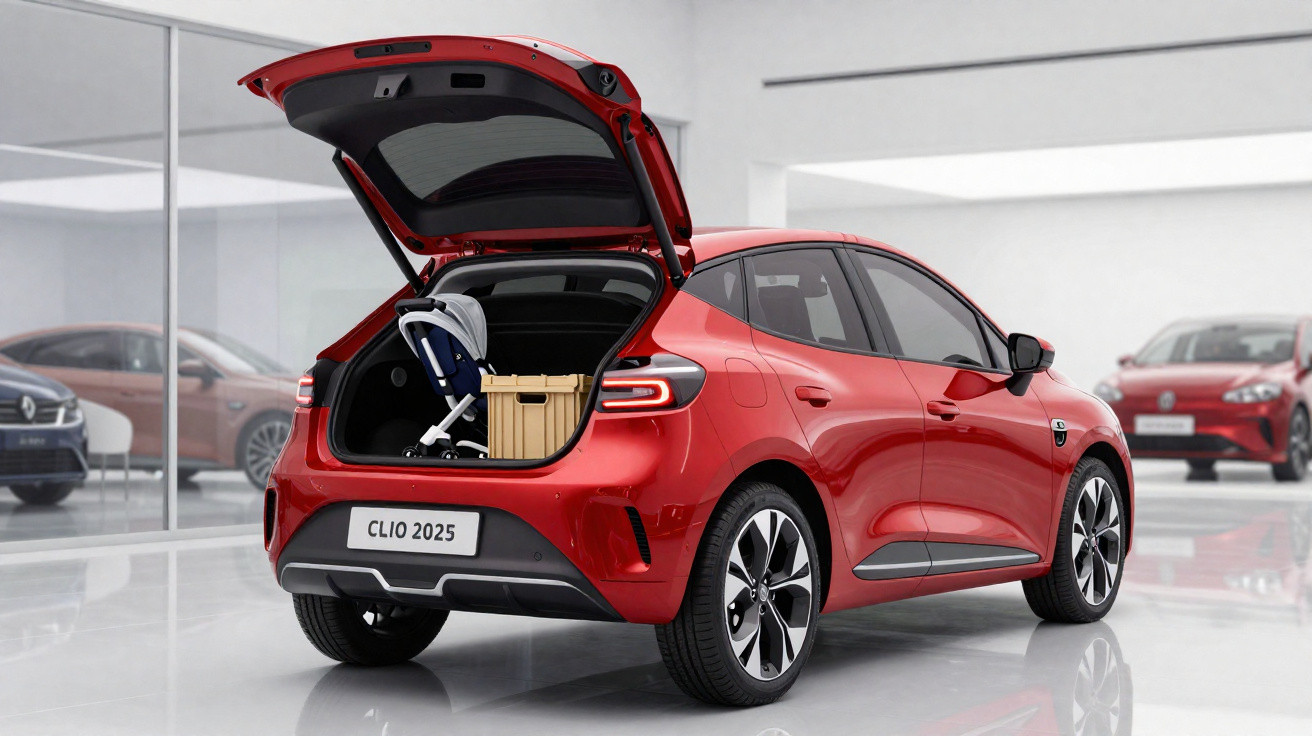
The latest Renault Clio arrives with a refreshed rear end, aiming to win over everyday drivers with a boot that’s not only practical but also easier to use.
Today, many supermini buyers are less concerned with headline horsepower and far more interested in how smoothly a car fits into day-to-day life. Pushchairs, crates of drinks, suitcases, weekly shops - it all needs to go in without you twisting awkwardly. That’s exactly where Renault has focused with the Clio: the boot has been revised not just in terms of capacity, but above all in usability.
How big is the boot in the Renault Clio really?
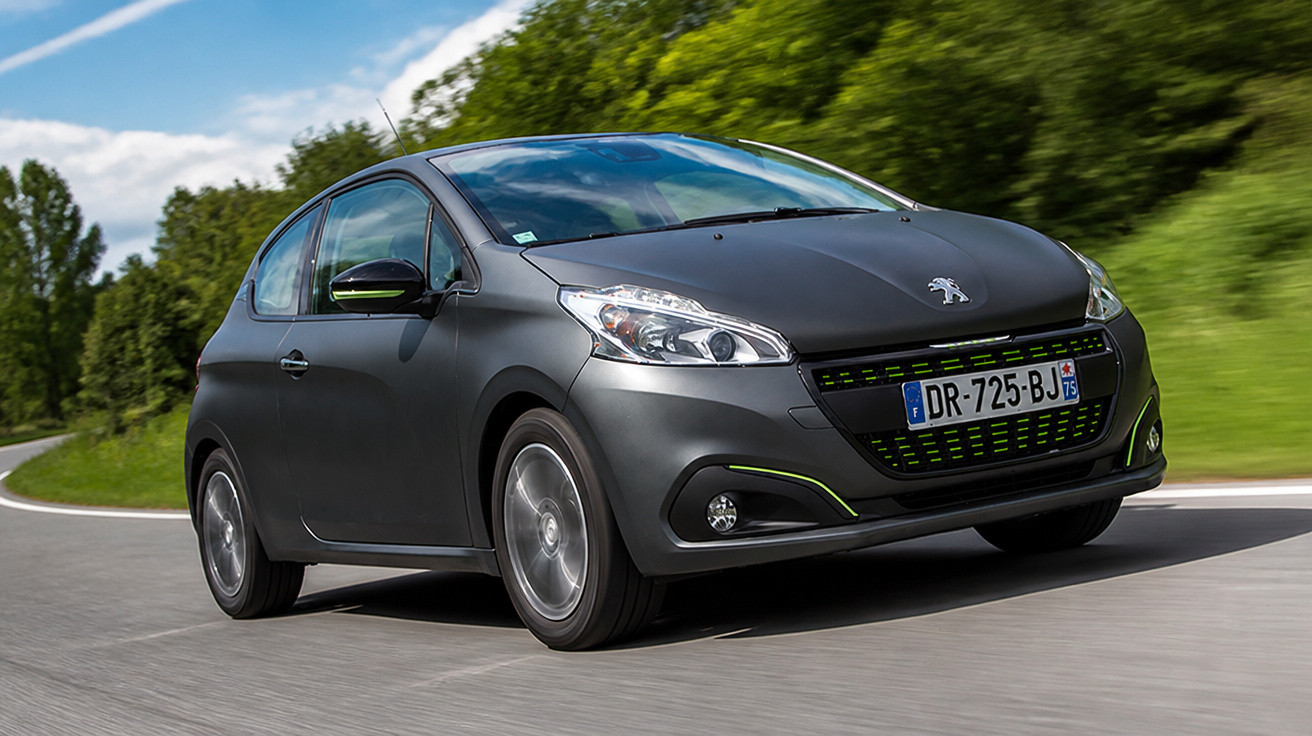
On paper, the Clio’s boot doesn’t look especially dramatic. With 309 litres available with the rear seats up, it sits squarely in the middle of the supermini class. Those figures are broadly comparable with close rivals such as the Peugeot 208 or Citroën C3.
Fold the rear seatbacks down and the available space increases to up to 1,094 litres. In real life that’s enough for quite a lot - anything from a big weekend shop to camping kit, and even moving boxes if you stack carefully.
309 to 1,094 litres: at first glance, class-typical numbers - what matters is how intelligently that space can be used.
The petrol-engined version is where it gets particularly interesting. Here, the Clio offers a noticeable jump in luggage space: 391 litres with the seats in place, and up to 1,176 litres with the rear bench folded. For a supermini, that’s a strong figure and easily covers the needs of a small family trip.
Lower load lip: four centimetres that makes a big difference
Raw litre counts only tell part of the story. Renault has deliberately tailored the rear area for everyday practicality. Responding to customer feedback, the engineers lowered the boot lip by 4 cm. It may sound minor, but in daily use the benefit is immediate.
If you regularly lift in crates of water, tool boxes or a heavy pushchair, those few centimetres mean less strain and less awkward heaving. Shorter drivers and older motorists in particular will appreciate the reduced load height, as it eases the burden on shoulders and back.
- Heavy items are easier to load
- Lower risk of injury from catching or snagging on a higher edge
- More comfortable handling for people with reduced mobility
- The boot feels more open and less “cramped”
While many manufacturers focus facelifts mainly on styling or infotainment, Renault shows that even a straightforward ergonomic tweak can noticeably improve comfort in day-to-day use.
Comparison in the supermini segment: where does the Clio sit?
With 309 litres as standard, the Clio lands in the class mid-pack. Some competitors offer slightly more, others slightly less. What stands out is that this French supermini doesn’t chase the biggest possible load bay at all costs; instead, it aims for a balanced overall package.
Renault also puts emphasis on the following:
- keeping the load area as boxy and rectangular as possible,
- avoiding heavily intruding side walls,
- ensuring the rear seat creates a relatively flat surface once folded.
In everyday use, details like these often matter more than a handful of litres on a specification sheet. Anyone who has tried to wrestle a bulky box into a nominally larger but awkwardly shaped boot will recognise the issue.
Benefits of the petrol version with the larger boot
When it comes to luggage space, the petrol Clio sits at the top of the range. With 391 litres, the load bay feels significantly more generous. The reason is typically a different packaging layout at the rear - for instance, the position of the fuel tank or components associated with hybrid systems, which on certain versions can take up space beneath the boot floor.
For many buyers, that difference can be decisive. If you often travel with lots of luggage, it’s worth checking exactly which engine option delivers which boot volume. With the Clio, the petrol figures are particularly worth a close look.
The petrol version of the Clio offers up to 1,176 litres of space - ample reserves even for longer holiday journeys.
Everyday scenarios: what actually fits in the Clio?
Figures are one thing; real life is another. People considering a Clio usually have familiar use cases in mind. A few examples help show how the boot performs in practice:
- Weekly shop for a family: With 309 litres in standard form, it’s straightforward. Drinks crates can go against the back, with bags in front - and the lowered boot lip makes loading noticeably easier.
- A holiday for two: Two medium suitcases, a cabin trolley and a holdall fit without trouble. If you fold part of the rear seat, there’s room left for sports equipment or camping gear.
- Pushchair: Many modern pushchairs will fit across the boot, especially in the larger-capacity petrol version. The reduced load height makes stowing it far less of a chore.
- Moving boxes: Folding the rear seat creates a long, almost level load area, making it easier to stack several cartons or slide in flat-pack furniture panels.
Particularly in cities - where a larger estate car can be difficult to park - a supermini with a well-thought-out boot can be a genuinely practical alternative.
Ergonomics and everyday usability - more than just litre figures
When you assess a boot, total capacity isn’t the only factor. How effectively you can use the space depends heavily on ergonomics. In the Clio’s case, three aspects stand out:
- Lower load lip: 4 cm less height may not sound dramatic, but it feels clearly different in daily use.
- Load bay shape: The relatively straight side walls make it easier to stack crates and cartons.
- Flexibility from folding rear seats: The jump from 309 to up to 1,094 litres shows how much extra room is available when you need it.
If you transport items often, it’s sensible on a test drive to try more than just the steering wheel and seats - load the boot a few times too. Lift a pushchair from the car park into the boot, put two drinks crates in and take them out again - you’ll quickly learn whether the layout suits your routine.
What should buyers check before choosing?
Anyone looking at a Clio should ask a few targeted questions:
- What boot volume does the exact engine and trim version provide?
- Is there an adjustable boot floor or additional storage beneath the main floor?
- How easily does the rear seat fold, and does it create as flat a load surface as possible?
- Is the tailgate opening wide enough for bulky items such as a pushchair or small furniture pieces?
The difference between the standard configuration and the petrol version shouldn’t be underestimated. If you regularly carry lots of luggage, those extra litres can make a meaningful difference.
What the Clio example reveals about modern superminis
The emphasis on a usable boot highlights where the supermini segment is heading. In the past, this class was mainly seen as an inexpensive choice for short urban trips. Today, buyers expect one car to cover multiple roles: commuter vehicle, shopping companion, family runabout and an occasional long-distance tourer.
A well-designed boot has therefore become almost as important as infotainment or driver assistance technology. When you have to live with a car - not just compare brochures - you quickly realise that being able to load a drinks crate without awkward contortions can affect satisfaction more often than an extra 10 hp.
With its lowered boot lip and the varying capacity figures depending on engine, the Clio shows how a model can be tailored to genuine customer needs. For prospective owners, it’s worth paying attention to these seemingly minor details. Often, the boot is what decides whether a car truly fits your life - or becomes frustrating after the third big supermarket run.





Comments
No comments yet. Be the first to comment!
Leave a Comment