
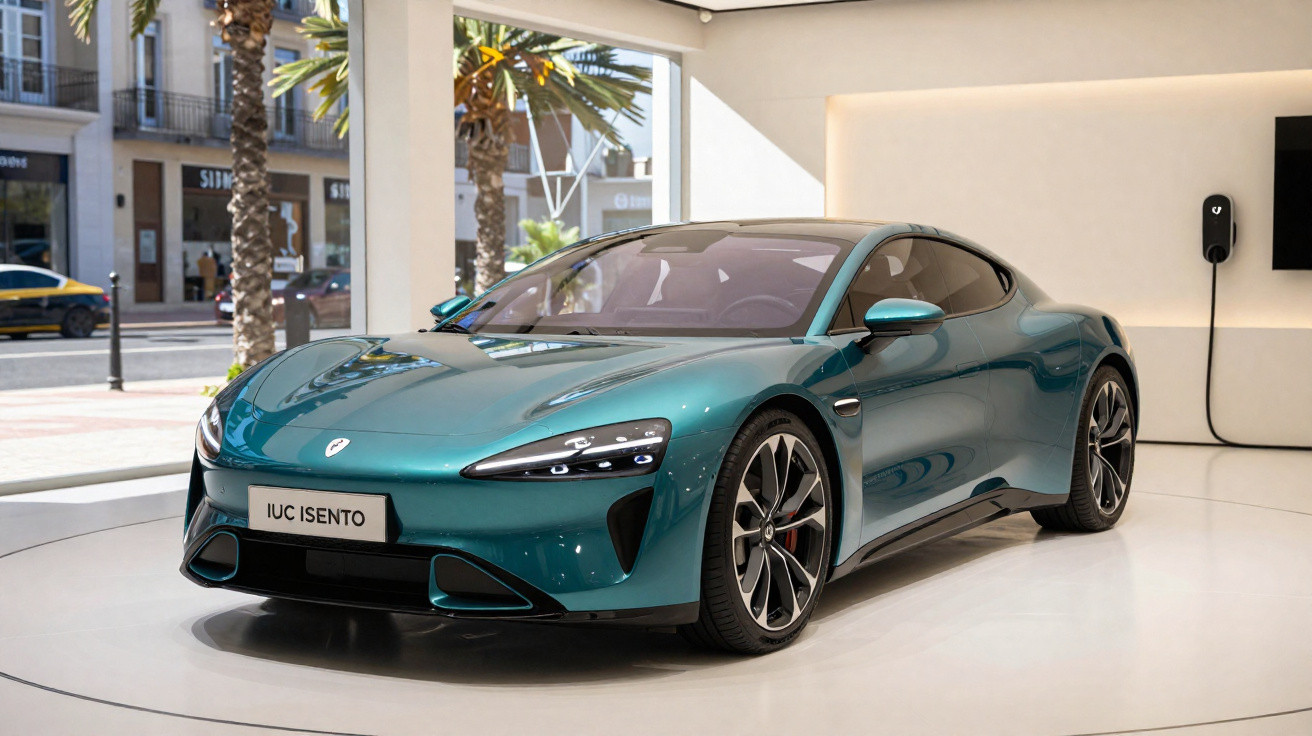
The Imposto Único de Circulação (IUC) has been the subject of repeated debate and is about to move into a new phase in Portugal, with changes to the payment calendar that are set to reshape how millions of drivers view this annual tax.
Until now, IUC was paid in the month of the vehicle’s registration, spreading payments across the year and, for many people, remaining out of sight until a reminder arrived from the tax office. Under the new rules, payments become more concentrated, which should make administration easier… but also means everything may land in a single annual “bill”.
Because this is a tax that applies to ownership - rather than the vehicle’s actual use on the road - the exceptions matter as much as the general rule. And there are more exemption scenarios than many drivers expect.
These rules are set out in the IUC Code, in Article 5 and Chapter IV, where both the exemptions and the conditions for qualifying as exempt are listed.
Electric cars
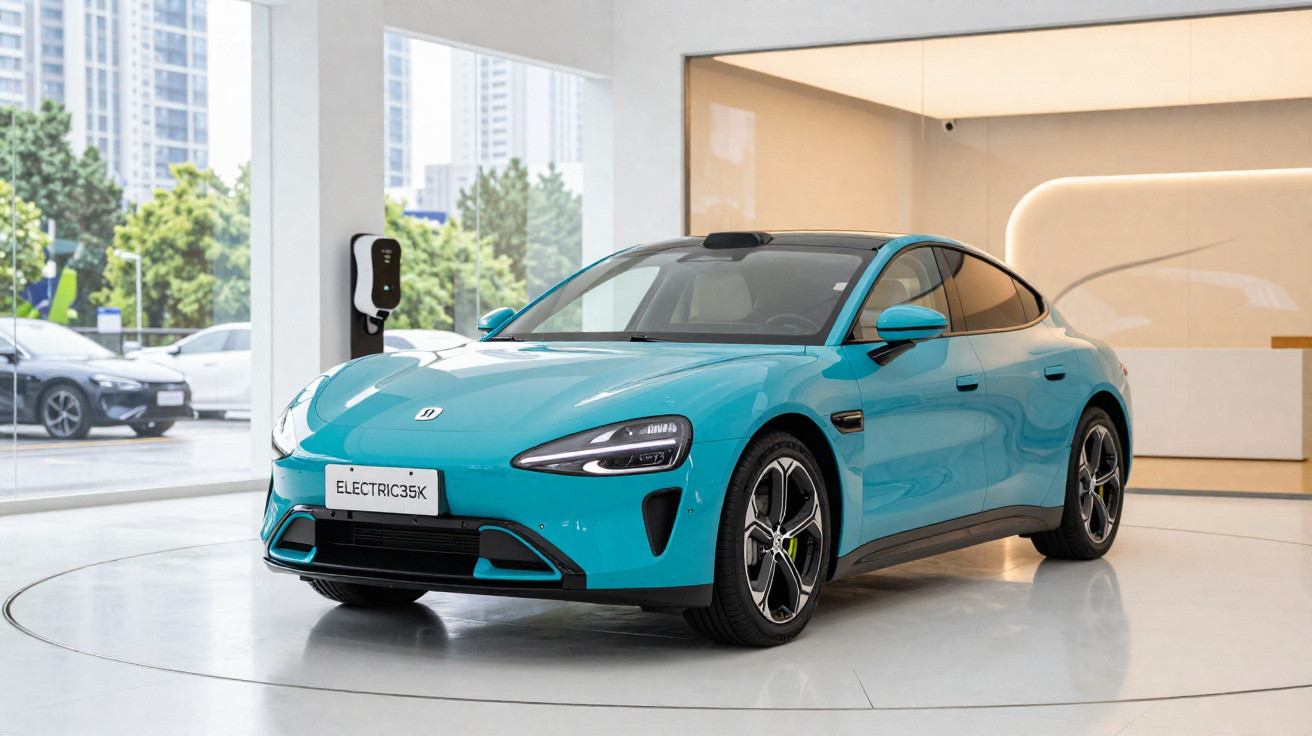
Starting with what is not exactly new: electric cars. Even so, this exemption applies only to vehicles powered exclusively by electricity.
Hybrid and plug-in hybrid vehicles still pay the tax, but because they produce lower emissions, they are charged a reduced amount compared with vehicles that run solely on internal combustion.
People with disabilities
Citizens assessed with a degree of disability of 60% or more may also have their vehicles exempt from IUC, provided they meet the legal criteria.
This exemption is limited to one vehicle per beneficiary and requires documentary proof of disability. There are also caps linked to the vehicle’s emissions.
For example, for a Category B vehicle (light passenger vehicles, mixed-use vehicles or light goods vehicles first registered from 1 July 2007 onwards), emissions must not exceed 180 g/km (NEDC) or 205 g/km (WLTP).
What about classic cars?
Contrary to what many people assume, classic cars are not automatically exempt from IUC - not least because the very definition of a “classic” can differ. According to FIVA (Fédération Internationale des Véhicules Anciens), the status is not based only on age; it also depends on factors such as technical and aesthetic value, historical importance, rarity, or even a model’s emotional significance.
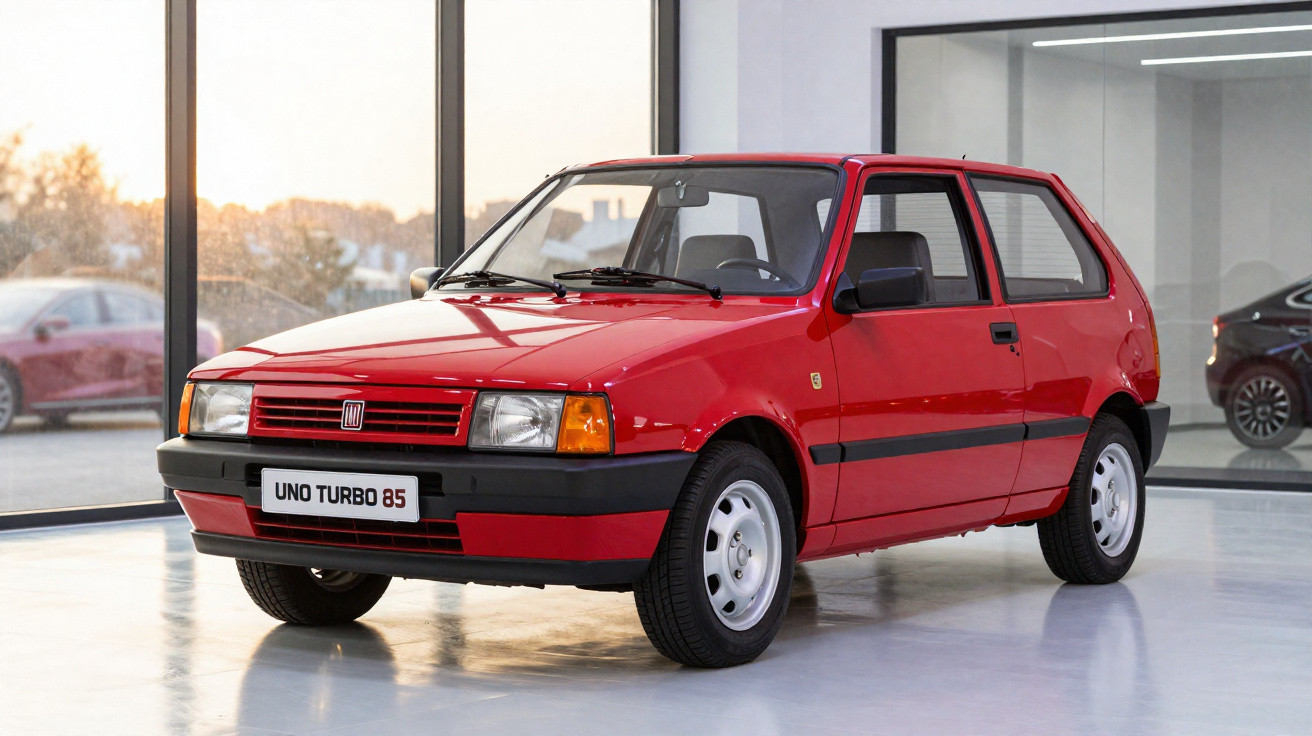
Even so, some of these vehicles can qualify for an IUC exemption. To do so, they must satisfy several legal requirements: being more than 30 years old, being part of public collections or museums, being used only occasionally, and not exceeding 500 km per year.
There are more exceptions
The law also provides exemptions for various public-service vehicles, including:
- Vehicles belonging to central, regional and local government;
- Vehicles used by the armed forces and security forces;
- Fire and civil protection vehicles;
- Diplomatic and consular cars and motorcycles;
- Vehicles of international organisations and European agencies;
- Non-motorised vehicles;
- Special goods vehicles with no transport capacity;
- Ambulances and vehicles for transporting patients;
- Funeral vehicles;
- Agricultural tractors;
- Taxis and TVDE vehicles (subject to emissions limits);
- Vehicles seized in criminal proceedings;
- Abandoned vehicles acquired by the State or local authorities;
- Vehicles declared forfeited to the State;
- Vehicles used by forest firefighting teams;
- Vehicles operated by Private Social Solidarity Institutions (IPSS);
- Transport vehicles in the autonomous regions (partial exemption of 50%);
- Vehicles used for travelling fairground entertainment and the performing arts (partial exemption of 50%);
- Vehicles registered in another Member State under a temporary admission arrangement.
In addition, where the tax due is less than 10 euros, no payment is owed and no collection is made, as set out in paragraph 6 of Article 16 of the IUC Code.
One situation covered by this includes motorcycles, mopeds, tricycles and quadricycles with engine capacity up to 350 cm³.
Pay close attention to the conditions
IUC rules can differ depending on the type of vehicle, the registration date and how it is used, so it is sensible to confirm your position with the Portuguese Tax and Customs Authority.
In many situations, the exemption is not automatic and depends on recognition by the Tax Authority. Furthermore, failing to comply with the legal requirements can lead to the benefit being withdrawn and the outstanding tax being charged.
The full rules can be checked in Article 5 of the IUC Code, published in Portugal’s Official Gazette.


Comments
No comments yet. Be the first to comment!
Leave a Comment