
Five-star outcomes in the latest Euro NCAP tests
Overall, the newest Euro NCAP test round delivered very encouraging results, even though the line-up of seven vehicles included a pick-up.
Pick-ups have not, by “tradition”, been the easiest vehicles to push to the very top of the safety charts-although progress in this area is clearly visible-but the ISUZU D-Max stood out, securing five stars with strong scores across every assessment area.
Euro NCAP vehicle compatibility and heavy vehicles
This positive verdict also mirrors the findings published earlier in the year by ANCAP (Australasia NCAP). Even so, Euro NCAP needed to repeat certain tests to ensure the rating was valid and directly comparable for Europe. That said, because of its design (a ladder-frame chassis with longitudinal rails and crossmembers) and, above all, its mass, the D-Max proved “aggressive” towards other vehicles in a crash, which cost it a number of points.
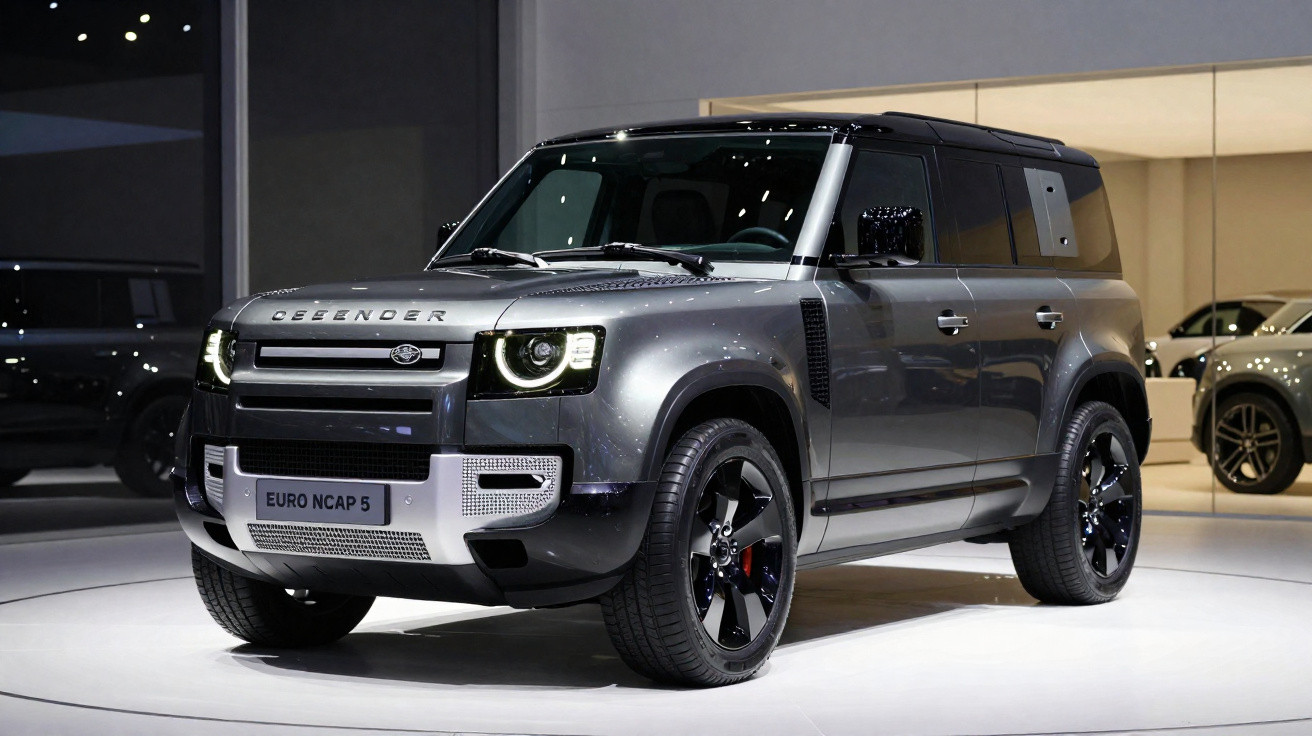
Staying with the “heavyweights”, the Land Rover Defender also achieved the sought-after five-star rating. Like the D-Max, however, its overall result was partly dragged down by its high mass, which makes it less compatible with other vehicles in the event of a collision.
Vehicle-to-vehicle compatibility was the main theme of this test round, and it is also one of the reasons Euro NCAP included it in the latest revision of its protocols-an aspect that is now formally assessed. Both the ISUZU D-Max and the Land Rover Defender saw their ratings reduced due to poorer compatibility with other vehicles when the worst happens, as noted by Michiel van Ratingen, Euro NCAP’s Secretary General.
The other model in this group that is not quite such a “heavyweight”, the Kia Sorento, also managed a five-star rating. It is the largest SUV the South Korean brand sells in Europe-while in North America it also offers the larger Telluride, for example, the current World Car of the Year-and this new fourth generation is Kia’s first to introduce safety equipment such as a front centre airbag. Even with five stars, however, Euro NCAP highlighted a downside: the score in the offset frontal collision test.
“Siblings”
The Audi A3 Sportback and the SEAT Leon use the same MQB platform and come with the same safety equipment. It is therefore no surprise that their results closely match, with both models reaching five stars. Each one also shows progress versus the other “sibling”, the Volkswagen Golf 8, which was tested in 2019, as both now arrive with a front centre airbag.
Even so, the SEAT Leon edges ahead of its Audi A3 “sibling” by a small margin in several assessment areas: adult occupant protection, child occupant protection, and protection for vulnerable road users (pedestrians and cyclists). Euro NCAP points to the Leon’s front-end design-described as more compatible-as the main reason for this advantage.
The smallest cars
Finally, and no less important, the smallest models in the test programme also posted positive outcomes, despite neither of them managing to reach five stars. The Honda e had its rating held back by the absence of some more advanced safety equipment-for example, the front centre airbag that is present in the new Honda Jazz-yet it still achieved four stars.
The Hyundai i10, the smallest vehicle tested, recorded a respectable three-star result. It was affected both by missing equipment and by the more limited performance of other systems, such as autonomous emergency braking.
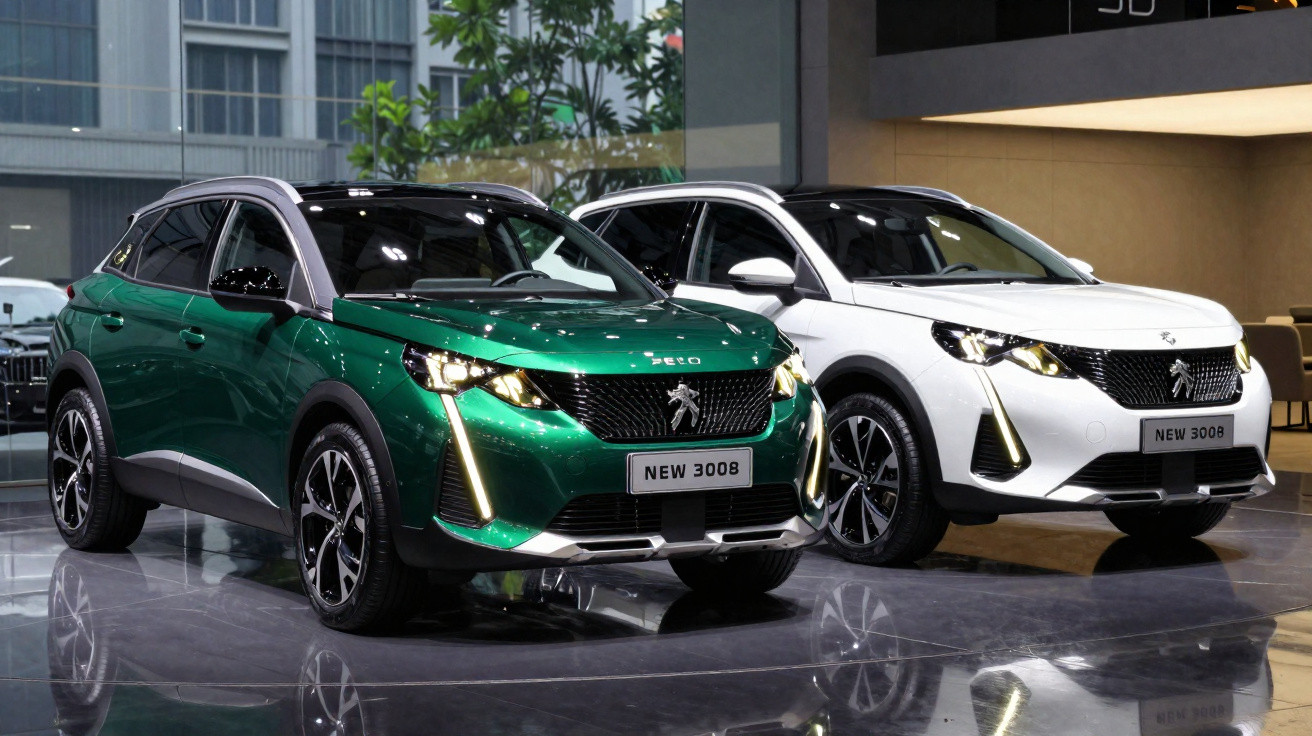
Euro NCAP also tested electrified (hybrid and electric) versions of some models assessed in the past-Renault Captur E-Tech, Peugeot 3008 Hybrid, Peugeot 508 Hybrid and Peugeot e-208-which are now covered by the same ratings as their combustion-engined counterparts.
Comments
No comments yet. Be the first to comment!
Leave a Comment