
Hyundai’s hydrogen roadmap to 2040
After stating that, from 2035, it will sell only 100% electric cars in Europe, Hyundai has now formally set out a further ambition: to make hydrogen mainstream by 2040 and to begin mass production of fuel-cell electric vehicles (FCEVs).
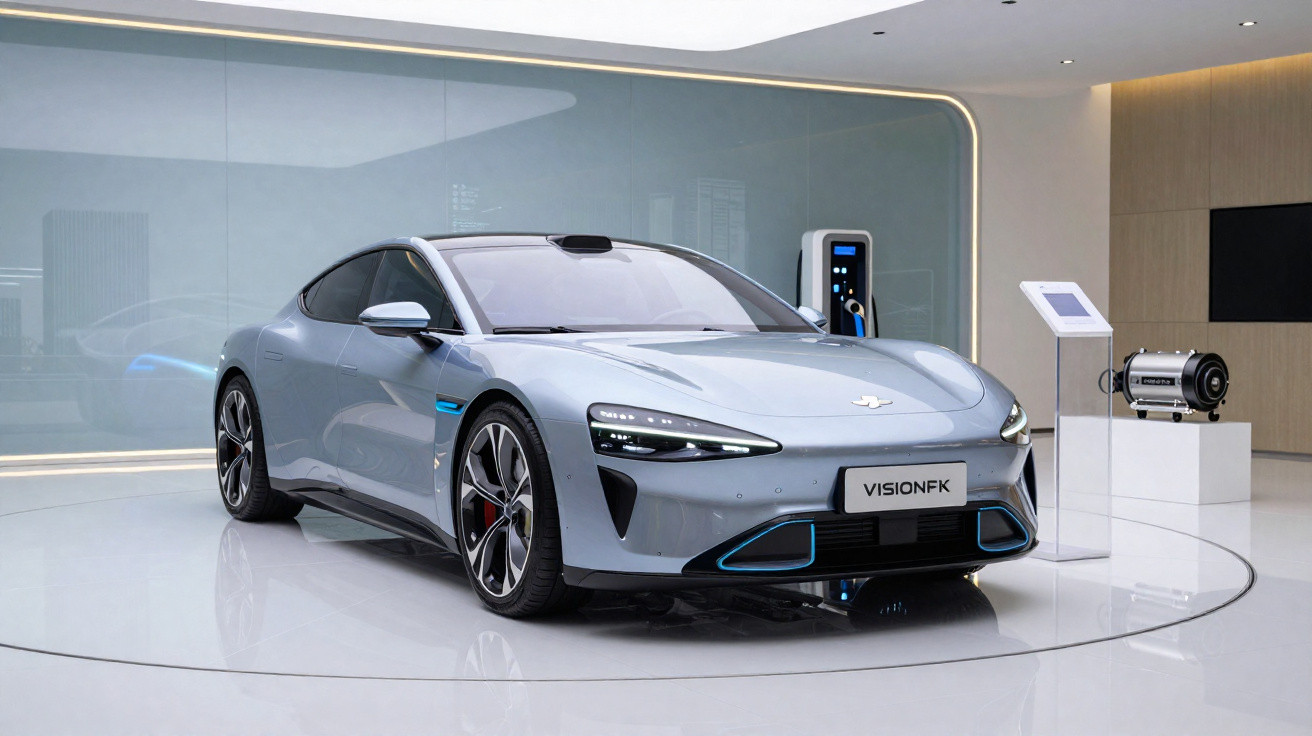
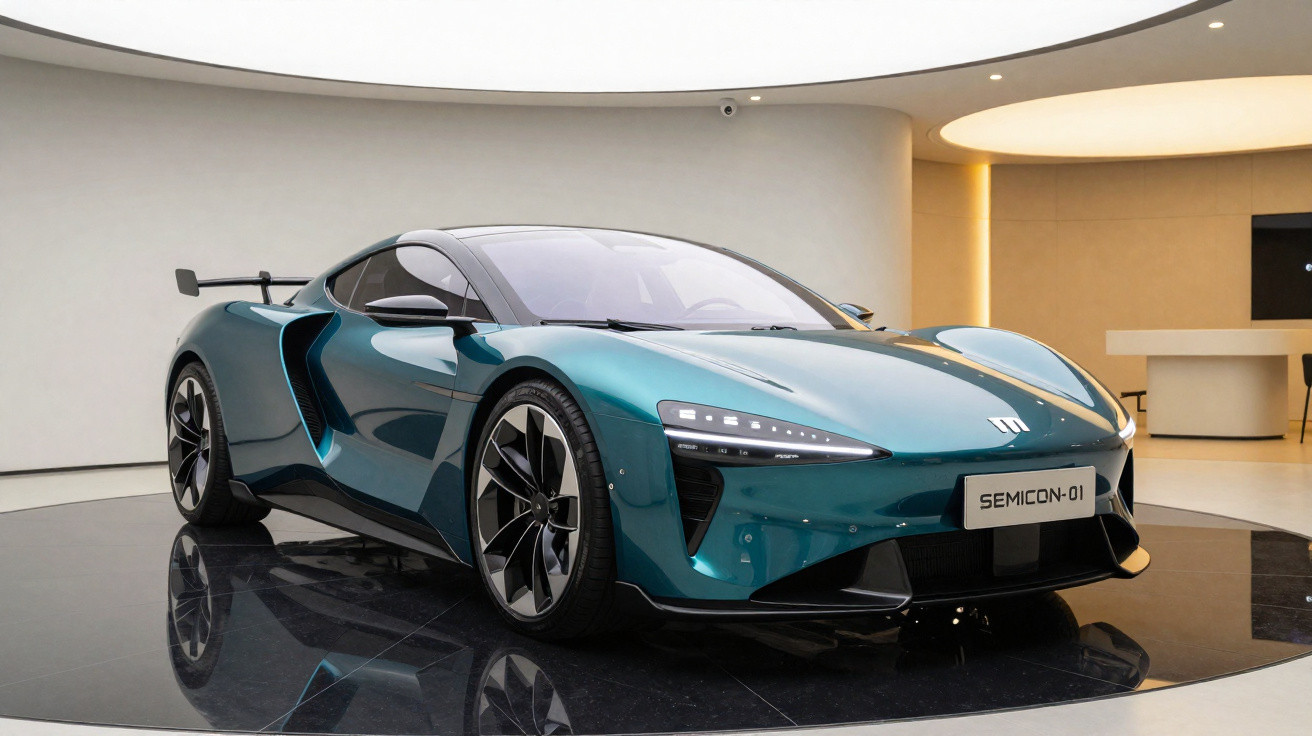
Hyundai expects the purchase price of an FCEV to become comparable with that of a battery-electric vehicle (BEV) by 2030. The brand also wants to spearhead this hydrogen-driven push in the passenger car market, starting with a new hybrid sports model previewed by the Vision FK concept shown here.
Vision FK: Hyundai hydrogen hybrid sports car
Positioned as a key part of Hyundai’s hydrogen strategy, the Vision FK pairs a fuel-cell system with an electric drivetrain developed by Rimac - the Croatian company in which Hyundai Motor Group holds 12% - and that system drives only the rear axle.
If this layout carries over to a production model, it would mark the first time this particular hybrid solution has been used.
To give extra substance to this unusual proposal, the headline figures announced for the prototype are notably strong: more than 680 cv of power, more than 600 km of range, and a 0 to 100 km/h sprint in under 4.0 seconds.
It is also worth noting that Hyundai had previously hinted that some future models from its “N” division would adopt fuel-cell systems. The Vision FK is therefore another sign that this is likely to happen - most probably via a hybrid arrangement like the one underpinning this concept, combining a fuel cell with a battery.
According to Albert Biermann, the “boss” of Hyundai’s “N” division, the Vision FK is a kind of “rolling laboratory”. So, even if this concept never results in a direct production equivalent, it is still expected to pass on many solutions and ideas to future models from the South Korean manufacturer.
Hyundai has not, however, provided any timeline for producing the Vision FK, nor has it indicated when this hybrid approach might spread to other models in the range. Even so, with a prototype of the IONIQ 5 N recently “spotted” during testing, rumours suggest this technology could be closer to reality than many expect.
Fuel-cell technology: Nexo and the next-generation system
Also confirmed are plans for a very substantial update to the Nexo in 2023 - a model that Guilherme Costa has already had the chance to drive. The Nexo uses Hyundai’s second-generation fuel-cell technology, following the first generation that arrived in 2013 with the ix35.
Next comes the third evolution of this technology. It will be offered in two power levels: 100 kW (136 cv) and 200 kW (272 cv). The lower-output system is said to be 30% smaller than Hyundai’s current set-up and is intended for use across a broad range of vehicles, while the higher-output version will be reserved exclusively for commercial vehicles.
Hydrogen for commercial vehicles: XCIENT Fuel Cell and Trailer Drone
Building on this, Hyundai also confirmed that, from 2028, all of its commercial vehicles will have a fuel-cell version - which is hardly surprising.
Its XCIENT Fuel Cell is already in operation in Switzerland (and is due to reach other European countries in 2022) and was the world’s first mass-produced fuel-cell lorry.
Hyundai also has further projects in motion aimed at making hydrogen the primary energy source in the commercial vehicle sector. The Trailer Drone prototype signals these intentions, as it is an autonomous hydrogen-powered transport system with a range of more than 1000 km.
By 2040, Hyundai believes hydrogen will be used not only for mobility solutions, but also as an energy source for other industries and sectors.

Comments
No comments yet. Be the first to comment!
Leave a Comment