
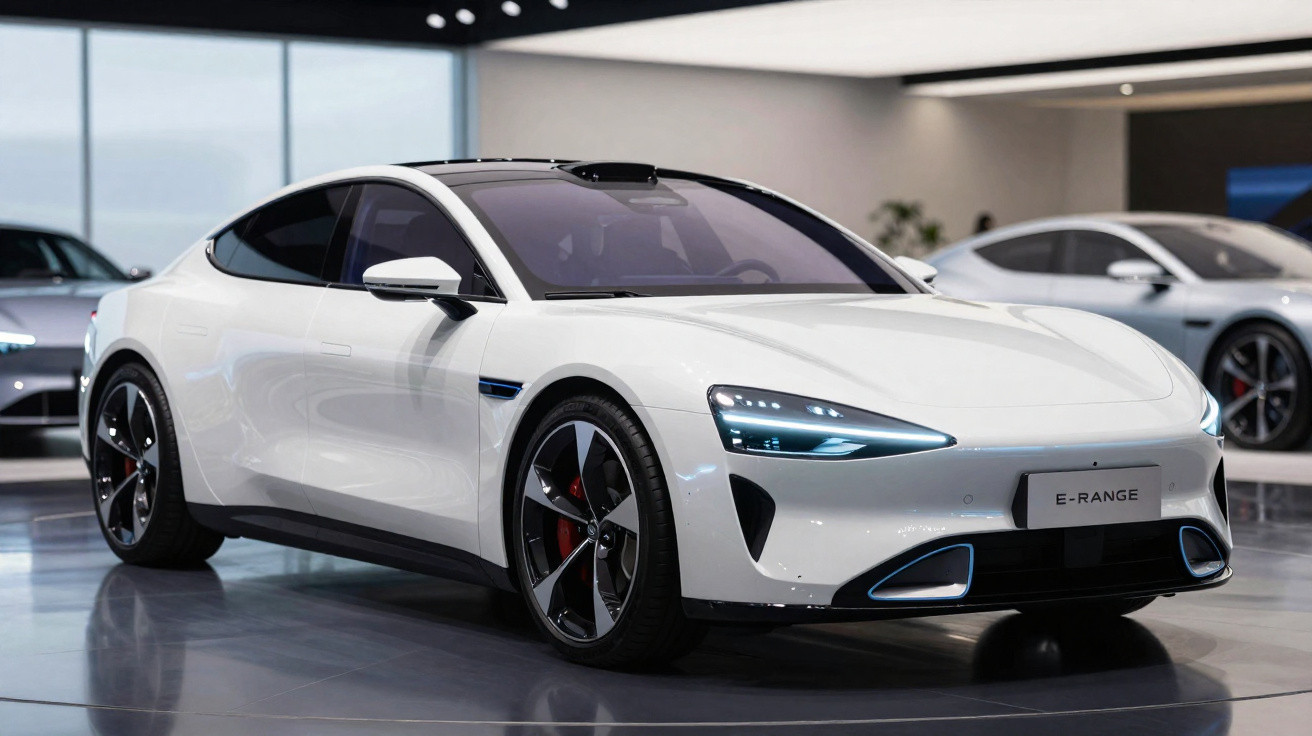
Electric cars have progressed at a remarkable pace. It is worth remembering that roughly 20 years ago, getting a battery-powered car to travel 115 km on a single charge (as the Nissan Hypermini managed) was considered notable. Today, by contrast, there are electric models capable of covering more than 400 km between charges.
Even so, driving range (or the lack of it), along with charging times, is still widely seen as one of the biggest drawbacks of electric cars-and some people refuse to buy one for precisely these reasons.
Just as there are ways to cut fuel consumption (and extend range) in combustion vehicles, there are also practical habits that help electric cars go further. To reduce range anxiety and squeeze a few extra kilometres out of each battery charge, here is a set of tips to help you do exactly that.
1. Drive smoothly
This advice applies to any vehicle. The heavier your right foot, the more energy you will use (whether electricity or fossil fuels) and the fewer kilometres you will get.
It can be hard to resist flooring the accelerator from a standstill in an electric car, especially with instant torque on tap. But the more often you do it, the sooner you will need to stop and recharge. Set off gently and steer clear of aggressive driving.
2. Slow down
Whenever you can, aim to drive at a lower pace and keep your speed under 100 km/h. Doing so helps extend your electric car’s range. According to a study by the United States Department of Energy, cutting average speed by about 16 km/h increases range by around 14%.
Also, if your electric car offers multiple driving modes, it is better to choose “Eco” rather than “Sport”. What you give up in acceleration and performance, you gain back in range.
3. Use regenerative braking
As you know, electric cars can recover energy when they slow down thanks to regenerative braking. So, when approaching traffic lights or preparing to stop, try to let the regenerative system do most of the decelerating rather than relying immediately on the friction brakes.
If your car allows it, it is also worth adjusting the setup of the regenerative braking system to capture as much energy as possible. That way, you can claw back some of the energy lost when pulling away.
4. Use the cabin pre-heating function
Turning on the cabin heater in an electric car (especially at maximum) draws a significant amount of energy from the battery. To save power, it is usually better to use heated seats and a heated steering wheel (if fitted), as these consume less energy.
Another approach is to pre-heat the car while it is still plugged in, which reduces how much heating you need while driving.
Like heating, air conditioning can also “devour” energy, so the ideal is to use it as little as possible. Opening the windows may be a good alternative, but be careful: only at lower speeds, because at higher speeds open windows harm aerodynamics and can reduce range as well.
If you genuinely need air conditioning, consider running it while the car is still charging, so you are less dependent on it once you are on the road.
5. Check tyre pressure
Studies suggest that around 25% of cars are driven with incorrect tyre pressure, and electric cars are no exception. As you know, tyres that are under-inflated increase energy consumption. On top of that, low pressure can cause premature and uneven wear, and overheating that can even lead to a blowout.
To prevent these issues and improve range, check tyre pressures regularly and top them up whenever needed according to the manufacturer’s specifications (these are typically shown on a sticker inside the driver’s door).
6. Reduce onboard weight
One of the most effective ways to improve a vehicle’s efficiency is to remove excess weight-and that includes electric cars. So avoid carrying unnecessary items in the boot or scattered around the cabin. By doing this, range can increase by 1 to 2%.
7. Learn how to charge the battery
Contrary to what you might assume, keeping the battery plugged in all the time while the car sits in the garage may not be the best idea. The reason is that most batteries used in electric cars tend to begin slowly discharging once charging has finished.
For that reason, it is best for charging to end just before you set off on your journey. Doing so can also improve the battery’s average lifespan.
8. Plan the trip
Sometimes the quickest route is not the most efficient. For instance, you may achieve better range by travelling on a national road (because you drive more slowly and the energy regeneration system has more chances to do its job) than on a motorway, where you are constantly accelerating and using energy.
At the same time, it is wise to avoid very hilly areas or heavy traffic, because both conditions also reduce range. The best option is to plan ahead: it not only helps you steer clear of energy-hungry routes, but also lets you map out places where you can charge the car.
9. Preserve aerodynamics
Electric cars are designed with aerodynamics as a priority. The less resistance they face from the air, the more efficient they are. So it makes sense not to undo the work of designers and engineers. In practice, that means avoiding roof bars or roof boxes that can harm aerodynamics and reduce range.


Comments
No comments yet. Be the first to comment!
Leave a Comment