
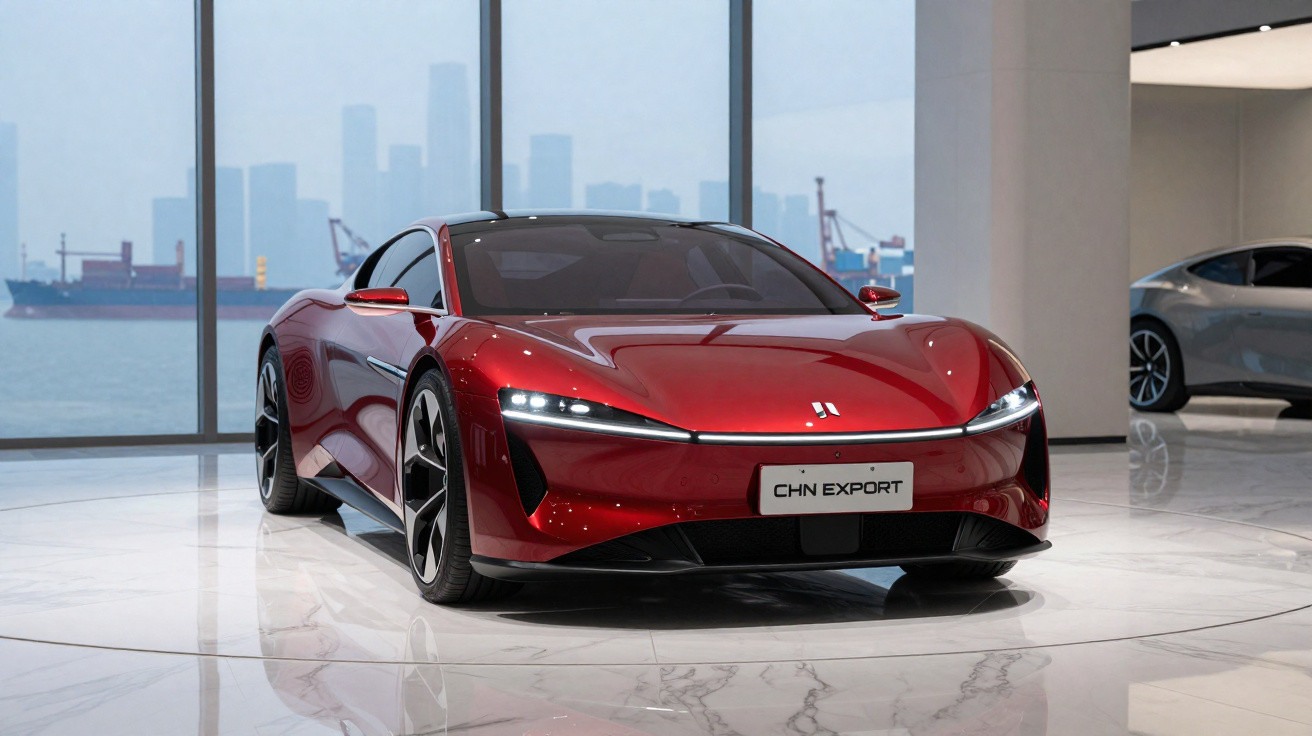
While Western markets fixate on the threat posed by Chinese electric vehicles, a different force is reshaping the global car industry: the “explosion” of China’s exports of internal-combustion cars to developing countries.
A Reuters investigation found that a number of Chinese carmakers-unable to shift their petrol models at home as electric mobility expands rapidly-are flooding developing countries and markets with fossil-fuelled vehicles. In most cases, these cars are being offered at lower prices than those of overseas rivals. Among the regions feeling the impact most are Eastern Europe, Latin America and Africa.
Between 2020 and 2025, petrol vehicles-excluding plug-in hybrids-accounted for roughly 76% of China’s automotive exports, with annual shipments climbing from about 1 million to more than 6.5 million this year, according to the Chinese consultancy Automobility.
Overcapacity driving exports
This surge is no accident. Over recent decades, China has built state-owned and private plants capable of producing up to 20 million petrol cars a year, often via joint ventures with foreign brands. As the domestic electric-vehicle market has “exploded”, helped by generous government subsidies, many of these conventional production lines have been left largely idle.
“This excess capacity is being redirected to the rest of the world,” said Bill Russo, Automobility’s chief executive. State-owned groups such as SAIC, BAIC, Dongfeng and Changan are using exports to keep production running and protect profits. At the same time, their foreign partners-including Volkswagen, General Motors and Nissan-are seeing sharp declines in sales.
“The fact that we are state-owned is the key,” said Jelte Vernooij, Dongfeng’s manager in Europe, pointing to support from the Chinese government as the main reason Chinese brands can keep going even as the domestic market for petrol cars contracts.
Impact on emerging markets
China’s push is intensifying pressure on long-established global brands. In countries such as Uruguay and Chile, Chinese petrol cars already far outnumber electric models, underlining a strategy built around utilising surplus capacity at home. Mexico is now the biggest destination for Chinese exports, although it has recently increased import tariffs on Chinese cars from 20% to 50%.
According to Nic Thomas, Changan’s marketing director for Europe, choosing fossil-fuel vehicles for exports is a practical decision: “We can tailor our line-up to each market. These are the easiest cars to sell in markets where infrastructure for electric vehicles is still limited.”
Forecasts for the coming years
Consultancy AlixPartners estimates that annual sales by Chinese manufacturers outside their home market will rise to around four million vehicles by 2030, taking meaningful shares in South America, the Middle East, Africa and South-East Asia.
Chinese companies are expected to control 30% of the global automotive industry within five years. “This growth will come at the expense of everyone else,” warned Stephen Dyer, AlixPartners’ co-leader in China.
Comments
No comments yet. Be the first to comment!
Leave a Comment