
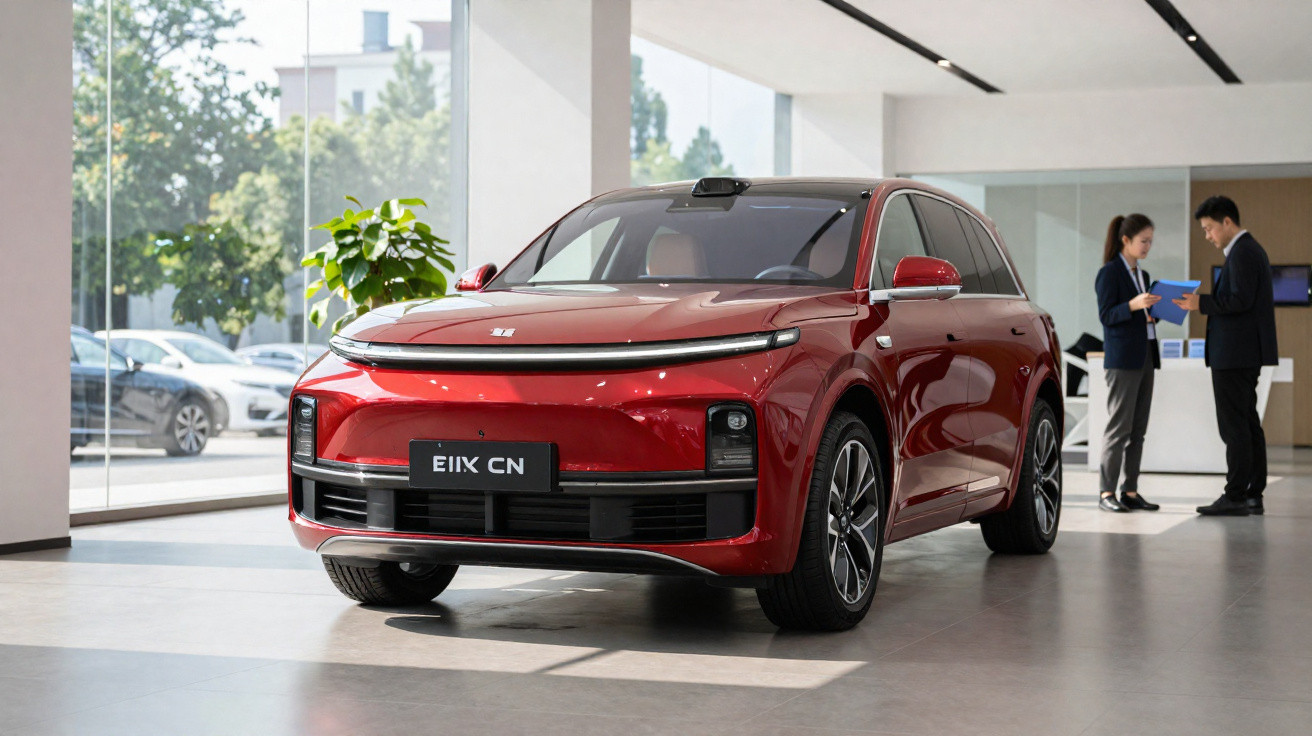
China’s government policy-the same policy that helped make Chinese electric cars so competitive-is now aiming to cool the market and ensure domestic manufacturers do not push things too far. The latest idea on the table is to curb acceleration performance.
Beijing reins in Chinese electric cars and the price war
Chinese car brands are increasingly alarming Europe’s established manufacturers-and they are also causing concern in Beijing. After providing substantial subsidies to speed up innovation and boost competitiveness, the authorities have watched brands descend into a price war that the Chinese leadership clearly does not welcome.
Alongside tougher oversight to prevent excesses, Xi Jinping’s newer approach is framed as a long-term strategy that also seeks to protect the reputation of Chinese cars. In that spirit, manufacturers are being discouraged from using terms such as “autonomous driving” or “smart driving” when the feature in question is merely driver assistance.
China proposes a 5-second limit for 0–100 km/h acceleration
Those moves are not the end of it. The most recent proposal is a limit on how quickly cars can accelerate: 5 seconds.
China would like all cars sold domestically to be unable to complete the 0 to 100 km/h sprint in less than 5 seconds, presenting the measure as a way to improve road safety. The requirement is referenced in the latest draft of national standards, titled “Technical specifications for the safety of motor vehicles travelling on roads”, published by China’s Ministry of Public Security on 10 November.
Read also: BYD, 5 years before the automotive revolution
Would Chinese cars be capped only when pulling away?
It remains uncertain whether the Ministry intends the acceleration cap to apply at all times, or whether it would only restrict performance in the first moments after the vehicle is started. The draft appears primarily aimed at uncontrolled acceleration immediately after the vehicle is powered on, involving drivers who did not fully anticipate their car’s capabilities.
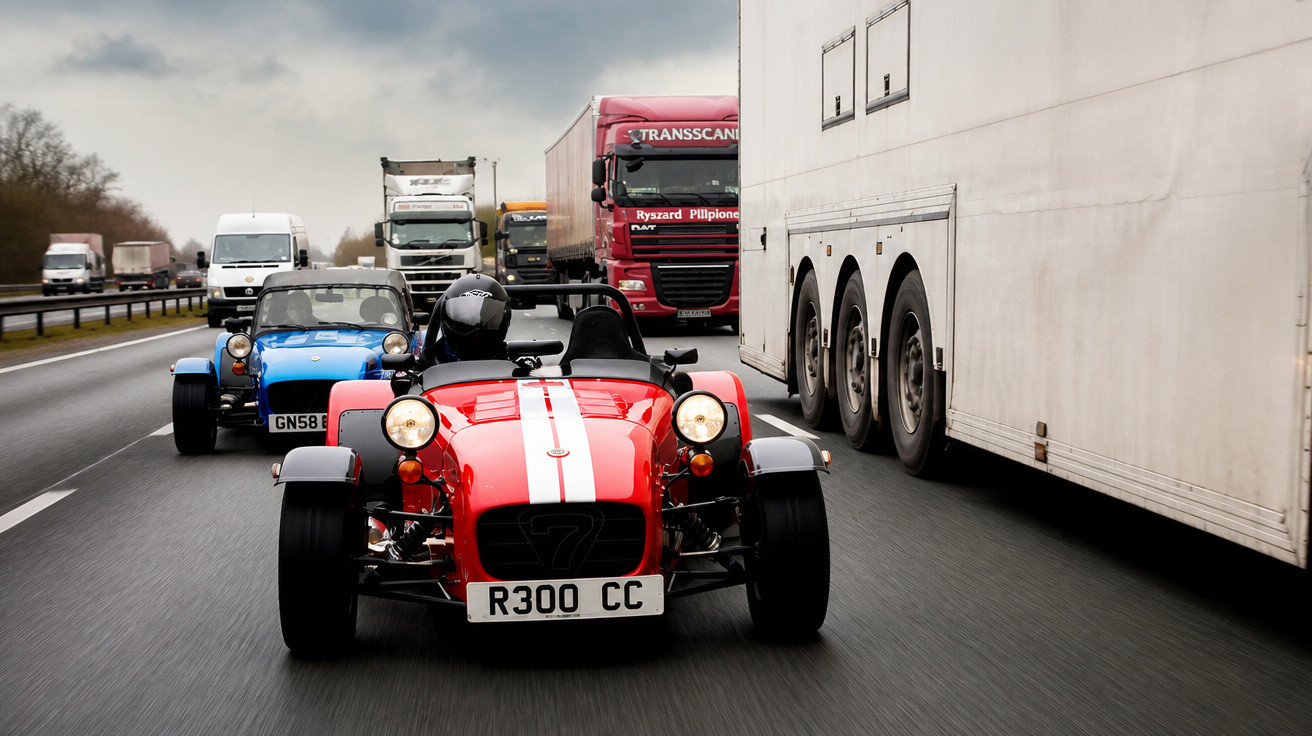
With the rise of electric motors, 0–100 km/h times under 5 seconds have become commonplace-whereas, with combustion engines, achieving that kind of performance typically required very high power outputs and was largely the preserve of sports cars.
“The objective of operating vehicles in a default state with reduced acceleration performance immediately after start-up is to encourage drivers to consciously perform certain actions when using high-acceleration modes, thereby improving their preparedness for driving”, the note explains, as cited by CnEVPost, a specialist outlet covering China’s automotive sector.
A broader pivot in China’s industrial priorities
For now, the automotive industry has slipped down the government’s list of priorities. Beijing’s next five-year plan (2026–2030) is expected to channel investment into other strategic sectors for the country’s future-particularly energy (including nuclear and bio-manufacturing), artificial intelligence, and supercomputers (including quantum technologies).
Automotive subsidies will continue, but more at provincial level and targeted at consumers, to encourage the switch to electric-now largely outside the biggest cities, many of which have already moved overwhelmingly towards electric vehicles.

Comments
No comments yet. Be the first to comment!
Leave a Comment