
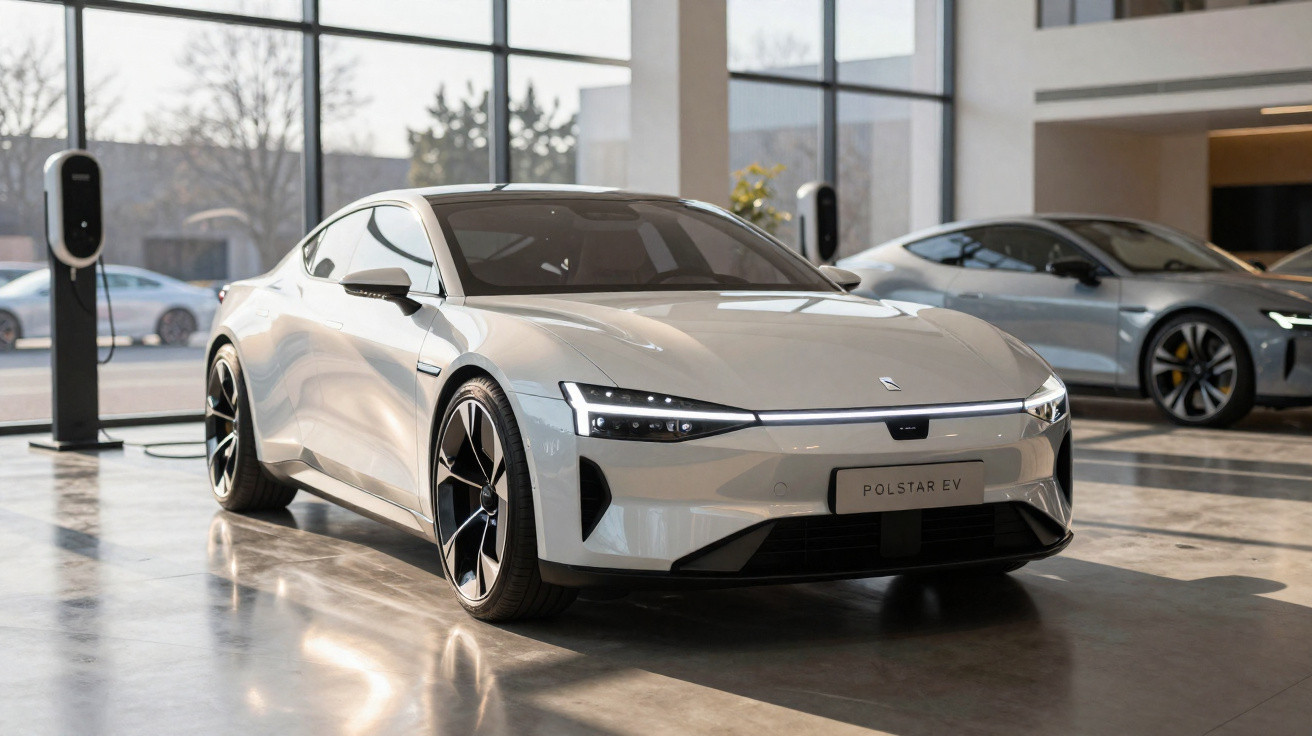
For years, the Polestar 2 served as the public face of the brand. It was a one-model line-up with a single objective: to take on the Tesla Model 3 and give a still-developing marque real visibility.
That plan worked - but it was only the starting point. The picture is now very different. The range has expanded, deliveries have kept pace, and Polestar appears to be finally reaching meaningful scale. In 2025, it recorded its strongest year on record, with 60 119 vehicles sold - a 55.7% increase compared with the previous year.
A large share of that growth has an obvious driver: the Polestar 4. The “SUV coupé” quickly became the company’s most important model, and it is now preparing to welcome a new variant… with a rear window. It is just one element of the young brand’s biggest-ever product push, designed to keep sales rising and, at last, make the business sustainable.
Something like an estate
If any model explains where the brand stands today, it is the Polestar 4. It was the best-seller in 2025 and is now set to gain a new version, expected to arrive in the final quarter of 2026. Details remain limited for now, but one feature stands out: the return of the rear window.
On the current model, Polestar chose to do without it in the name of styling and aerodynamic efficiency (which helped reduce overall height). It was a bold approach, but also a divisive one. This new variant looks set to take a more conventional route - but what exactly is it?
Polestar describes it as blending the space of an estate with the versatility of an SUV. All signs suggest the brand will steer the Polestar 4’s outline towards a more traditional shape, mixing estate-car practicality with SUV cues - effectively an estate car “with its trousers rolled up”.
Whatever label Polestar ultimately applies, design is expected to remain one of this new Polestar 4 variant’s strongest selling points. It is also likely to share the existing car’s 100 kWh battery and the same two powertrain choices (single- and dual-motor), with outputs of up to 400 kW (544 cv).
A flagship that signals ambition
If the Polestar 4 underpins growth, the Polestar 5 embodies ambition. And while the Polestar 2 helped build the brand, this new flagship aims to redefine it.
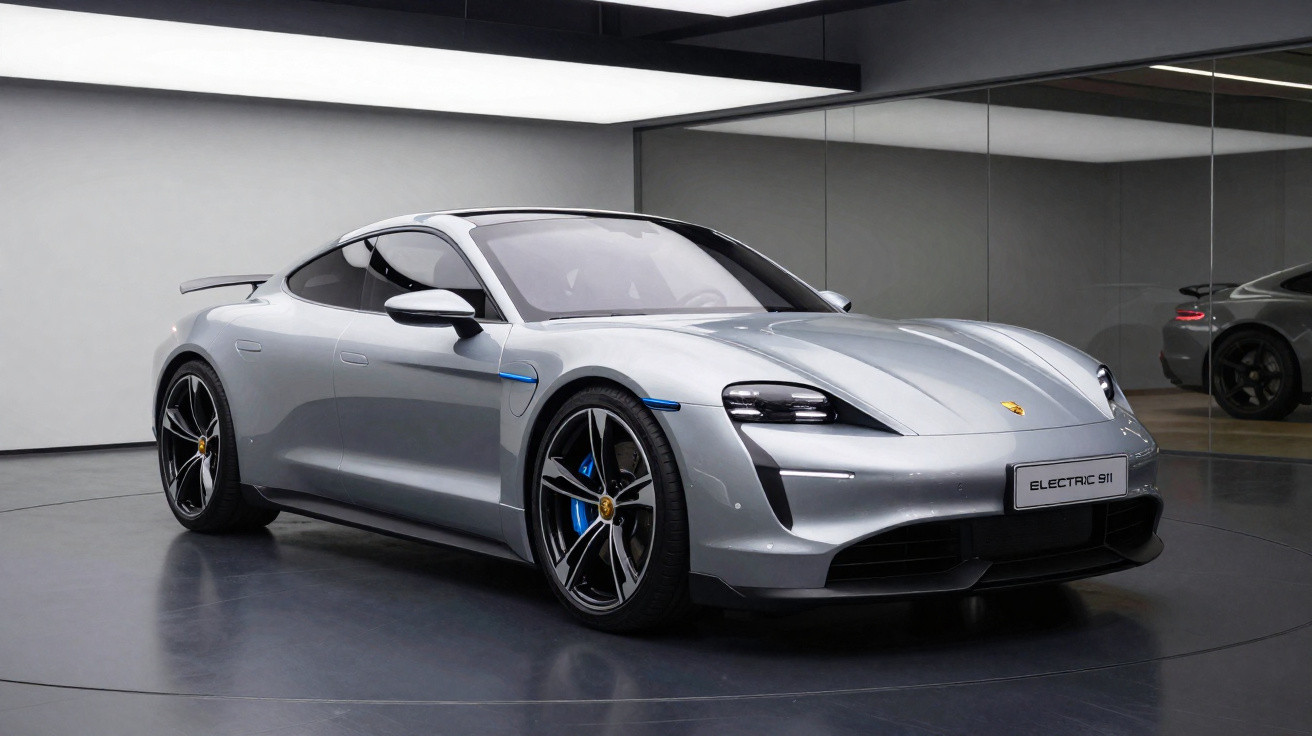
Rather than simply adding another model, it is a clear attempt to reposition Polestar closer to other premium brands in the market. The Polestar 5 also appears to have one specific benchmark firmly in sight: the Porsche Taycan.
To challenge it properly, Polestar is introducing an 800 V electrical architecture and fast-charging capability of up to 350 kW. Regardless of version - Dual Motor or Performance - it always uses two electric motors, with figures that can reach 650 kW (884 cv) and 1015 Nm.
Polestar’s sporty electric saloon can already be ordered in Portugal, with prices starting from 122 600 euros.
More news is coming - but not until next year
Polestar’s biggest-ever offensive continues in 2027 and 2028 with two models that could materially lift the brand’s sales. Confirmed already is the arrival of the second-generation Polestar 2, a car that will remain central to the line-up. Everything suggests it may drop the SUV-inspired cues and present itself as a true saloon, ready to take on options such as the new BMW i3.
A year later, the Polestar 7 is expected to arrive. Despite the name, it will not be a flagship. Instead, it will sit below the Polestar 2, targeting one of Europe’s most important segments and going up against models such as the BMW iX1 or the Audi Q4 e-tron.
It is with the Polestar 7 that this push should truly scale up. And that is what Polestar still needs: to move beyond being merely a fast-growing brand and become a sustainable one.
Comments
No comments yet. Be the first to comment!
Leave a Comment