
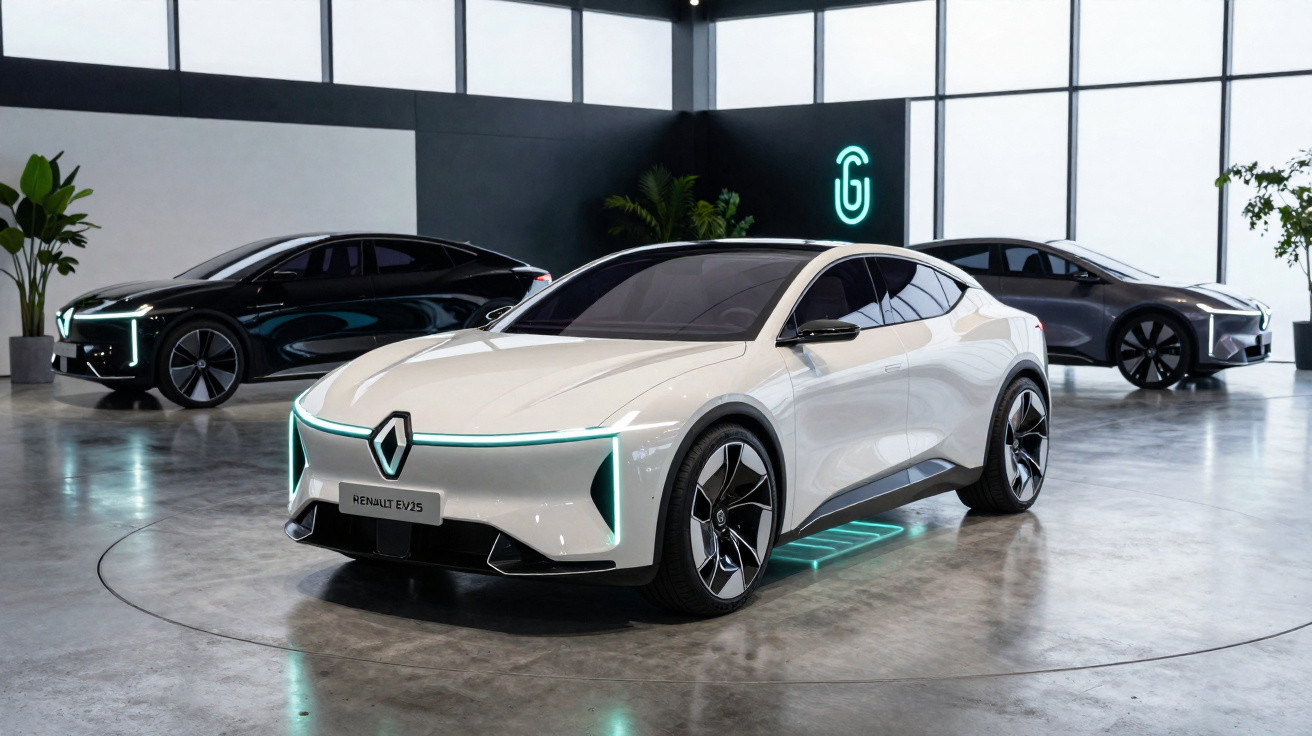
Renault Group is pressing ahead with its electric-vehicle strategy and has now confirmed plans to introduce 10 new 100% electric models by 2025, with seven of them wearing the Renault badge.
eWays plan and Renault Group’s electric-vehicle ambition
That target sits within the newly announced eWays strategic plan presented by Luca de Meo, Chief Executive Officer of Renault Group. Alongside new models, the programme also covers battery and technology development aimed at driving costs down.
During the digital event, Luca de Meo underlined that the French brand wants to be “one of the, if not the greenest in Europe”.
Renault 4Ever, Renault 5 and MéganE: revived names for new electric models
At the same presentation, Renault unveiled the 4Ever for the first time. This concept previews a future electric car positioned as a modern reimagining of the iconic Renault 4.
The Renault 4 is not the only historic nameplate set for a comeback in electric form. The Renault 5 is also confirmed for a 21st-century version, and Renault says it will cost about 33% less than the current ZOE, giving tangible form to the idea of making electric mobility more accessible.
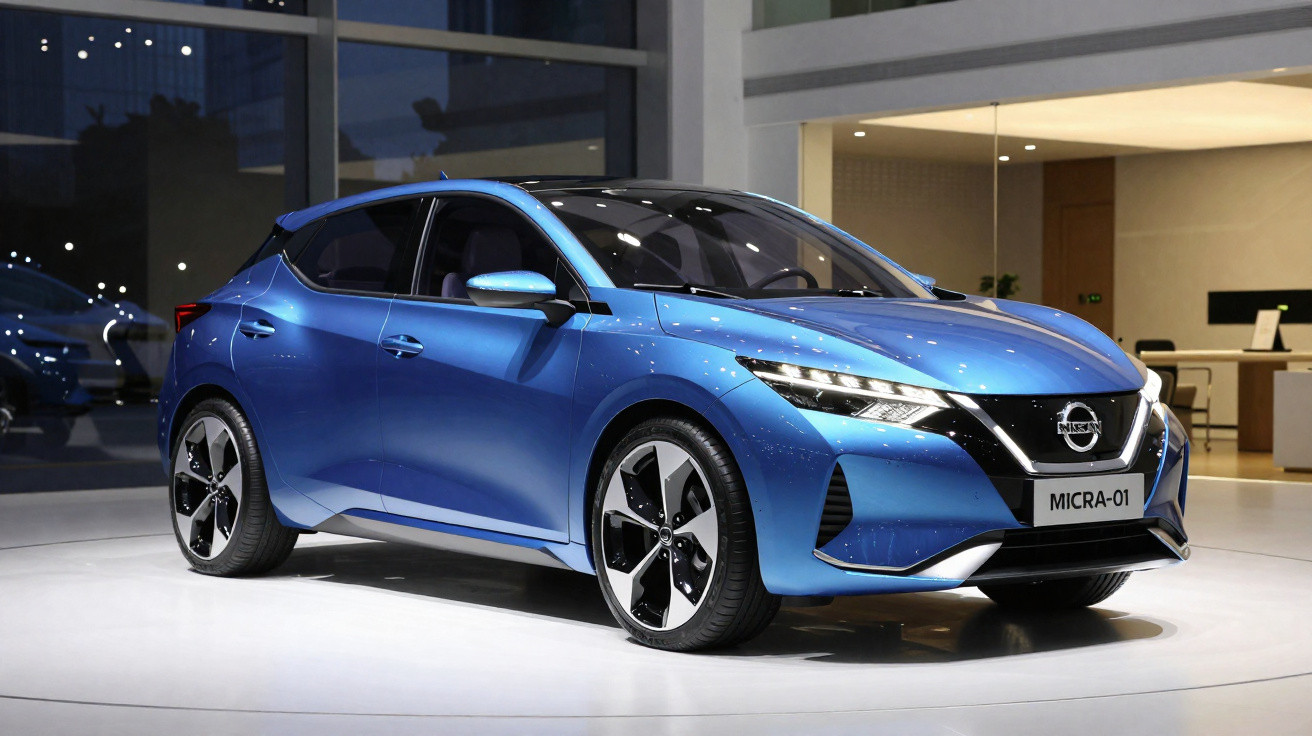
Alongside those two models comes another familiar name: MéganE. Built on the CMF-EV platform (the same architecture that will underpin Nissan’s new electric crossover), MéganE is due to start production in 2021 and will go on sale in 2022.
Native EV platforms
Renault Group’s electric range expansion will be built around dedicated electric-car platforms, specifically CMF-EV and CMF-BEV.
The first, CMF-EV, is aimed at the C and D segments and is expected to account for 700,000 units across the Renault–Nissan–Mitsubishi Alliance by 2025. With a claimed range of up to 580 km (WLTP), it is designed to deliver ideal weight distribution, direct steering, a low centre of gravity and a multi-link rear suspension.
The CMF-BEV platform, meanwhile, is intended for B-segment models with more affordable pricing and provides up to 400 km (WLTP) of electric range.
Halving battery costs again
Renault Group says it has cut battery costs by half over the last ten years, and it now aims to achieve the same reduction again over the next decade.
To support that goal, Renault Group has entered into a partnership with Envision AESC to develop a gigafactory in Douai, France, with capacity of 9 GWh in 2024, potentially rising to 24 GWh in 2030.
In addition, the group has signed a memorandum of understanding to become a shareholder in the French start-up Verkor, taking a stake of more than 20%. The intention is to build France’s first high-performance battery gigafactory, starting at 10 GWh and able to “grow” to 20 GWh in 2030.
Comments
No comments yet. Be the first to comment!
Leave a Comment