
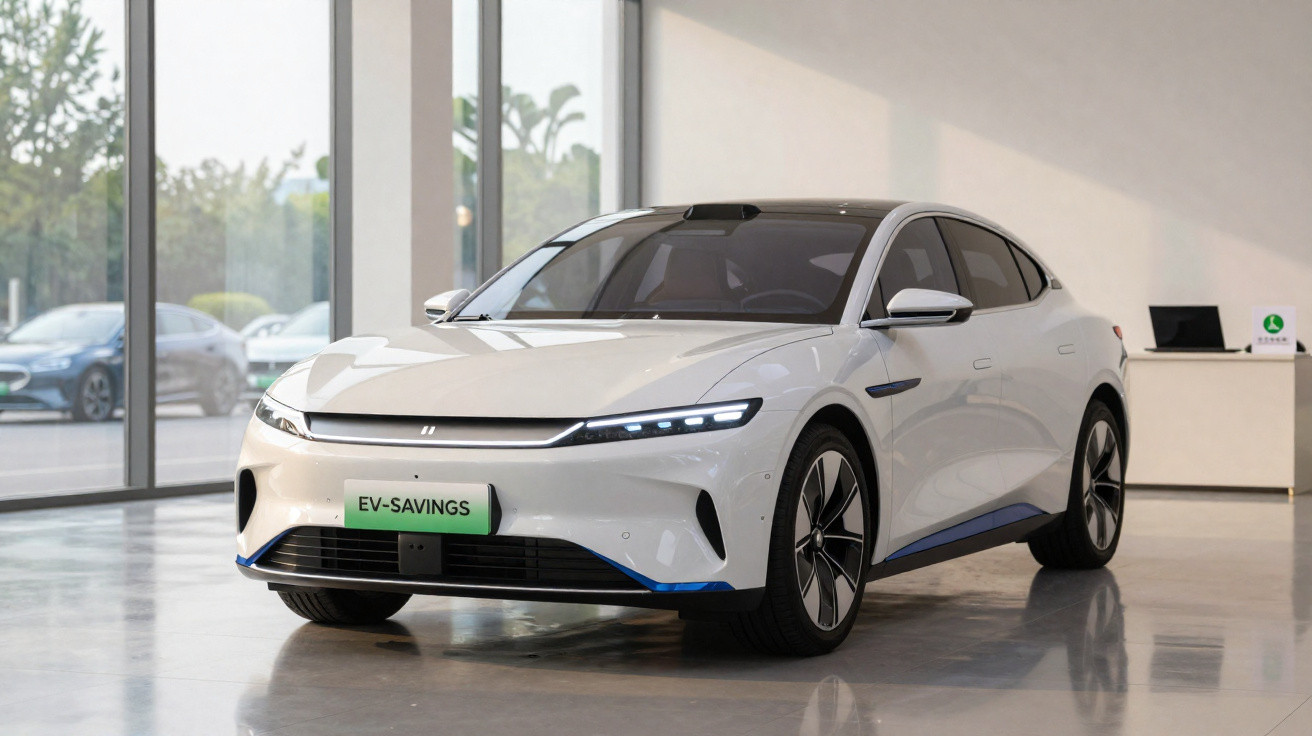
If you are thinking about buying a new car - especially if you are looking at electric vehicles - it is worth knowing that there are benefits and possible exemptions that can apply to you personally. Yes, this time it is about you as an individual, not your company.
Tax incentives can make a real difference to a household budget, so choices should be made with tax efficiency in mind.
With that in mind, the aim here is to help you improve that efficiency by explaining a tax benefit linked to buying electric vehicles. This support is not limited to company fleets: it is also available to private individuals.
Electric vehicles: the benefits
To illustrate, let’s say Mário wants to buy a new vehicle. Once he understands the benefits he can use, he may achieve a substantial saving.
This incentive is aimed at individuals who intend to purchase a brand-new, fully electric vehicle. In simple terms, the monetary incentives for electric vehicles are as follows:
| Description | Individuals | Companies |
|---|---|---|
| Passenger cars | 3000 € | 4000 € |
| Light commercial vehicles | 3000 € | 3000 € |
| Bicycles, electric motorcycles, electric mopeds and cargo bikes | 50% - limit up to 350 € | |
| Conventional bicycles | 10% - limit up to 100 € |
Eligibility rules for the electric vehicles incentive
Even so, you need to factor in these conditions:
- Each person can only use this incentive once (for a single purchase);
- You must keep the vehicle for a minimum period of 24 months;
- You are not allowed to export these vehicles;
How to apply via the Environmental Fund
To request the award, you must complete a form on the Environmental Fund website. Incentives are limited by the funds allocated and applications are ranked by the date the request is formally submitted.
ISV and IUC exemption: what changes by powertrain
That said, when it comes to ISV and IUC exemptions, there are additional details that may shape your decision:
- Fully electric cars: completely exempt from ISV and IUC.
- Imported used from the European Union: no tax is paid;
- Imported from outside the European Union: still no ISV or IUC is due, with only customs charges payable as part of the vehicle transaction.
- Hybrid or plug-in hybrid cars:
- IUC: not exempt from the tax.
- ISV for new vehicles or imported used vehicles: standard hybrids pay 60% of ISV and plug-in hybrids pay 25% of the amount.
Case study: Mário wants to save on his new car purchase
Mário therefore chose to buy a fully electric vehicle. The car in question cost around 60 000 euros. Because he was properly informed, he ended up using the tax benefits shown below. While chatting with his long-time friend, Damião, he decided to explain the saving he achieved from this purchase.
Damião was surprised, as he is preparing to buy a Diesel hybrid vehicle priced at 57 200 euros and had not been aware of these benefits. Mário then shared the following table with his friend to help him through the buying process:
| Description | Benefit | ISV | IUC |
|---|---|---|---|
| Electric vehicles | 3000 € | Exempt | Exempt |
| Hybrid vehicles | None | Subject to 60% of the amount | Subject |
| Plug-in hybrid vehicles | None | Subject to 25% of the amount | Subject |
| Diesel/petrol vehicles | None | Subject | Subject |
It is clearly possible - even as a private buyer - to reduce taxes by choosing certain types of vehicle, in this case electric vehicles. Environmental concerns appear to be a priority, and that is reflected in the tax benefits currently in place.
Article available on UWU.
Car taxation. Every month, here at Automobile Reason, there is an article from UWU Solutions about car taxation: news, changes, key questions, and the latest developments around this topic.
UWU Solutions began operating in January 2003 as a company providing accounting services. Over more than 15 years, it has recorded sustained growth, built on high service quality and customer satisfaction, which has made it possible to develop additional capabilities, namely in consultancy and human resources, following a Business Process Outsourcing (BPO) model.
UWU currently has 16 employees across its offices in Lisbon, Queen’s Springs, Greater River and Antwerp (Belgium).
Comments
No comments yet. Be the first to comment!
Leave a Comment