
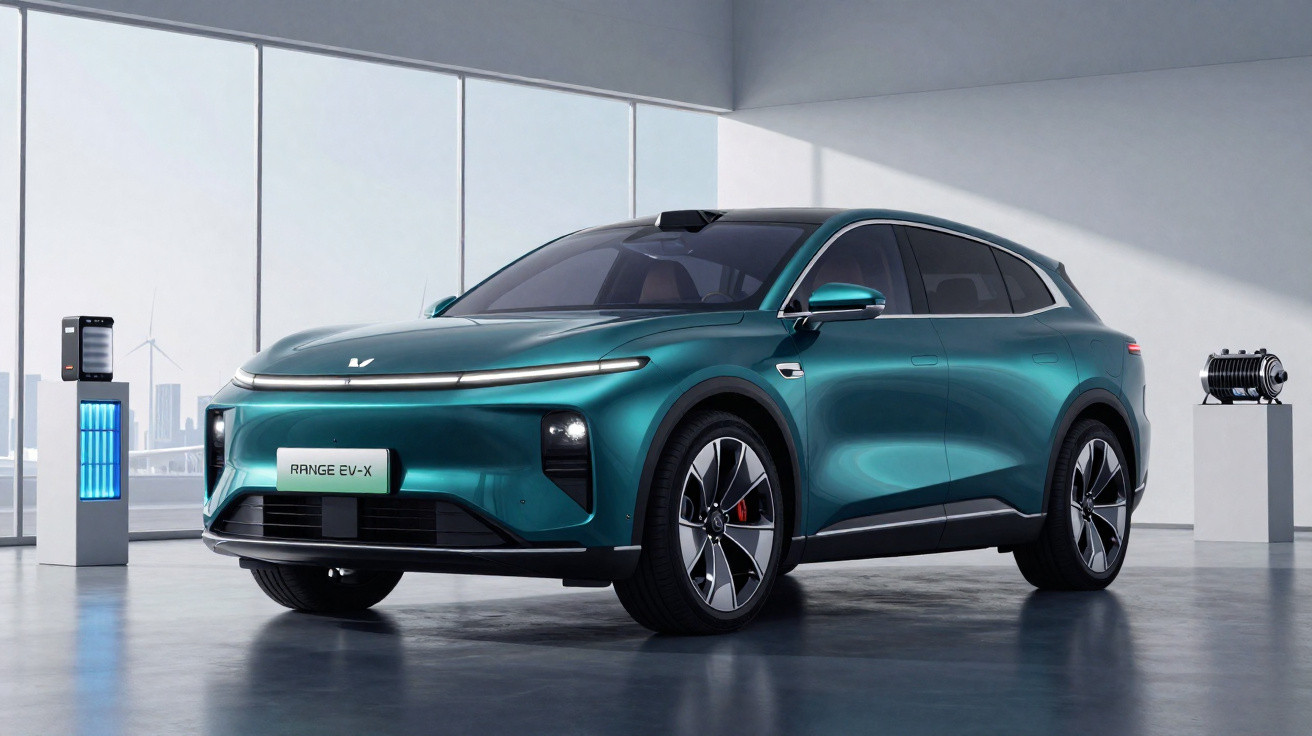
A powertrain idea that plenty of car enthusiasts had already filed away in the technology museum is suddenly back in the spotlight: electric cars with an additional combustion engine as a range back-up. The promise is compelling - long journeys without charging anxiety, while still using less fuel day to day. That blend is pushing the industry into motion again, and it is also triggering fierce debate.
What lies behind electric cars with a range extender
The engineering concept sounds straightforward, almost brilliant. In everyday use, a range-extender vehicle behaves like a pure electric car. The wheels are driven only by an electric motor powered by a battery. Only when that battery is depleted after roughly 150 to 300 kilometres does the combustion engine come into play.
Crucially, this engine does not power the wheels directly. Instead, it operates as a generator - effectively a small on-board power station. It produces electricity that replenishes the battery, allowing further legs of the trip without the driver having to hunt for a charging point.
"The idea: drive electrically until the battery is empty - and then keep trundling on without stress using petrol-generated electricity, rather than searching the sat-nav with sweaty hands for the next rapid charger."
In real-world terms, vehicles like this can manage ranges of up to around 1,500 kilometres with a full battery and a full tank. For long-distance drivers, that is a strong selling point because the classic nightmare of e-mobility - hours spent waiting at the only rapid charger for miles around - loses much of its sting.
Early attempts in Europe - and why they flopped
The technology is not brand new. Brands such as Fisker and BMW offered models based on this principle years ago, including the Fisker Karma and the BMW i3 with Range Extender. Even so, the big breakthrough never arrived.
There were several reasons for this:
- a steep price premium compared with standard electric cars
- complex engineering with two propulsion systems
- at the time, limited public charging infrastructure, but also less pressure to electrify
- confusing messaging: is it an electric car or a hybrid?
Many buyers did not really grasp the proposition, or they were reluctant to commit to what felt like an unusual drivetrain. As a result, these models remained niche.
China shows how the concept can go mainstream
In China, the picture today is completely different. Range-extender vehicles have reached very high volumes in a short period. In 2025 alone, industry figures suggest around 2.4 million units were sold.
What stands out in particular is that brands such as Li Auto have built their entire business model around this architecture - with considerable success. Large SUVs benefit especially. They are heavy, demand a lot of energy, and with a purely battery-electric set-up they struggle with high costs and limited range.
"A heavy SUV that runs electrically in day-to-day use, but on family holidays can top up calmly at a petrol station, fits perfectly into the Chinese market with long distances and a sometimes patchy charging infrastructure."
That is exactly what is making Western manufacturers uneasy. If China can demonstrate that millions of customers accept this technology, no-one wants to be left behind.
USA: pick-up fans demand a safety net
In North America, the idea meets a very specific type of vehicle: heavy pick-ups and large off-roaders that often operate in areas where rapid chargers are few and far between. The priority there is simple: the ability to keep moving, anytime and anywhere.
One example is the new brand Scout Motors, backed by Volkswagen. Demand appears huge: out of 160,000 reservations, 87 percent of customers are said to have explicitly chosen a version with a range extender. The message is unmistakable - most buyers are not ready to give up the combustion-engine safety net.
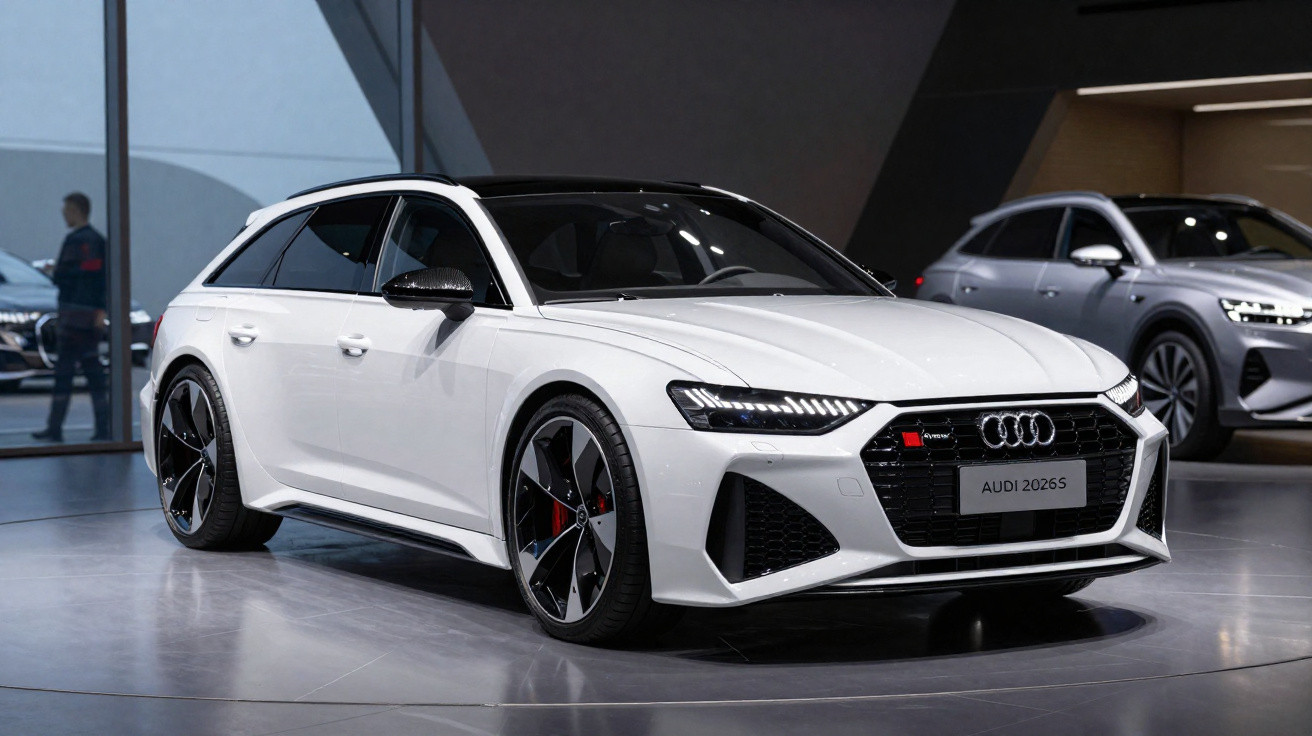
Established brands are also positioning themselves. Ford, Audi, Ram and Jeep are working on comparable concepts or have already announced them. The reasoning is practical: in regional markets without comprehensive rapid-charging coverage, a large 4×4 with an emergency back-up engine is far easier to sell than a pure EV.
Eco row: climate saviour or marketing trick?
As sales grow, so does the pushback. Environmental organisations warn of a green veneer for vehicles that, in practice, can burn far more fuel than brochure figures imply. Their argument: on paper the cars drive almost entirely electrically, but in everyday use the combustion engine is running much more often.
Transport & Environment analysed data from several best-selling range-extender models. Their conclusion: once the battery is empty, the vehicles consume an average of around 6.4 litres of fuel per 100 kilometres. That is broadly comparable to a conventional combustion car of the same size.
"Anyone who doesn’t consistently charge their range-extender EV ends up driving a heavy petrol car with a built-in excuse."
This is the crux of it: the concept is only even moderately climate-friendly if the owner reliably charges at home or at work and uses the combustion engine strictly as a back-up. If that does not happen, the supposed climate heroes become CO₂-heavyweights in daily driving.
Engineers divided: bridging solution or dead end?
Among engineers, the dual set-up sparks heated debate. Critics say that combining an electric motor with a combustion engine is too expensive, too complex and too heavy. Companies such as Mahle Powertrain consider it misguided to package two separate technologies under one body.
Their prediction: once rapid chargers are genuinely widespread and charging stops become significantly shorter, range extenders will fade from the market again. At that point, a larger battery - perhaps supported by more efficient software and lighter vehicles - will be enough.
On the other side are experts who point to driver convenience. Many people do not want to plan whether they will reach an available charger in two hours’ time. For them, the quick fuel stop remains essential - even if chargers theoretically exist everywhere.
Europe between regulation and reality
In Europe, the market is approaching the concept more cautiously. Some Chinese models are already arriving as imports into Germany and other EU countries. At the same time, established brands such as BMW, Volvo and Xpeng are developing their own solutions using similar technology.
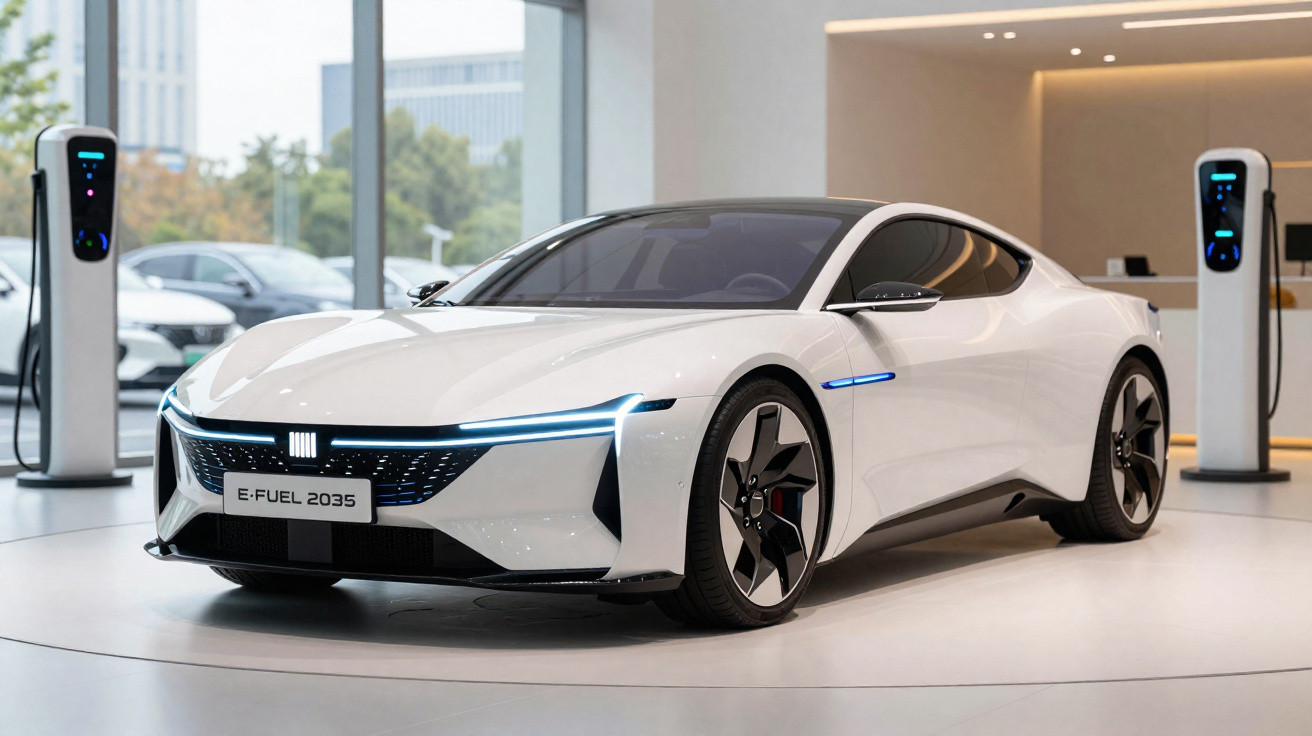
The backdrop is intense political pressure on the industry through timelines for phasing out combustion engines and tightening CO₂ limits. For many manufacturers, electric cars with range extenders look like a buffer - a way to raise the electric share while still bringing along customers who remain wary of a pure EV.
What drivers should know before buying
Anyone considering a vehicle like this should answer a few questions honestly. The real impact on both costs and the climate depends heavily on how you drive.
| Driving profile | Advantage of range extenders | Risk |
|---|---|---|
| daily commuting, rarely long distances | mostly electric driving, fuel tank only as emergency reserve | the added cost versus a pure EV may not pay off |
| frequent motorway trips, rural area | much less charging stress, full flexibility | high fuel share if charging is rare |
| changing work locations, routes that are hard to plan | reassurance where charging infrastructure is uncertain | more complicated technology, long-term maintenance unclear |
Rule of thumb: if you can reliably charge at home or via your employer and only occasionally travel long distances, you benefit most. If you never charge and regularly set off with an empty battery, you undermine the entire point of the system.
Terms you should know
A lot of abbreviations circulate around these vehicles. Three appear especially often:
- BEV: battery electric vehicle, drives purely on electricity, with no combustion engine on board.
- Plug-in hybrid: a combination of combustion engine and electric motor; both can drive the wheels.
- Range extender / EREV: the electric motor always drives the wheels; the combustion engine serves only as a power generator.
The distinction from a plug-in hybrid is a frequent source of confusion. With a range extender, the character remains clearly electric, even if a small engine is humming away in the background. In a conventional plug-in hybrid, by contrast, many journeys end up feeling much more like driving a normal combustion car with electric assistance.
Where this could be heading
The next few years will determine whether the range extender remains a temporary compromise or secures a lasting niche. It is plausible that the concept survives mainly in specific segments: large SUVs, pick-ups, motorhomes, and vehicles used in sparsely populated regions.
Another key factor will be how the combustion engine itself evolves. Some manufacturers are working on small-displacement, highly efficient engines designed solely for generator duty. They run within a very narrow rev range, which can reduce consumption. These specialised units could cut the harmful climate impact and make the concept more appealing.
Ultimately, users care less about the hardware than the experience: how often do I need to charge, how often do I need to refuel, and what does it really cost per 100 kilometres? Anyone who answers those questions honestly - without flattering their own driving habits - may find that an electric car with a range extender can be a practical bridge between the old and the new car world, with all the opportunities and risks that come with that balancing act.

Comments
No comments yet. Be the first to comment!
Leave a Comment