
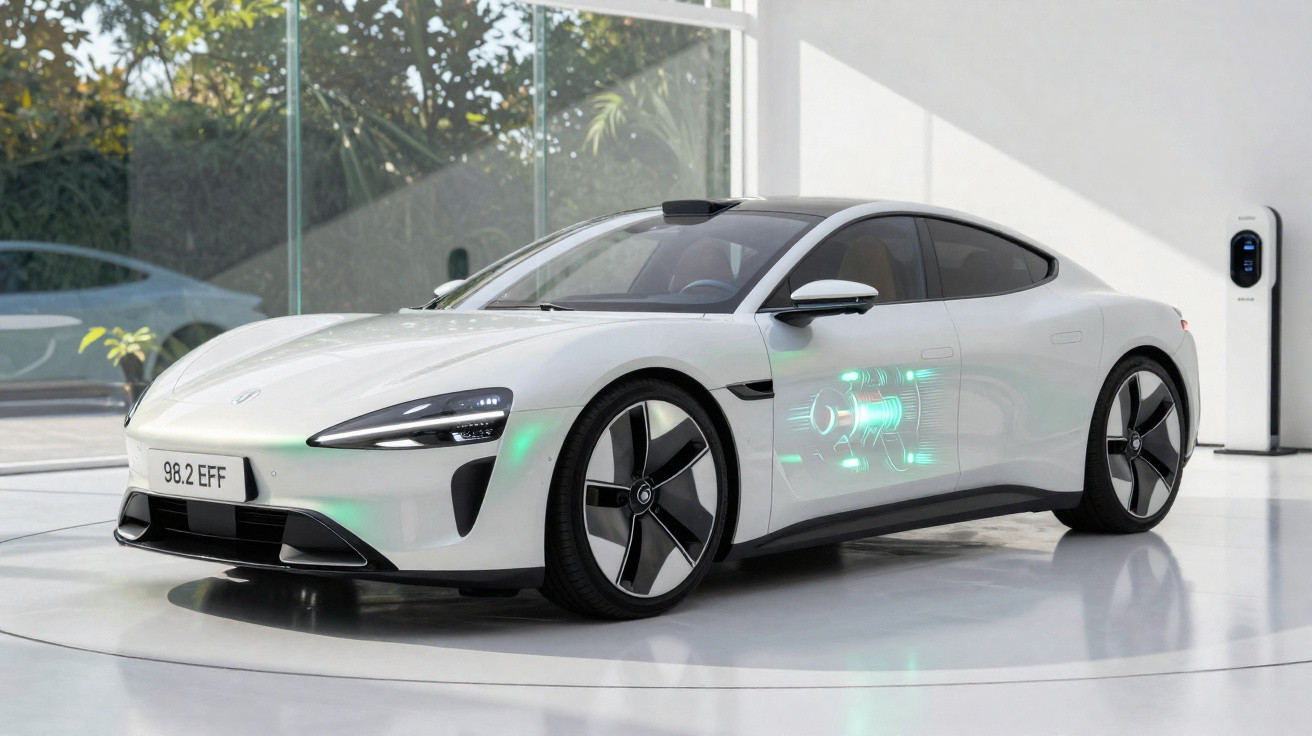
A joint venture between the two groups has produced an electric motor claimed to reach an overall efficiency of 98.2%. The engineering is aimed primarily at hybrid vehicles and range-extender set-ups, and it could push the car industry’s efficiency race into a fresh phase.
Why Renault and Geely are pushing ahead on powertrains
For a long time, Japanese and European manufacturers set the pace with frugal drivetrains. Over recent months, Chinese groups have stepped up the pressure: Dongfeng has reported an internal-combustion engine close to 50% efficiency, Changan has followed suit, and BYD has showcased its own highly efficient electric motors. It is against this backdrop that Horse-the powertrain company created jointly by Renault and Geely-is now staking its claim.
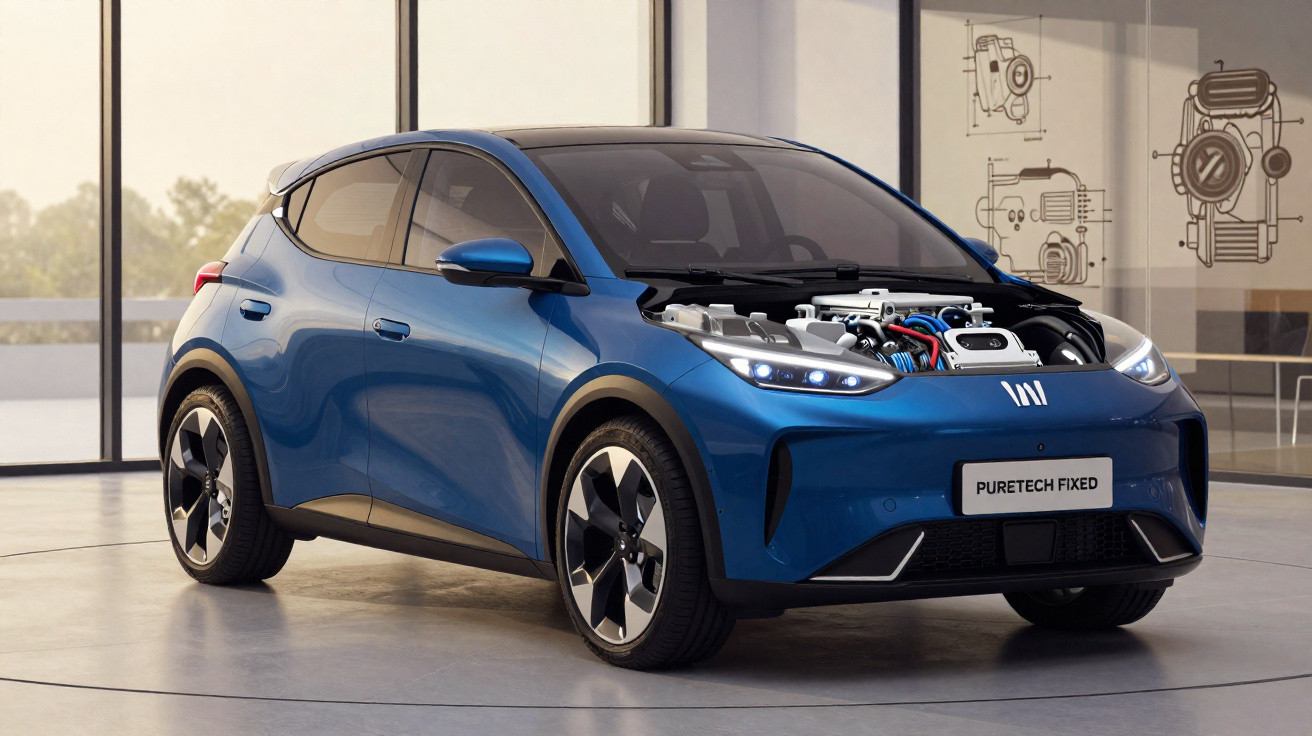
Horse is where the new electric motor was developed, internally referred to as “Amorfo”. The key innovation is not something you can see on the outside; it sits at the heart of the machine, in the stator-the stationary part of an electric motor where the magnetic field is generated.
"The motor uses a novel amorphous steel in the stator and is intended to halve internal losses – with a stated overall efficiency of 98.2%."
With that, Horse is targeting one of the few areas where electric motors still have meaningful headroom: tiny but constant losses arising within the material itself.
Steel thinner than a hair: what’s behind the materials trick
Typically, stators are built from thin laminations made from crystalline electrical steel. These sheets limit eddy currents that form in metal under changing magnetic fields and dissipate energy as heat. With the new motor, Horse goes further-in two ways at once:
- The stator uses an amorphous steel with a disordered atomic structure.
- The stator laminations are only 0.025 millimetres thick-around ten times thinner than is usual.
That extreme thinness cuts eddy currents in the metal, while the amorphous structure reduces magnetic losses further. The intention is straightforward: less waste heat and more usable drive power from the same electrical input.
Horse says internal motor losses are reduced by 50%. From an electrical engineering perspective, that is credible: the finer the lamination stack, and the more readily it can be demagnetised, the lower the so-called iron losses. For drivers, the benefit is unlikely to show up as a higher peak output, but rather as a small gain in range and lower energy use.
Power and torque: designed for modern hybrids
This motor is not pitched at pure sports cars, but instead at everyday vehicles with electric assistance. The headline figures are:
| Parameter | Value |
|---|---|
| Maximum power | 190 PS |
| Maximum torque | 360 Nm |
| Stated overall efficiency | 98.2 % |
On those numbers, it suits compact and mid-size plug-in hybrids, as well as range-extender vehicles where a small combustion engine acts only as a generator. With 190 PS and 360 Newton metres of torque, it sits in the band of current electric drives; the leap is clearly about efficiency rather than outright shove.
What does 98.2% efficiency mean in practice?
Modern electric motors are already considered highly efficient. In realistic operating conditions, many units are already in the 93 to 97% range. Moving up to a maximum of 98.2% can sound modest at first glance. For engineers, however, the last few tenths are typically the hardest to win, because losses only fall in very small steps.
"Horse expects that around one percent of energy can be saved across the complete hybrid system with the new motor – based on real-world consumption."
One per cent can look almost trivial. But when you scale it across millions of vehicles and years of use, it adds up to a vast amount of energy that no longer has to come from the grid or the fuel tank. Fleet operators, commuters, and manufacturers working towards CO₂ targets increasingly pay attention to exactly these incremental gains.
Lab figures versus everyday reality
Despite the impressive headline numbers, there is an open question: so far, all figures come from Horse itself and are based on bench testing. Real vehicles introduce temperature swings, part-load running, frequent acceleration and braking, and material ageing. In practice, the actual efficiency in the car typically drops slightly compared with laboratory claims.
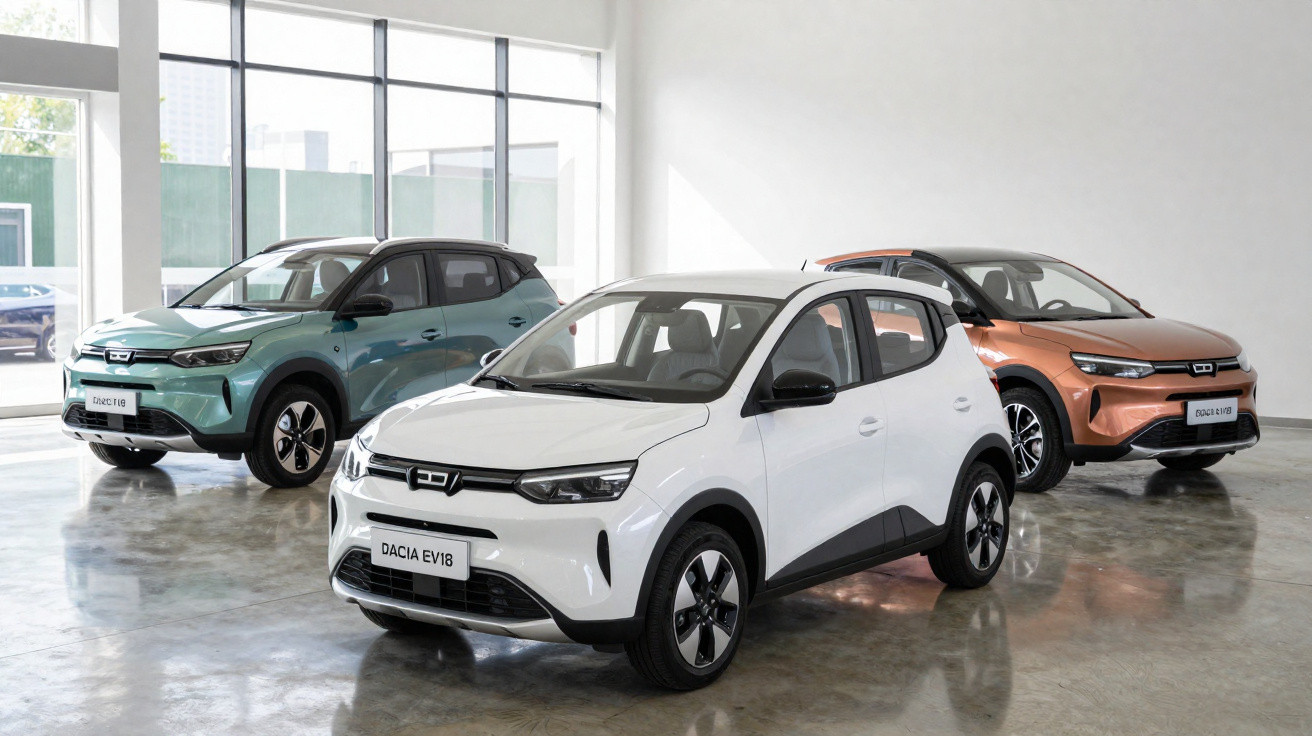
Horse has also not said which production model will be first to use the motor, nor when that will happen. What is clear is that the unit is listed in the joint venture’s catalogue and can be sourced by brands across the Renault and Geely sphere-such as Renault itself, Dacia, and also Volvo or other marques within the Chinese group.
Why one percent less consumption still matters
At system level-meaning the combined effect of power electronics, battery, and the combustion engine in a hybrid-Horse is talking about roughly a 1% consumption advantage. That may sound small, but it is significant for several reasons:
- Manufacturers fight for every gram of CO₂ in fleet averages.
- Hybrid vehicles are often kept for many years and cover high mileages.
- Efficiency gains across millions of vehicles add up to noticeable reductions in energy demand.
- Better efficiency reduces the burden on cooling systems and can allow smaller components.
In many markets, tough consumption and emissions rules will determine whether manufacturers face penalties running into the billions. Even minor drivetrain improvements help keep within those limits-or create a little breathing space.
Technology in detail: amorphous steel in cars
Amorphous metals are not entirely new in industry. They are familiar from grid transformers and from high-precision components in electronics. In automotive manufacturing, though, they have appeared only occasionally-usually because of cost and the complexity of processing.
Amorphous steel is created when molten metal is cooled so rapidly that a normal crystal lattice cannot form. The atoms effectively “freeze” into a disordered arrangement. That tends to bring:
- lower magnetic losses,
- high hardness and wear resistance,
- unusual behaviour under load and temperature changes.
For an electric motor, the magnetic side is what matters most: the less energy that gets trapped in the steel as heat, the more power reaches the drive shaft. The sticking point is making 0.025 millimetre laminations at industrial volumes-and doing so at acceptable cost.
What this means for future electric and hybrid cars
The new motor underlines where the industry is heading. After years in which battery chemistry and cell production dominated attention, focus is shifting back towards the drive unit itself. Manufacturers are trying to claw back a few percentage points everywhere: motor, inverter, gearbox, cooling, and software control.
For motorists over the next few years, that could translate into:
- slightly longer ranges with the same battery capacity,
- lower consumption figures for plug-in hybrids,
- more compact drivetrains with the same or higher output,
- potentially less reliance on rare magnet materials, if new designs reduce their use.
The crucial question is how well amorphous steels can be delivered within the cost envelope of a mass-market manufacturer. If production remains manageable and suppliers can scale, similar approaches could appear not only in expensive flagship models but also in higher-volume segments.
What testers and buyers should watch for now
Once the first production cars using the new motor reach the road, independent measurements will show how much of the claimed 98.2% remains under real conditions. Test labs and specialist publications will focus in particular on:
- consumption on typical commuting routes and motorway journeys,
- efficiency at part load, not just at the ideal operating point,
- thermal stability during extended full-load running,
- noise and vibration characteristics linked to the new material,
- ageing effects after high mileages.
For buyers, it will be worth looking at official consumption figures and realistic tests, rather than relying solely on brochure lab numbers. Anyone driving large annual mileages, or spending a lot of time in electric mode, stands to benefit most from every percentage point of efficiency-even if the improvement feels understated day to day.

Comments
No comments yet. Be the first to comment!
Leave a Comment