
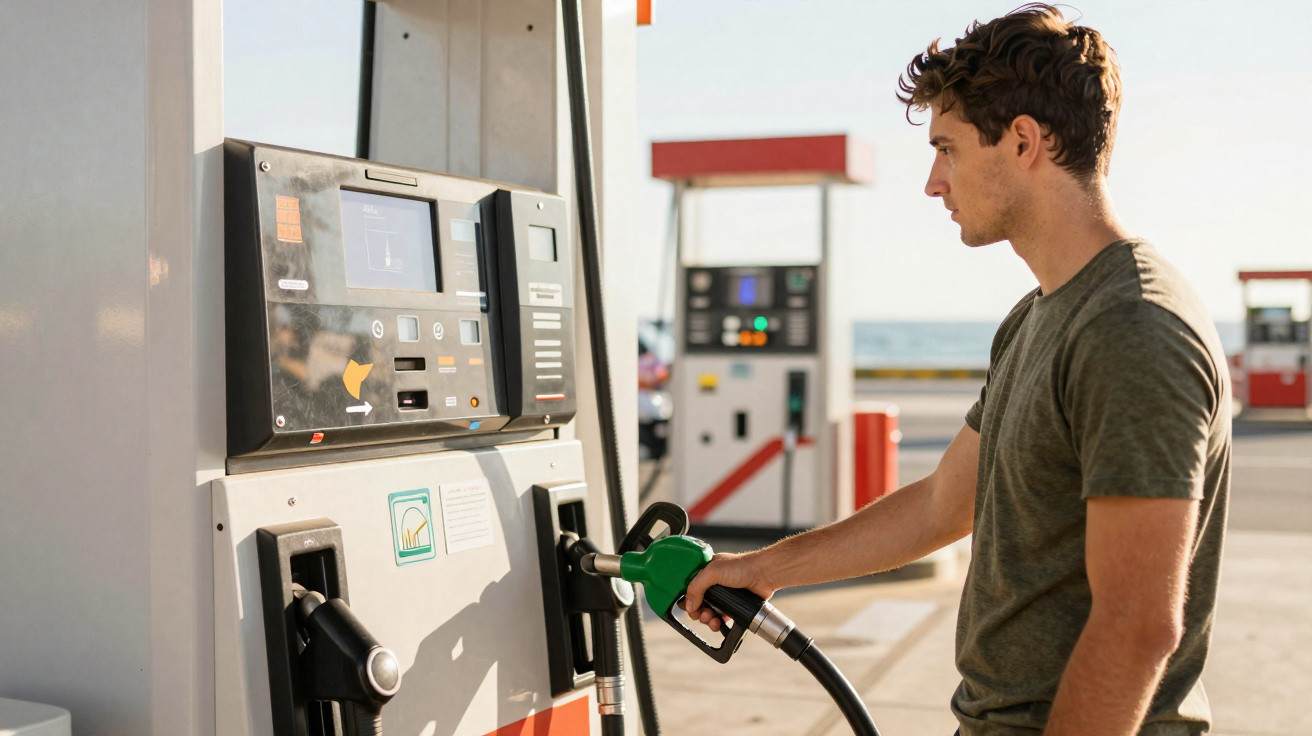
Whenever the price of petrol or diesel rises, it is easy to pin the blame on a single culprit: either the government, the price of crude oil, or the profit margins of the fuel retailers.
In practice, it is a bit more complicated. The final amount we pay - and we can all agree it is very high - is the result of several components added together.
The State’s share: taxes and legal obligations
The largest slice is still set by the State: it accounts for more than 60% of what consumers pay. This comes not only from taxes such as ISP (Tax on Petroleum and Energy Products) and VAT, but also from legal requirements, including the blending of biofuels. This year, the minimum biofuel incorporation rate set by the State is 13%, in line with European decarbonisation targets.
ENSE and the reference price
To understand what else goes into fuel pricing, we can look to the National Entity for the Energy Sector (ENSE). ENSE calculates and publishes a daily reference price, which serves as a baseline for the amounts applied before the retail stage, and it also breaks down the total price into the different parts that make it up.
All the factors
Beyond taxes and biofuels, the other major component influencing fuel prices is the raw material itself - in other words, the international quotation of petroleum-derived products.
That quotation changes every day for many reasons, including seasonality (diesel tends to become more expensive in winter because it is used for heating, for example), production quotas, logistical disruption, or even conflicts affecting producer countries.
Another important factor is the cost of transporting these products to Portugal. Together with the international quotation, these are the second-largest share of the total price of fuels - after taxes - and they are also the main drivers behind falls/rises in the final pump price.
There are also marginal costs linked to maintaining strategic fuel reserves, which are managed by ENSE itself. These reserves are mandatory for energy security, and the cost of managing and storing them is also reflected in the price we pay at the pump.
The same applies to the logistics operations required to unload, temporarily store, and prepare fuels for distribution.
Finally, there are the marketers’ margins. For all the attention they receive, they represent a share of around 10% (net margin) of the total price (Source: DECO).
This figure covers distribution expenses after storage, as well as operators’ running costs, and it varies from one distributor to another. This component is not included in ENSE’s reference price calculation.
At the time this article was published, government measures introduced in 2022 (with the start of the invasion of Ukraine) to soften fuel price increases were still in place, mainly affecting the value of ISP. This means that, although fuel prices remain high, they could be much higher.






Comments
No comments yet. Be the first to comment!
Leave a Comment