
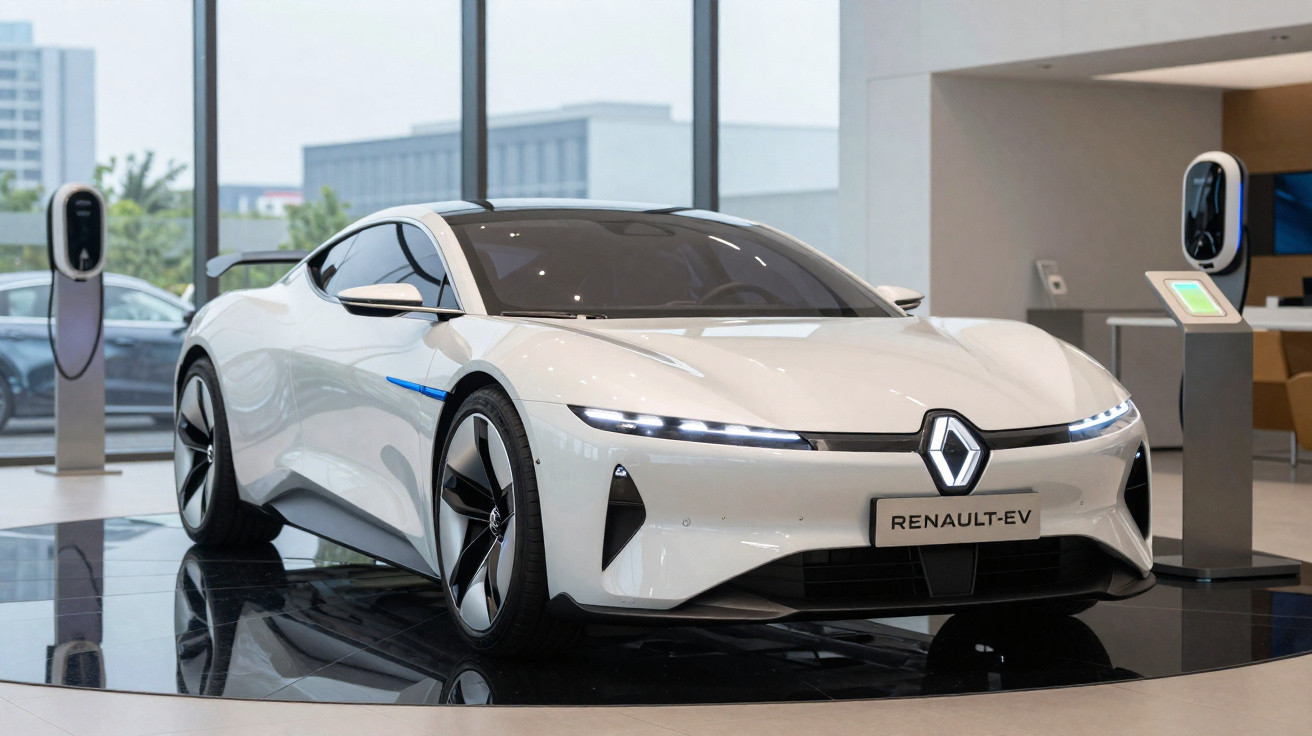
The Renault Group has put forward an alternative proposal aimed at bringing down the price of electric cars in the European Union (EU). Rather than introducing a brand-new category designed specifically for small, low-cost electric vehicles - as backed by the European Commission (EC) - the French carmaker argues for a simpler approach: freeze today’s rules for the smallest models.
In September, the EC said it intended to create a new category for a European electric “people’s car”, drawing inspiration from Japan’s kei car.
Under that idea, these vehicles could drop some of the currently mandatory safety and technology equipment, making them easier to build and cheaper to produce. The aim is straightforward: make the electric car affordable for millions of Europeans without undermining sustainability. Further details are expected on 10 December, a date flagged by European Commissioner Stéphane Séjourné.
Renault Group offers a different solution
A temporary pause on new rules for small cars
The Renault Group, however, is advocating a different route: temporarily hold back the introduction of additional regulations for city cars and small utility vehicles. This, it says, would give manufacturers room to refine existing models, reduce manufacturing costs and, as a result, bring prices down.
“I'm not asking for the removal of regulations. I'm only asking for a period of 10 or 15 years without new regulations,” said François Provost, the Group’s chief executive. “At the moment, Europe is planning to implement 107 new regulations for the sector by 2030,” he added.
According to the executive, the steady roll-out of new standards forces carmakers to keep revisiting vehicle development, pushing up costs and delaying programmes.
Provost believes a regulatory pause would let brands optimise what is already on sale, lower production costs and ultimately cut the price paid by customers. “We can spend time improving the cars that are currently on the market and reduce costs, (which means) a lower price for the customer,” he added.
What a European electric “people’s car” should look like
In his view, the future European “people’s car” should be under 4.1 m long, have a lifecycle carbon footprint below 15 tonnes of CO₂ and be built with a strong level of local content.
Fabrice Cambolive, chief executive of the Renault brand, shares the same outlook: “What matters is helping us make the car more affordable. To do that, there are two solutions: either you create a new category, with fewer restrictions, fewer features, fewer ADAS and so on, or you freeze the regulation.”
A market in decline
Rising car prices in recent years - largely driven by the need to meet EU requirements - have weighed on demand. Across Europe, sales remain around two million units below pre-pandemic levels, according to industry data. That situation is causing concern for both manufacturers and governments.

Comments
No comments yet. Be the first to comment!
Leave a Comment