
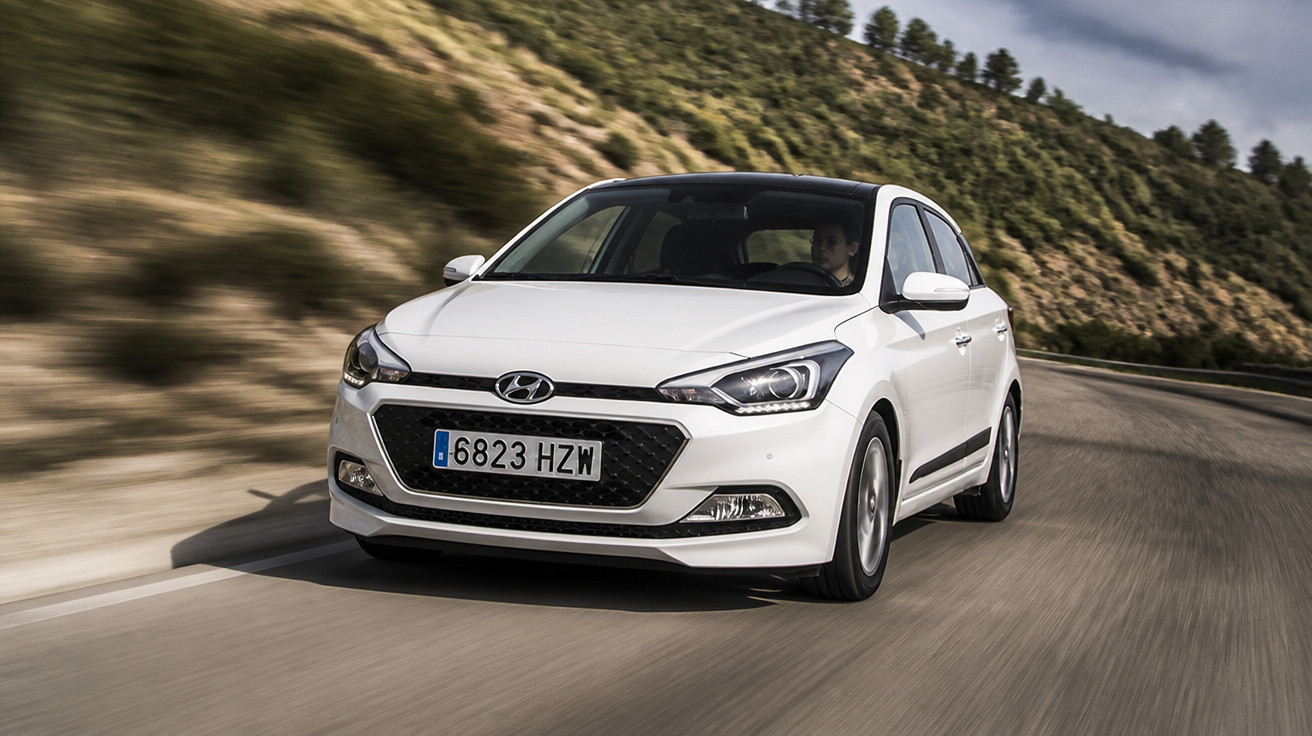
A new Hyundai i20 arrives
Hyundai’s shift from selling cheap, forgettable cars to turning out credible European rivals is gathering pace. The latest proof is the new i20: a second-generation Hyundai supermini that’s positioned as a more convincing, more mature offering than the model it replaces.
Hyundai’s chief designer, Thomas Bürkle, puts the brief plainly: "We wanted to make a small car that's quality, and chosen by those who don't want a big car, not those who can't afford one," he tells us. In other words, chasing the lowest possible list price is no longer the overriding goal. This i20 is aiming directly at the Polo.
Can it really take on the Polo?
It can, and its cabin is a big part of that. The interior feels notably grown-up: the seats remain comfortable over longer trips, the trim materials are agreeable, and the driving position and controls are very nearly spot-on. One obvious drawback is that a touchscreen isn’t standard, which leaves it trailing several competitors in today’s market. Still, it’s not an especially thrilling place to sit-though, to be fair, neither is the Polo.
Equipment levels are respectable. The mid-range SE comes with parking sensors and lane departure warnings, and higher trims add larger-car touches such as a heated steering wheel and a panoramic sunroof. The overall impression is of a supermini that’s trying hard to feel mature.
Is the Hyundai i20 fun to drive?
Not particularly. On the road, comfort and user-friendliness are clearly the priorities. The suspension is tuned on the soft side and the handling errs towards safe, predictable balance. Even so, the i20 deserves credit for tidy body control and steering that’s weighted nicely.
What it doesn’t have is the spark you get from a Fiesta; that sense of feistiness is missing here.
Engines: petrol and diesel options
At launch, the line-up includes three four-cylinder petrol engines-a 1.2 offered in 74 and 83bhp forms, plus a 99bhp 1.4-and two diesels: a 74bhp 1.1 and an 89bhp 1.4. Hyundai expects 85 per cent of buyers to choose petrol, and right now the most powerful option is the one we’d point you towards.
Even then, it isn’t quick. With just shy of 99bhp and a little over a tonne to move, it feels like it’s working hard. To get the best from it you’ll need to use the rev range, and in an era where small turbocharged petrol engines are becoming de rigueur, it comes across as a bit breathless and rough-edged.
Better news is on the way: next year brings a 1-litre turbo triple, available with 100bhp and 120bhp outputs. We’ve not driven it yet, but it looks very likely to become the pick of the range.
Among the diesels, the 1.1 is the most interesting. That’s not because it’s brisk-0-62mph takes 16 seconds-but because its efficiency figures are striking: 88.3mpg and 84g/km. Once you’re finally at speed it’s more refined and civilised than you might expect, though around town it’s punchy enough but can sound vocal in slow, congested traffic.
Design and value
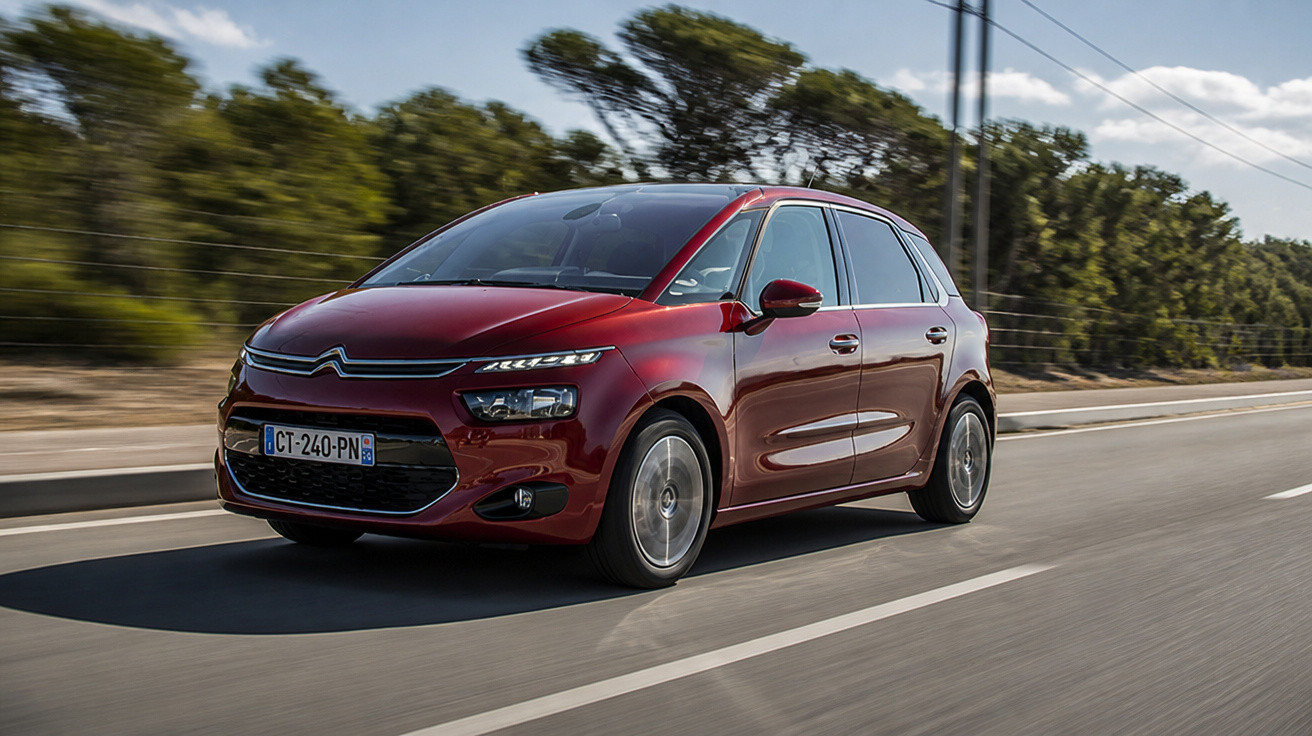
Designed entirely in Europe, the i20 has a smart look and appears less top-heavy than the previous car. It also seems to draw on plenty of influences-its rear three-quarter view, for example, brings to mind a Citroen C4 (whether by chance or not). Either way, it’s difficult to argue that it isn’t a step forward from earlier efforts.
Pricing has moved closer than ever to the Polo. In SE trim, it undercuts the VW by about £1000 and includes a touch more kit, but the difference isn’t large enough to buy the i20 purely as a money-saving choice. Even so, it underlines how far Hyundai has progressed on perceived quality.
If there’s a key weakness, it’s the i20’s lack of fire. It’s an eminently sensible car with plenty going for it, but keen drivers will need to look elsewhere-namely the Fiesta. If lively engines and sharp, feisty handling aren’t priorities, however, there’s little reason to dismiss it.
Comments
No comments yet. Be the first to comment!
Leave a Comment